Having been on the road for over 5 weeks, we decided to make the 701 mile trip from Cincinnati to home in one day. The weather was perfect for driving, with warm weather and partial sunny skies. We set out on our drive through Ohio into West Virginia. The landscape changed from the rolling farmland of the Ohio River valley to the rugged Appalachian Mountains and mining towns of West Virginia. We stopped for a picnic lunch at a rest stop east of Beckley WV. We were surprised that the weather was so warm in the mountains – 84 degrees.
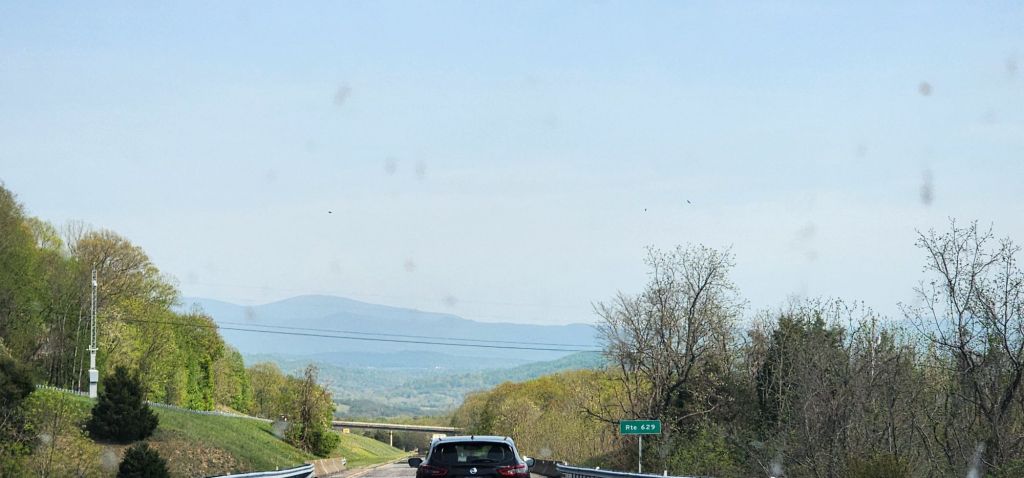
As we continued East, we exited the Appalachian mountains and entered Virginia. Crossing Virginia, we crossed the Blue Ridge mountains and on to Richmond and the coastal plains, all familiar territory for us. After a long day of driving we arrived home to the Outer Banks of North Carolina just after 9pm. Home at last. The next day we had our feet in the sand.
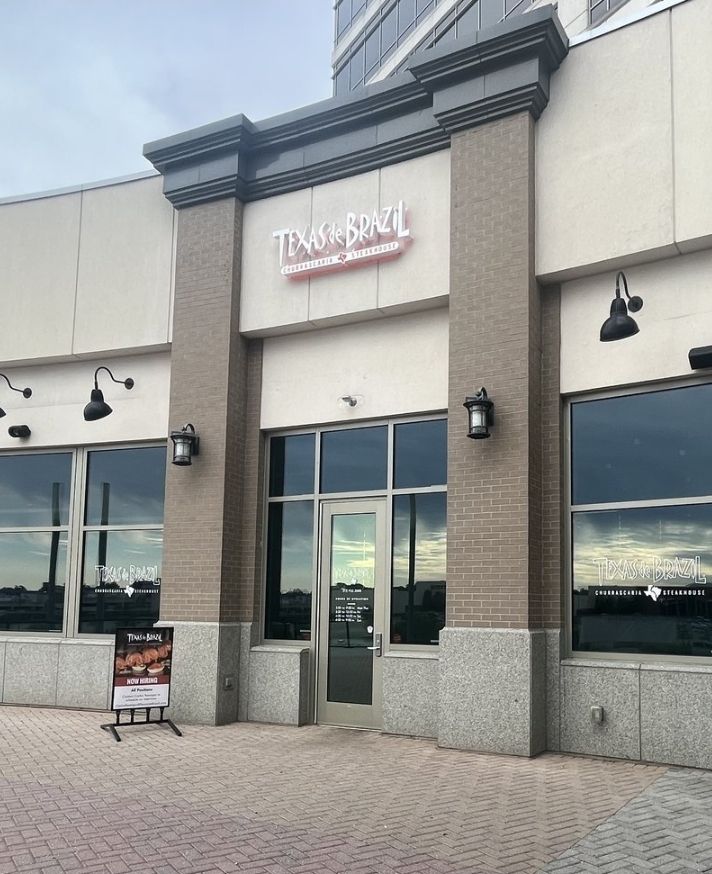
After a long and busy Sunday we took an easy drive from Merrillville IN to Cincinnati OH to visit with my second oldest, Astrid, and our grandchildren, Ash, Killian, and James. After seeing their new home and talking for a while, we went to dinner at Texas de Brazil. Killian had seen it several times on the way to school and was curious to try it, so we took them there for dinner. Killian was surprised at the way a Brazilian steakhouse operates. Killian asked her mother if she could do the ordering and we said “they don’t take your order; they just keep bringing food to the table – you eat what you want and decline what you don”t.”. Killian’s response – “that sounds stressful”. However, they all enjoyed the experience and loved the food.
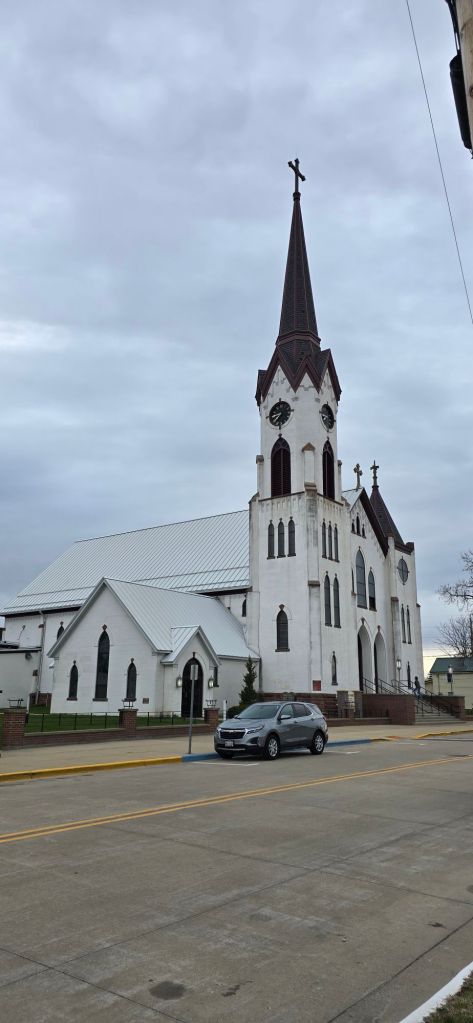
We woke up early Sunday morning to get to an early Mass and continue our drive East. We went to Mass at Saint Patrick’s Parish in Mauston WI which was on our route. A beautiful church build in the 1850s.
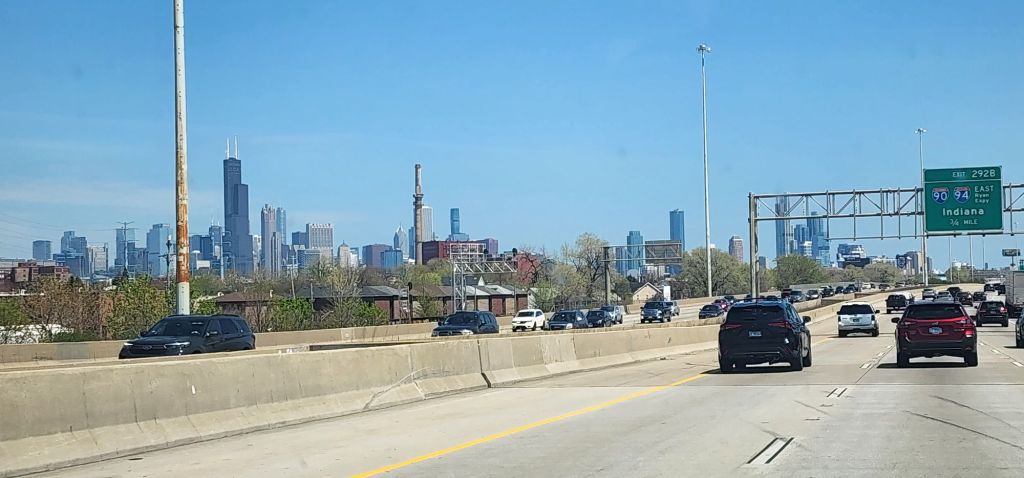
Following Mass we resumed our drive from Wisconsin to Chicago through the rolling hills and farmland. It is always amazing to see the contrast of landscape and traffic when crossing the Mississippi and it seems no different in what state you cross. West of the Mississippi is typically flat or low,rolling hills with few towns. low density of population and traffic, and expansive open ranges and farms. East of the Mississippi the land immediately fills with more hills and many more trees, more towns and large cities with higher population density and heavier traffic. It is quite a contrast. This was particularly noticeable approaching Chicago.
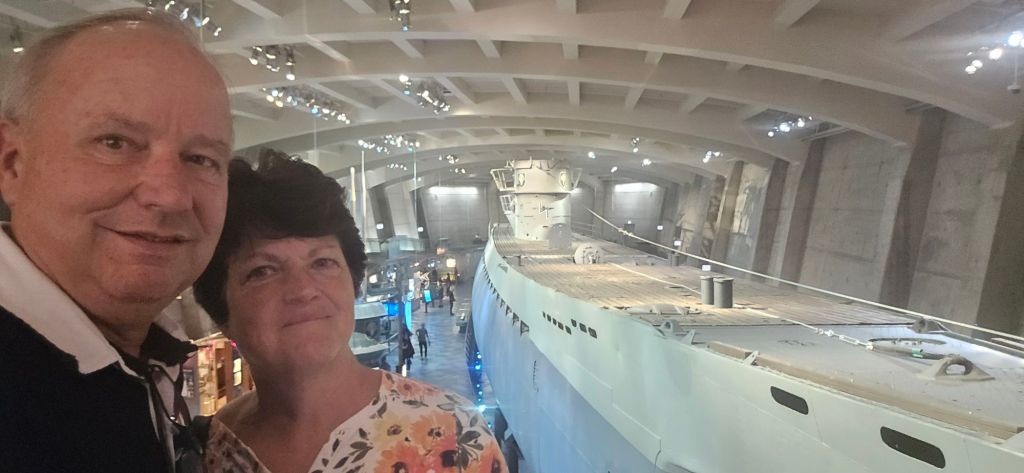
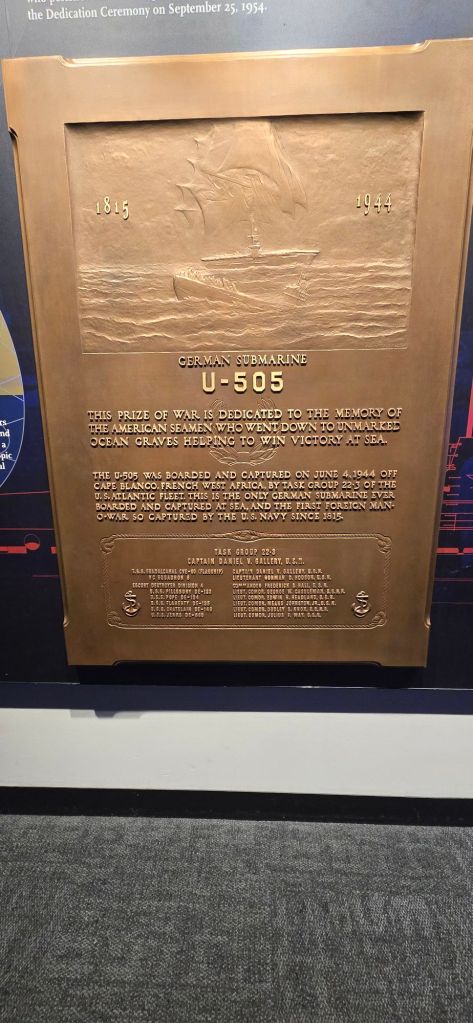
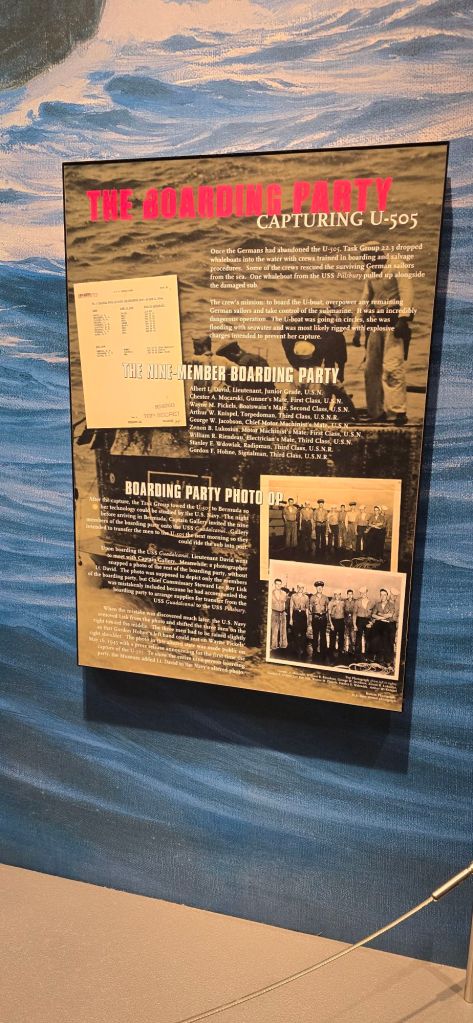
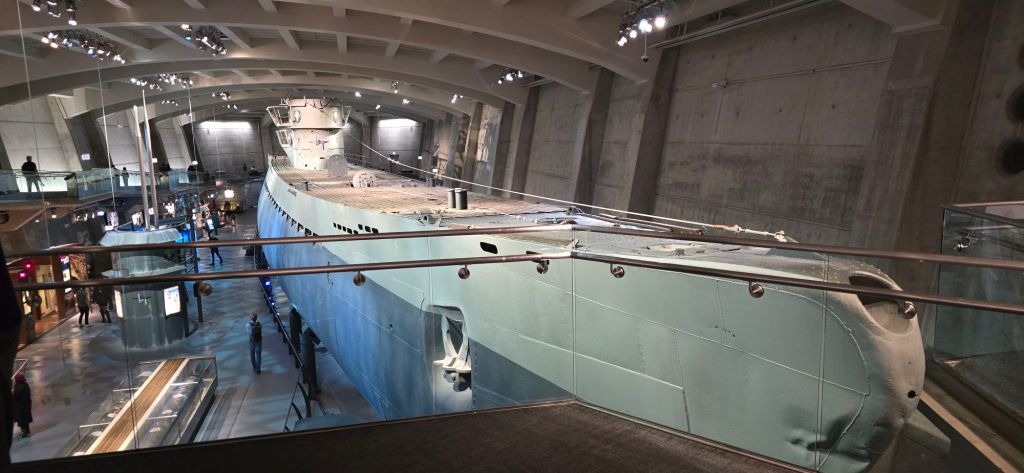
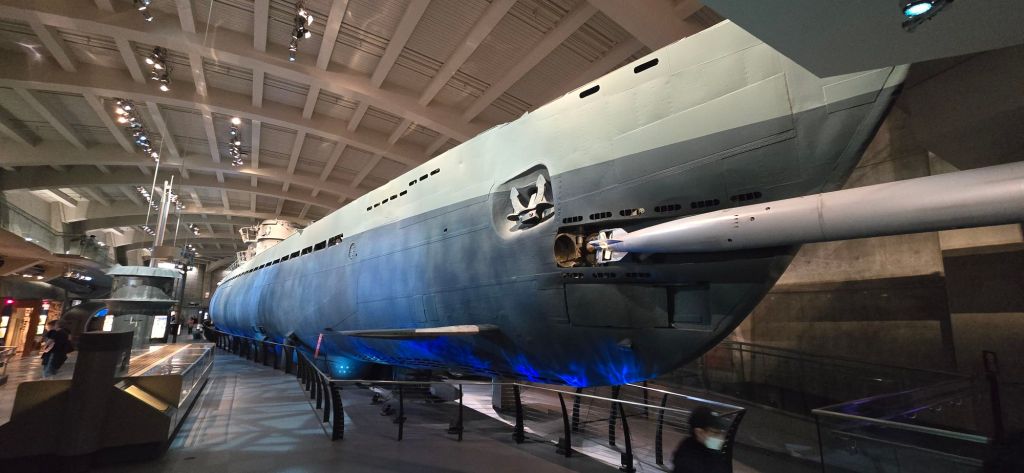
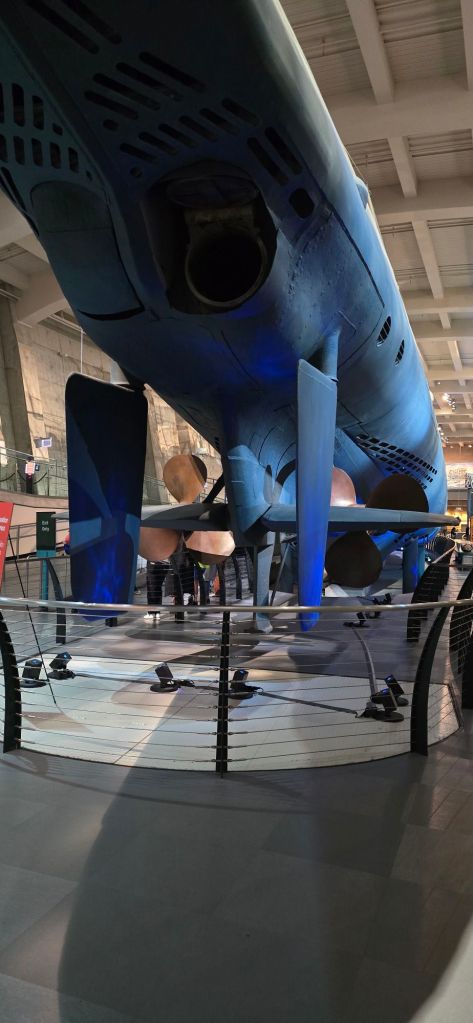
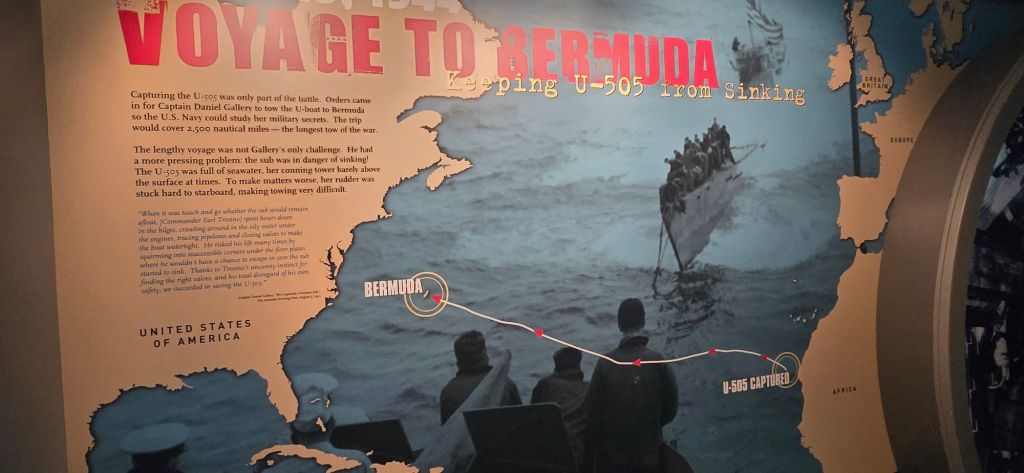
We were headed to the Museum of Science and Industry in Chicago for a specific reason – it is the site of the captured WWII German submarine U-505. German submarines sank 2700 merchant ships in the Atlantic, hundreds of them right off the East Coast of the United States during WWII. The US Navy was not prepared for the U-Boat attacks so close to our shore and had no ships, few men, and no plan to counter these attacks that began right after Pearl Harbor. It took over a year for the US Navy to develop a counter to the U boat threat, but when they did, one officer, CAPT Dan Gallery, devised a daring plan to capture a U boat before the crew could scuttle it following an attack that required them to abandon ship. This required sending a boarding party to the sinking sub after the crew abandoned it, boarding the sub and securing any sea openings to stop the flooding, and find and dismantle any scuttling explosives or booby traps that may have been left behind. CAPT Gallery was the Task Force Commander and on June 4th, 1944 (two days before D-Day in Normandy) the task force succeeded in forcing the U-505 to surface and be abandoned, then succeeded in capturing it and keeping it afloat. The whole operation was kept classified TOP SECRET in the belief that, if the Germans knew the US had captured the ship with its code books and cypher machine then they would have changed their codes.
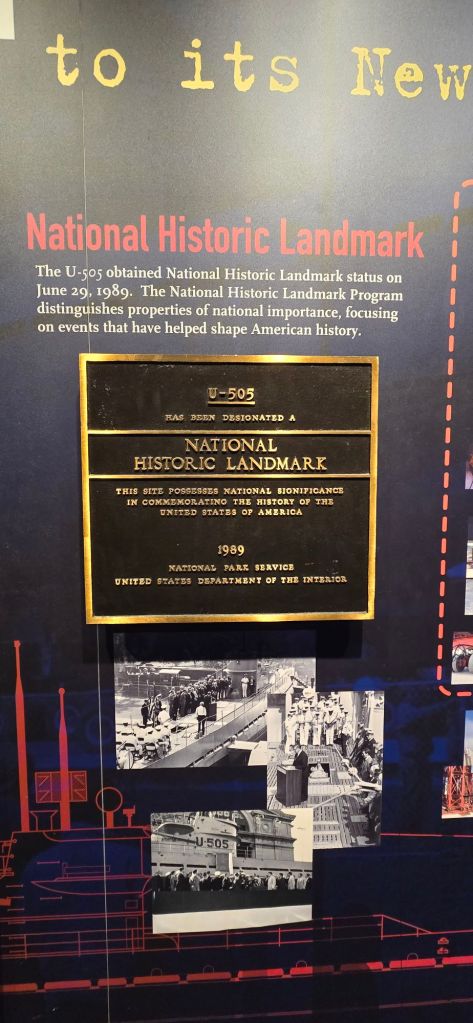
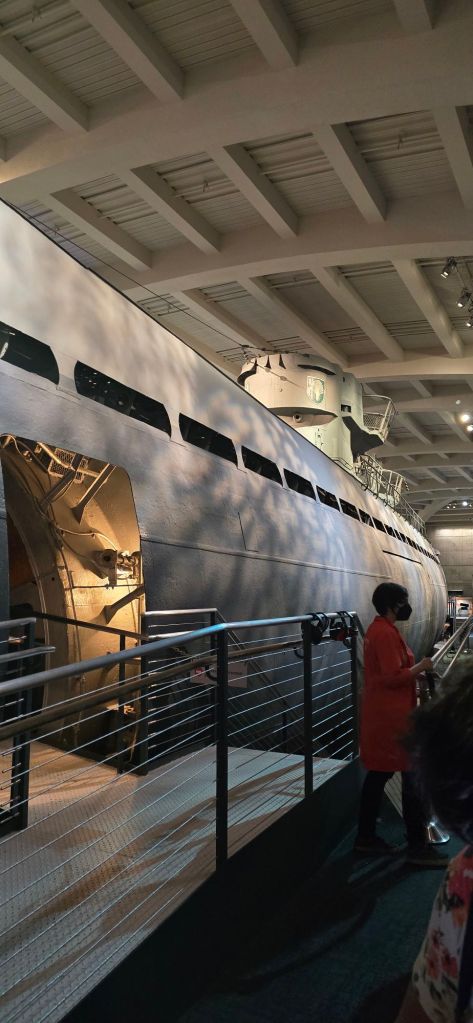
After the war ended, the US Navy planned to use the U-505 for target practice and sink her, but CAPT Gallery intervened and, with the assistance of the Chicago Museum of Science and Industry, convinced the Navy to preserve it at the museum. Thus this museum in Chicago holds the actual captured U-505. restored to its original configuration and now classified as a National Historic Landmark.
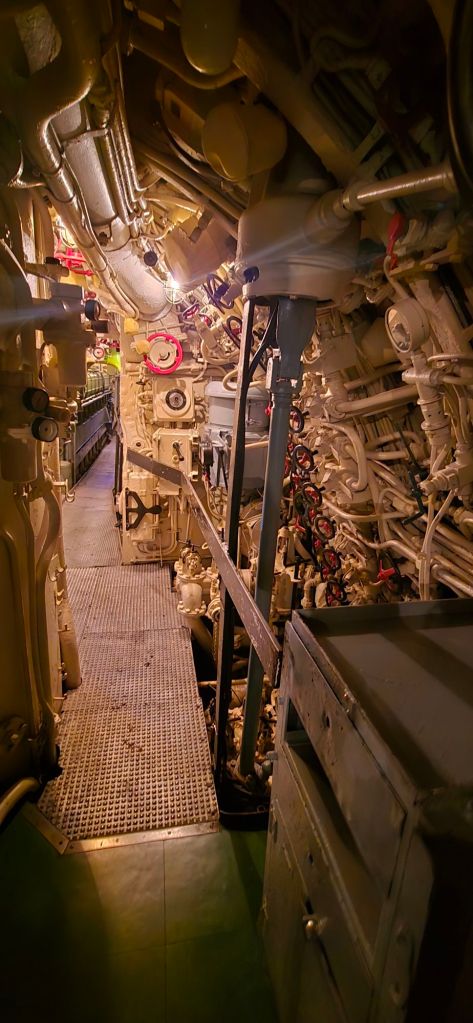
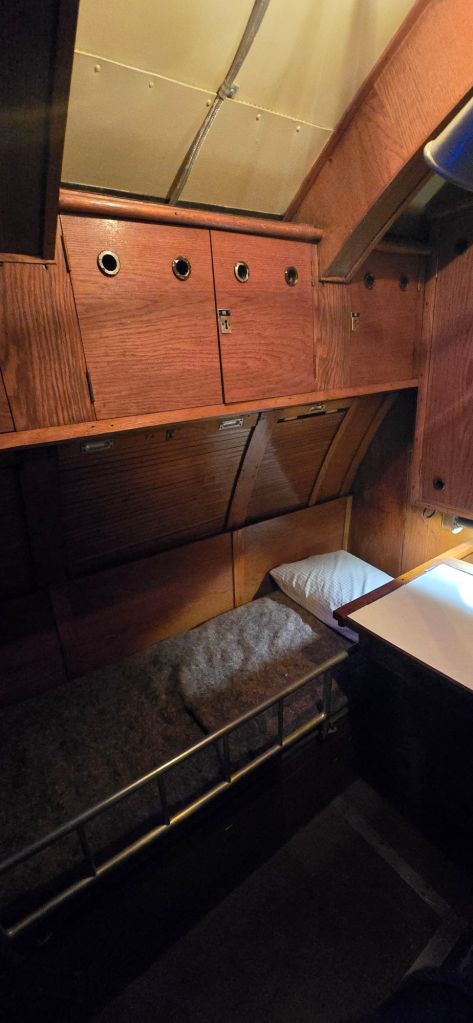
The U-505 exhibit is open to any visitor, but to tour the interior requires an additional ticket with timed entry. It is recommended that you get tickets on line to ensure you have a spot because the number of visitors on the tour is limited due to space limits (after all, it is a submarine). The tour is definitely worth the ticket – with exceptions for allowing access the interior has been restored to it’s WWII appearance using German design prints and documents for accuracy. As a submarine veteran I found it fascinating.
We saw several other exhibits in the museum, but nothing as exceptional as an actual German submarine from WWII that actually fought in the war and was captured and towed 2500 miles across the Atlantic in secrecy.
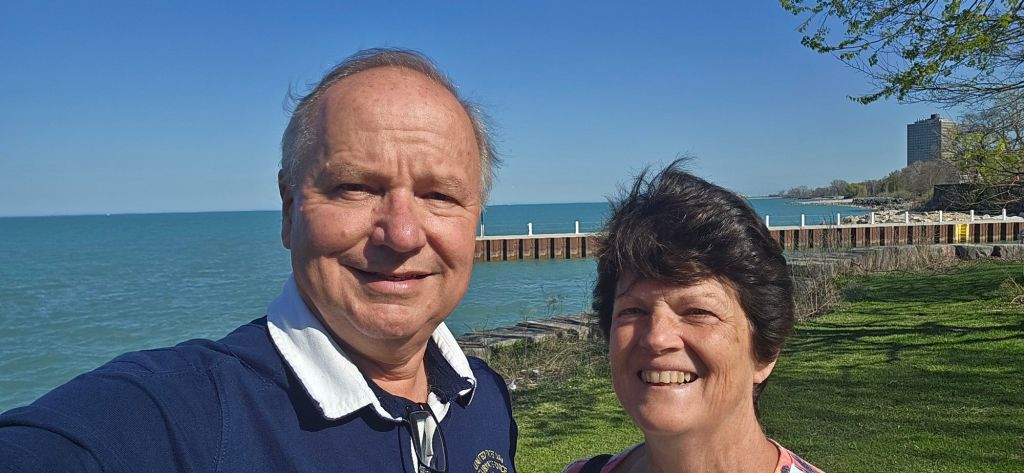
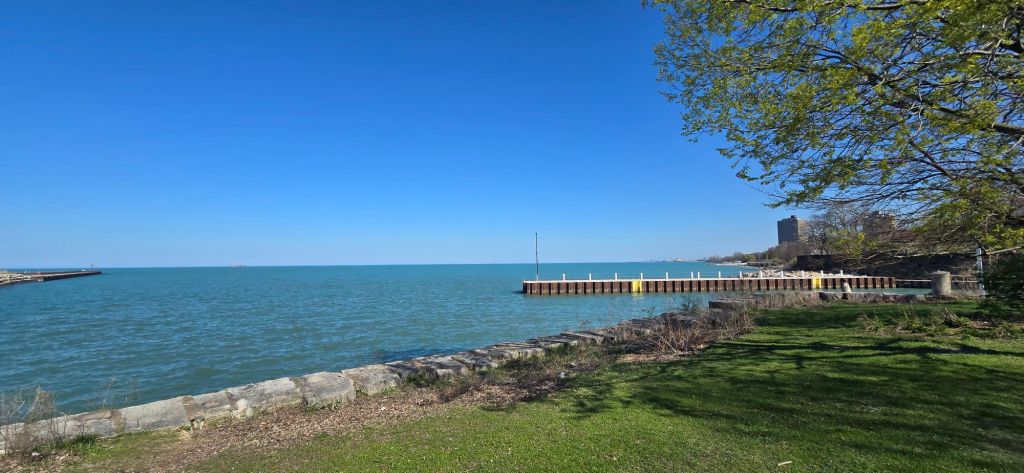
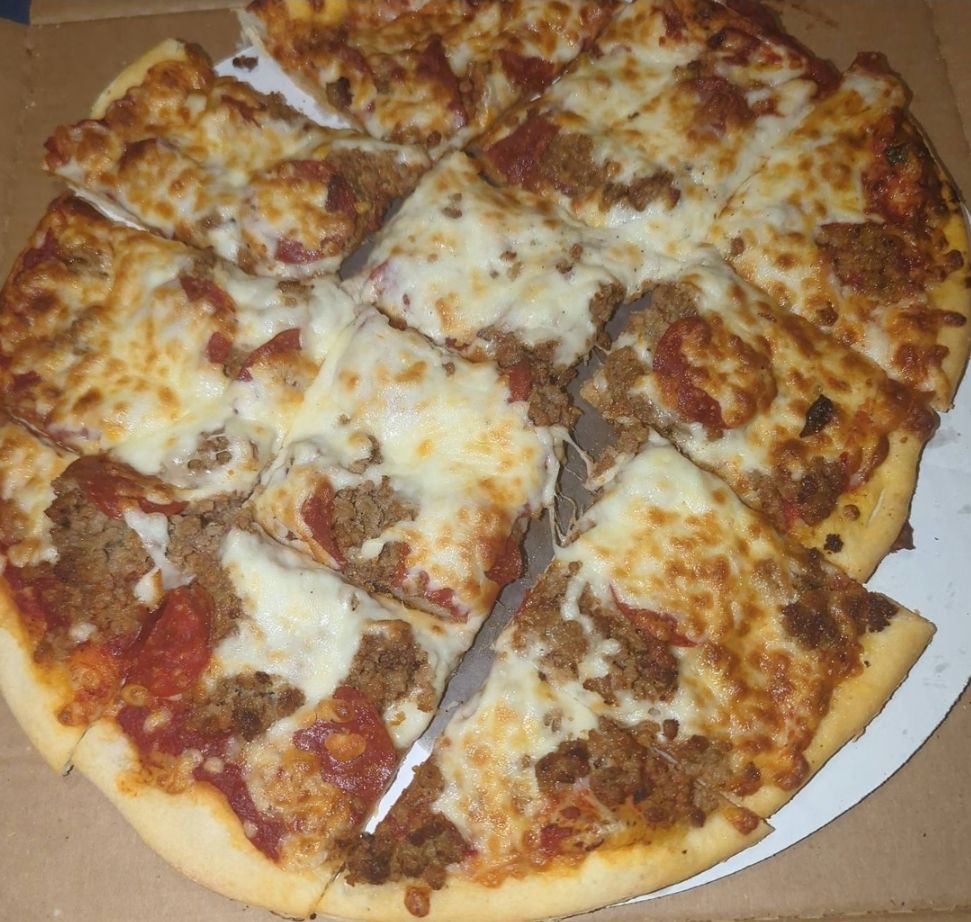
After a quick visit to the shore of Lake Michigan we continued to Merrillville south of Chicago for dinner and a good night sleep. We were hoping for Chicago style pizza but we didn’t want to drive back into Chicago so we settled for a local Italian restaurant, The pizza was delicious.
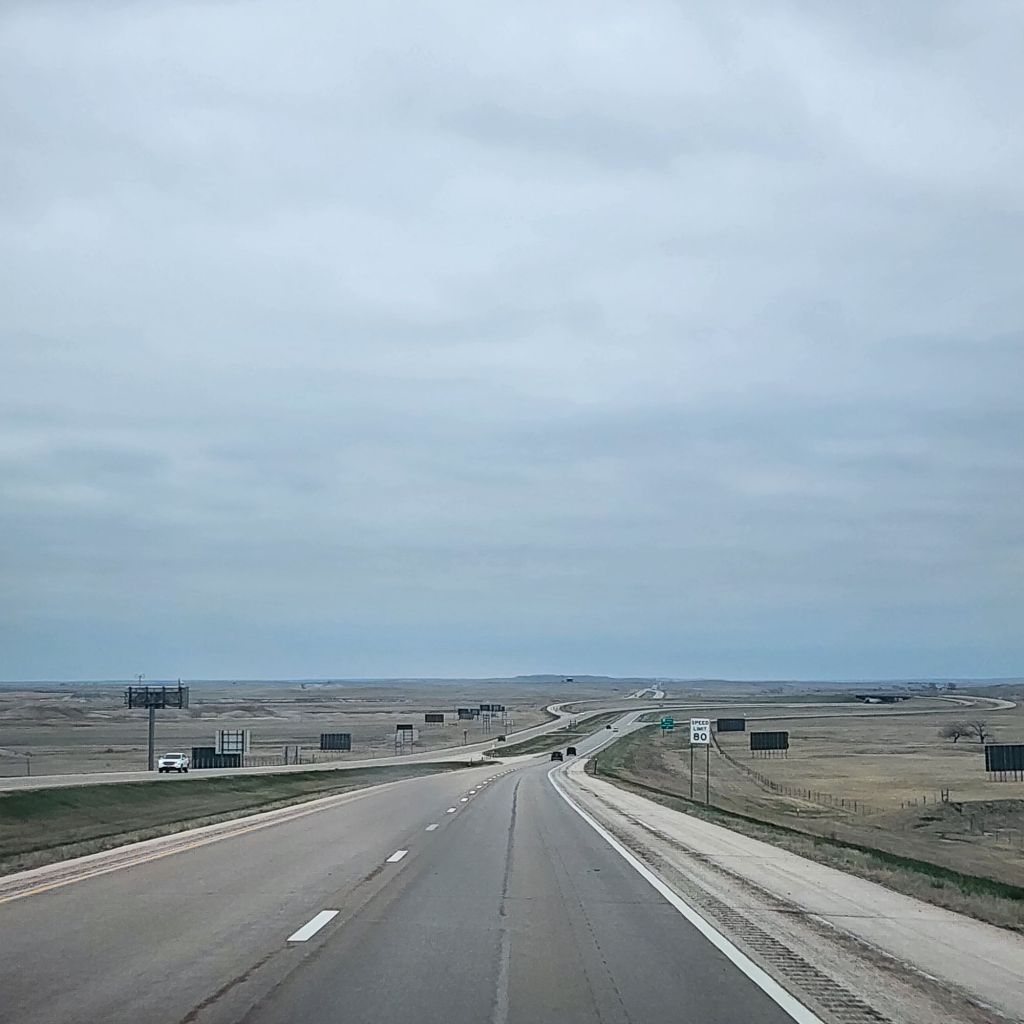
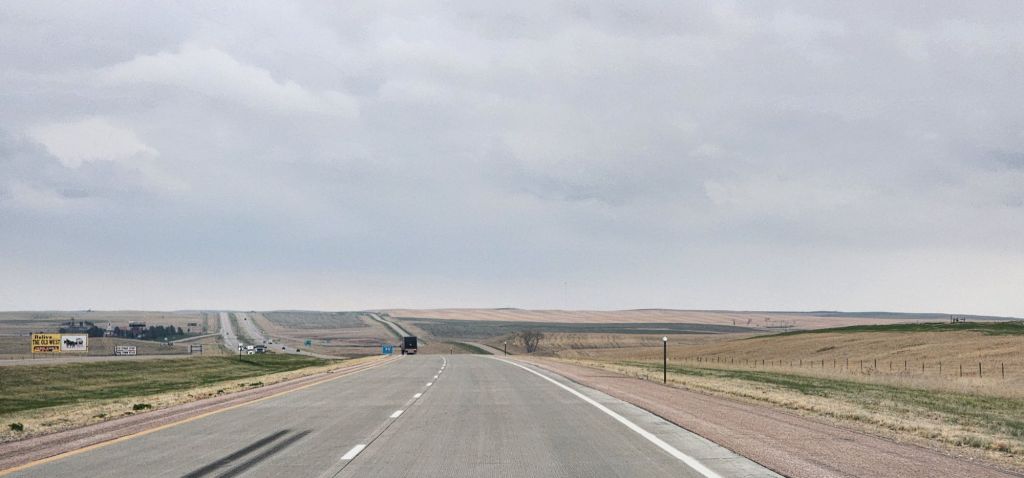
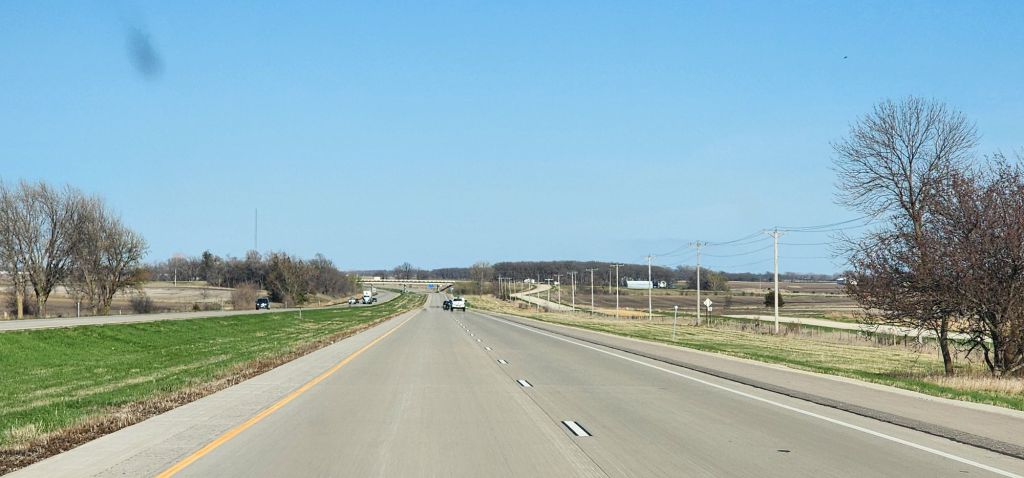
We considered a possible attempt to see Mount Rushmore before starting our drive, but the weather Saturday morning was worse than Friday night – fog, rain, and dark clouds. Reluctantly we set out for a long drive east on Interstate I-90. The winds in South Dakota were high and buffeting, proving to be a challenge. At one point, a truck and trailer right ahead of us was hit with a strong gust that pushed the trailer sideways raising it off the ground on one side. The truck driver was luckily able to recover before the trailer flipped over on it’s side. The terrain was flat, flat, flat almost the entire way up to the Mississippi River, with gentle rolling hills as we approached the Mississippi.. The only real change was that cattle range land in South Dakota gave way to mostly farming fields in Minnesota.
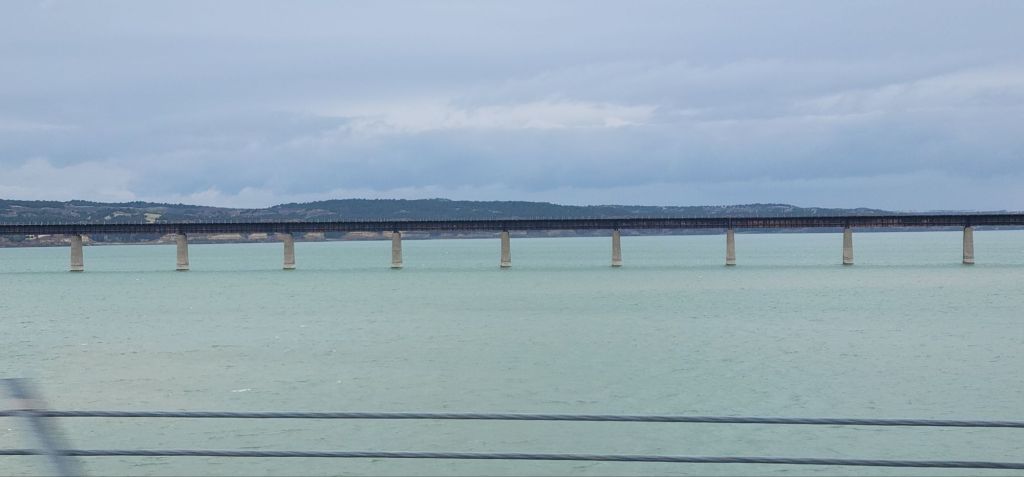
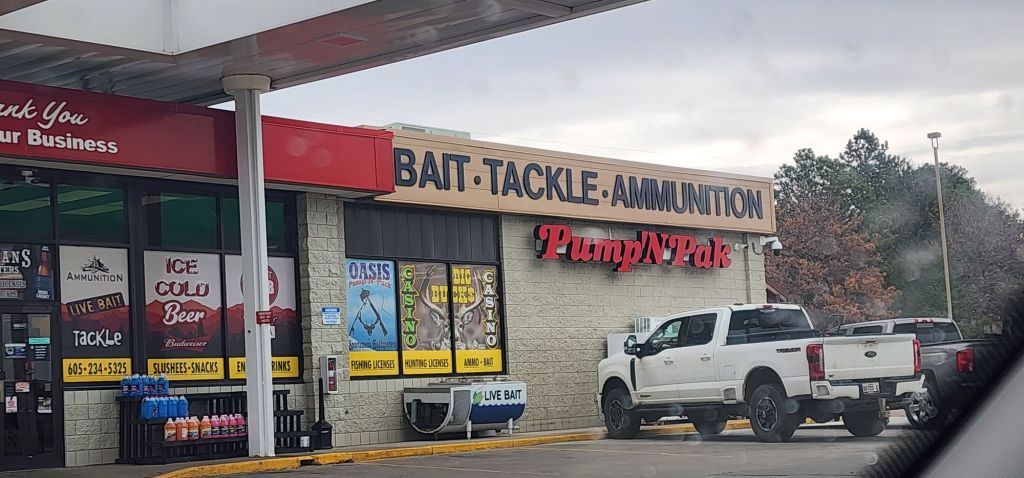
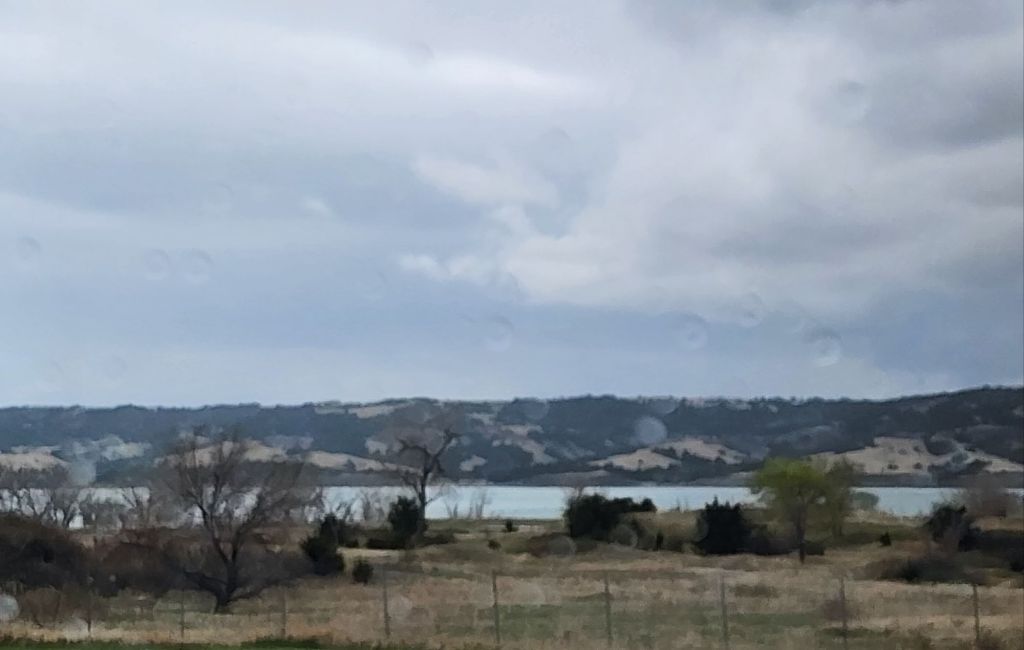
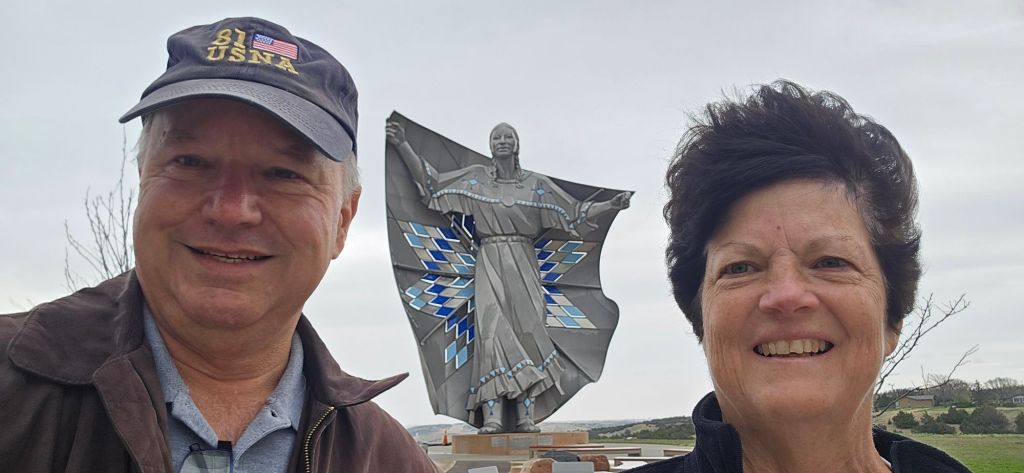
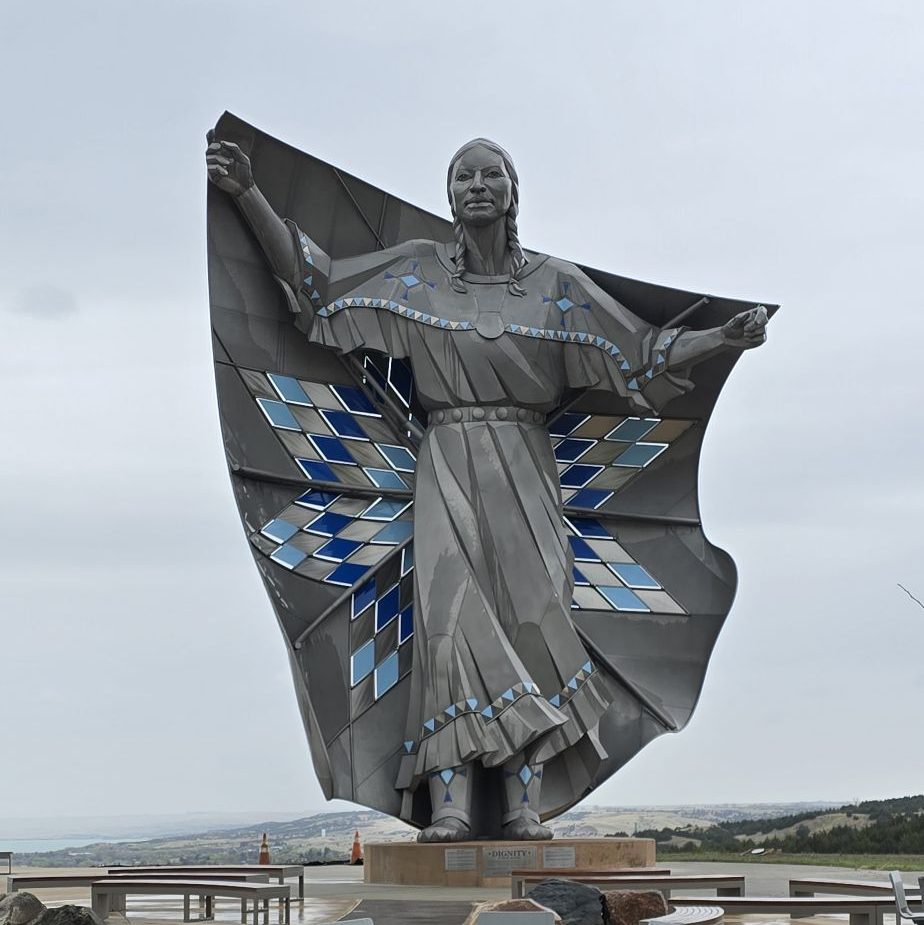
We crossed the Missouri River at Chamberlain SD. We also stopped for gas and noticed that South Dakota is truly a Second Amendment state where you can get fuel and ammunition at the same location. The Missouri River had an overlook with a large sculpture of a Dakota Indian woman. There were three tribes in this area – Dakota, Lakota, and Nakota, which were a small subset of the Sioux indian tribes.
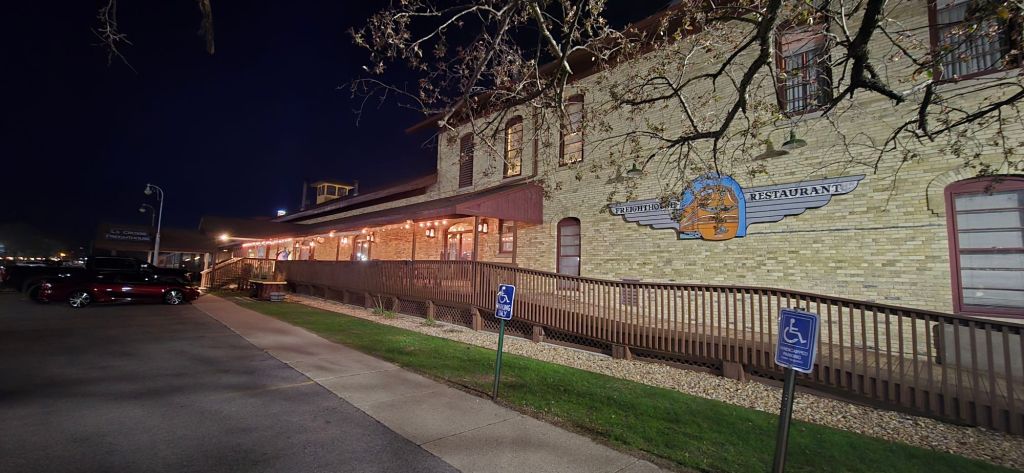
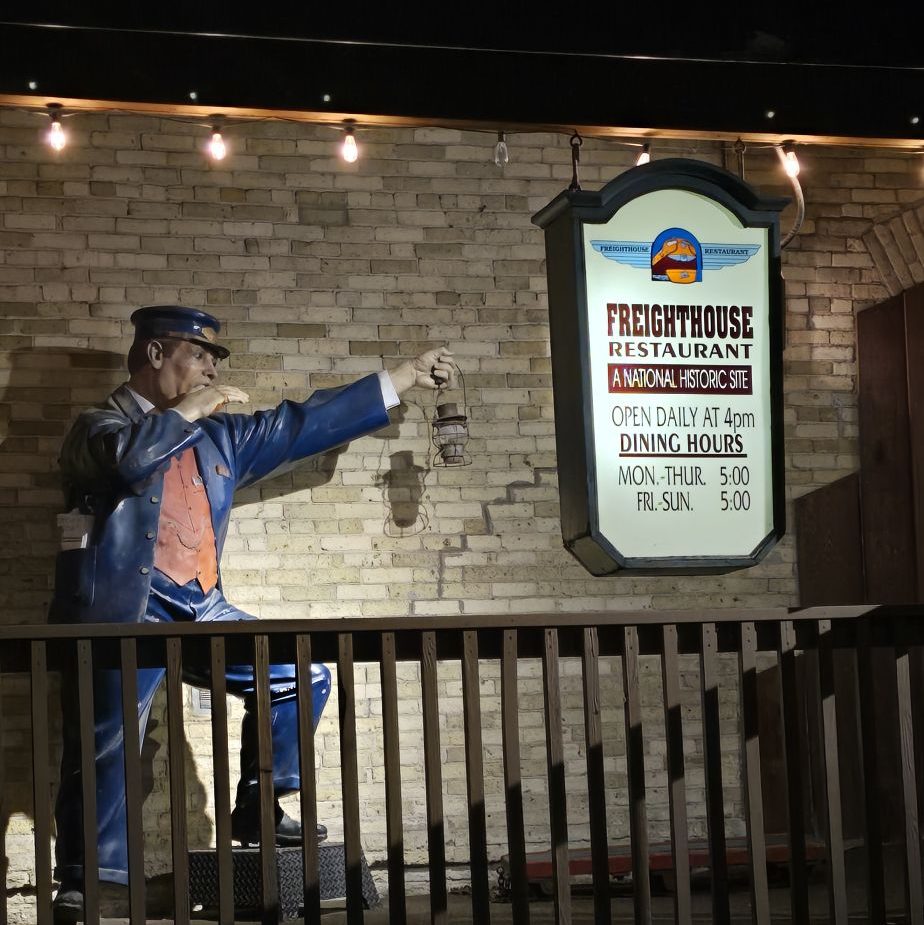
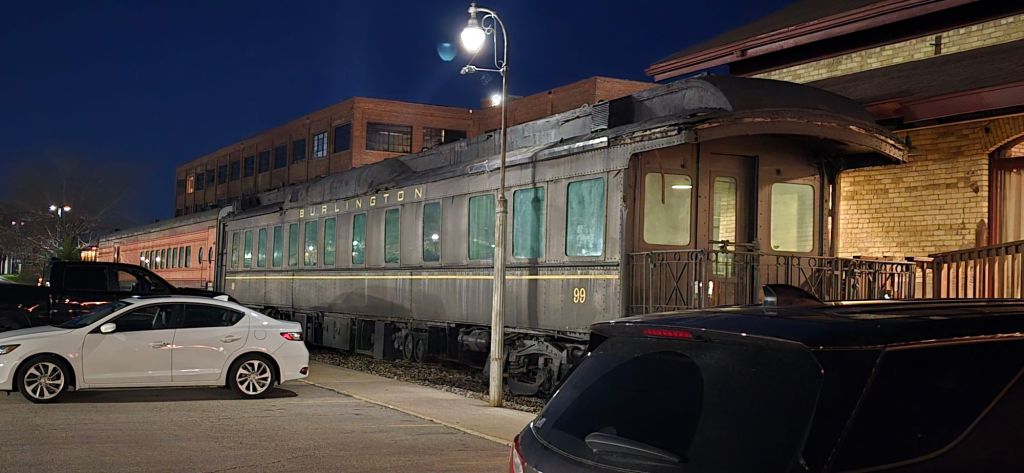
We finally crossed the Mississippi River into La Crosse WI to complete our day. We had dinner at the Freighthouse restaurant in Old Town La Crosse. This restaurant is in the original railroad freight house along an old railroad track that still has two railcars in front og the restaurant. The food and service were excellent and we both had the prime rib roast made from prime midwestern beef at a reasonable price. It was delicious!
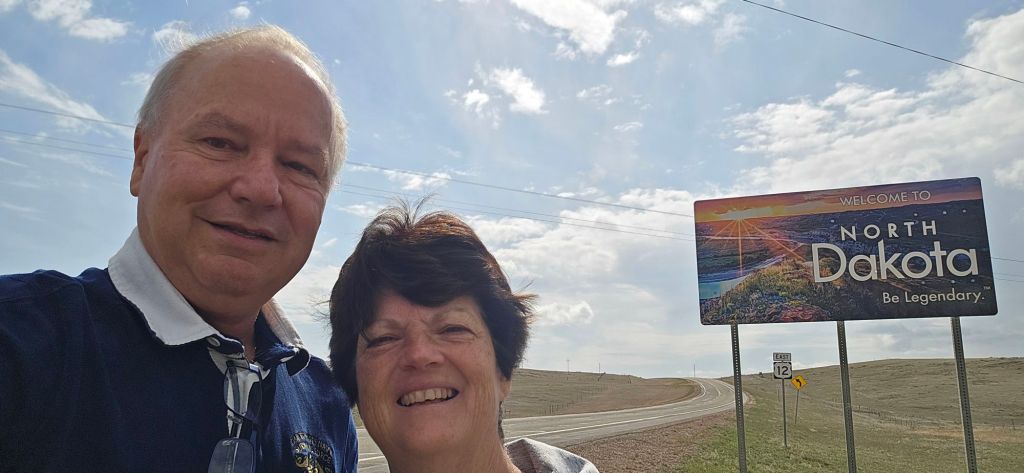
We finally made it to North Dakota! In all of our travels together over the past nearly 48 years this is the first time we have stepped foot in North Dakota, the last of the 50 United States for us to visit. We did intentionally make a route north from Wyoming into Montana and then east into North Dakota before heading south into South Dakota.
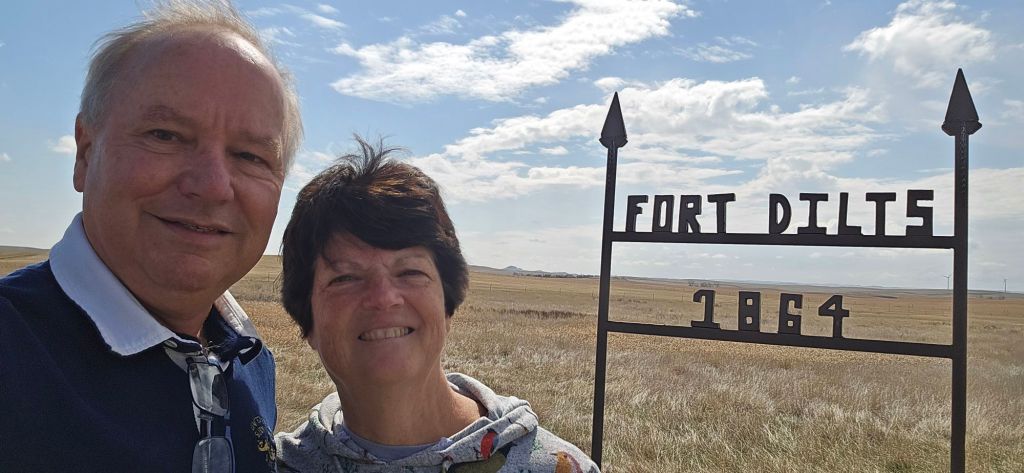
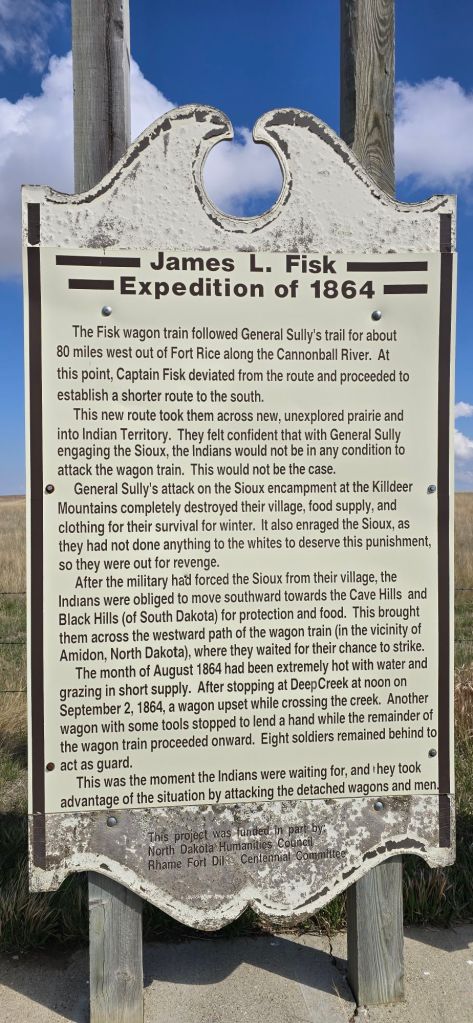
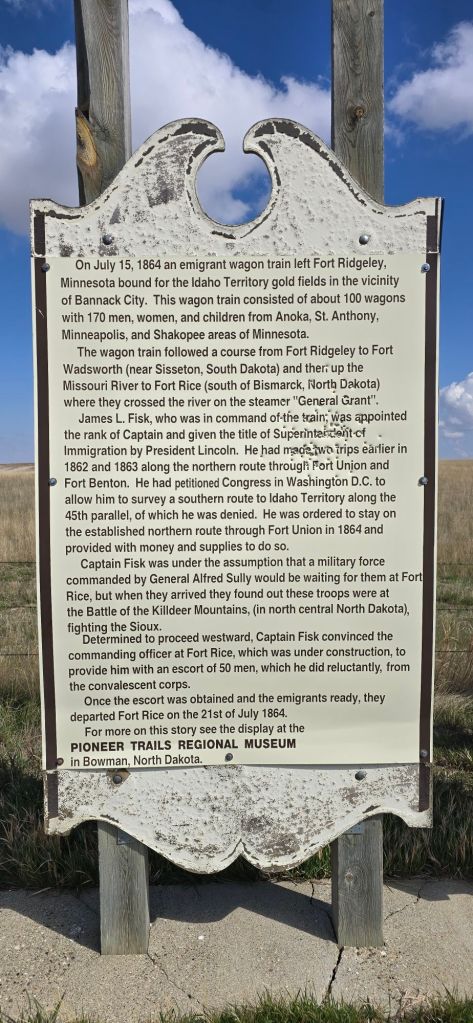
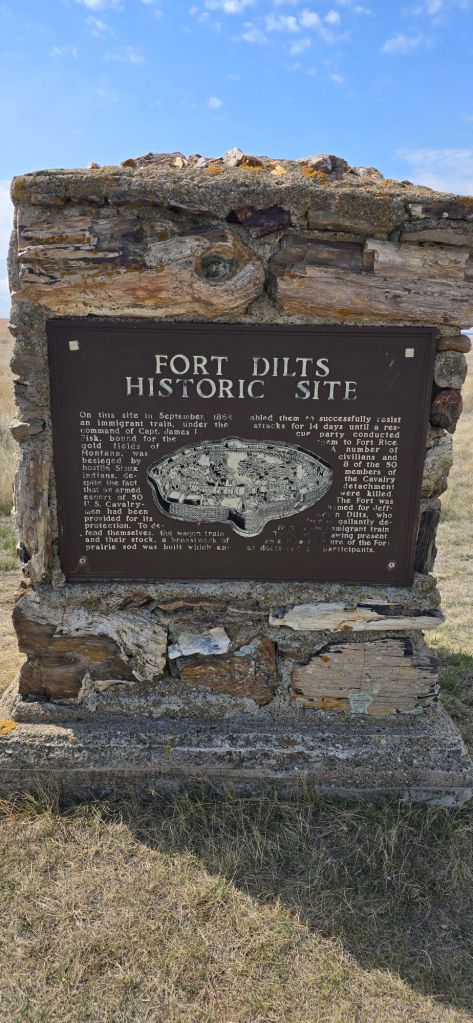
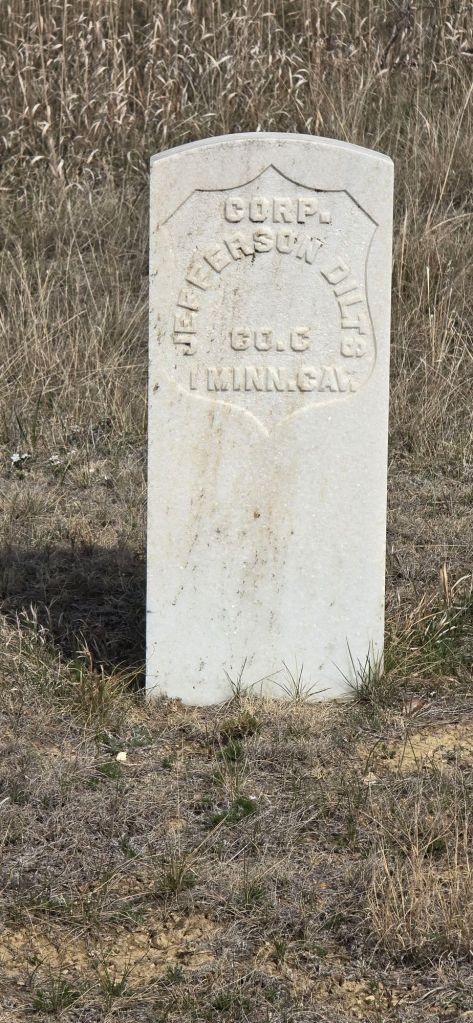
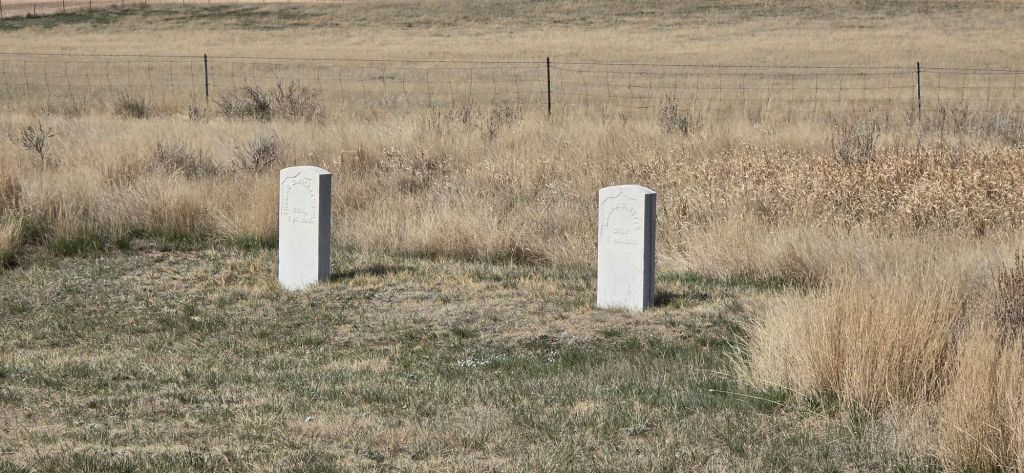
We made a slight detour in North Dakota to visit the site of Fort Dilts. This is a site of an Indian attack on a wagon train and the only official account of a wagon train circling their wagons to defend against an Indian Attack. The settlers and soldiers circled the wagons and built a six-foot high sod wall around the wagons as a defense while a group of soldiers made a 3-day ride to Fort Rice for reinforcements. Fort Rice sent 300 calvary and 550 infantry soldiers to rescue the wagon train and return them to Fort Rice. At that point the now unsettled settlers abandoned their plan to move west and the wagon train was disbanded.
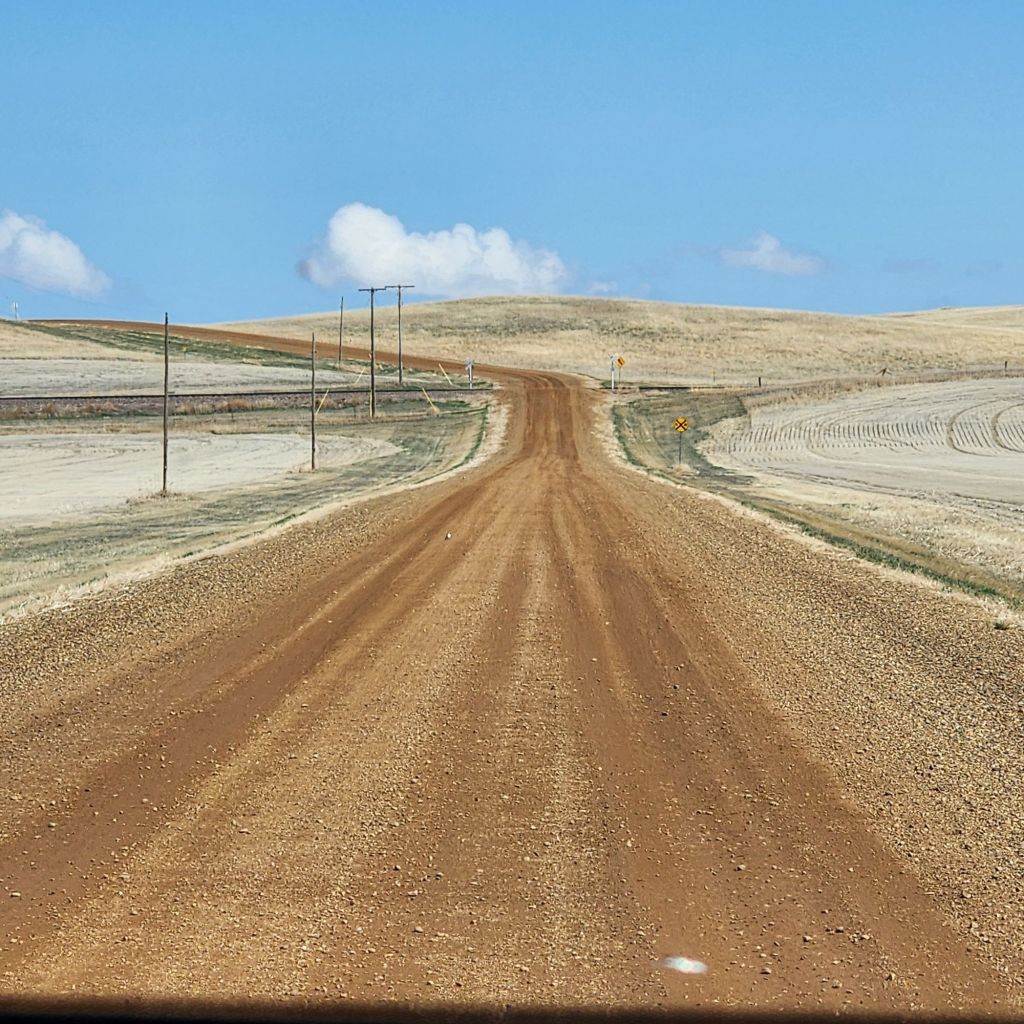
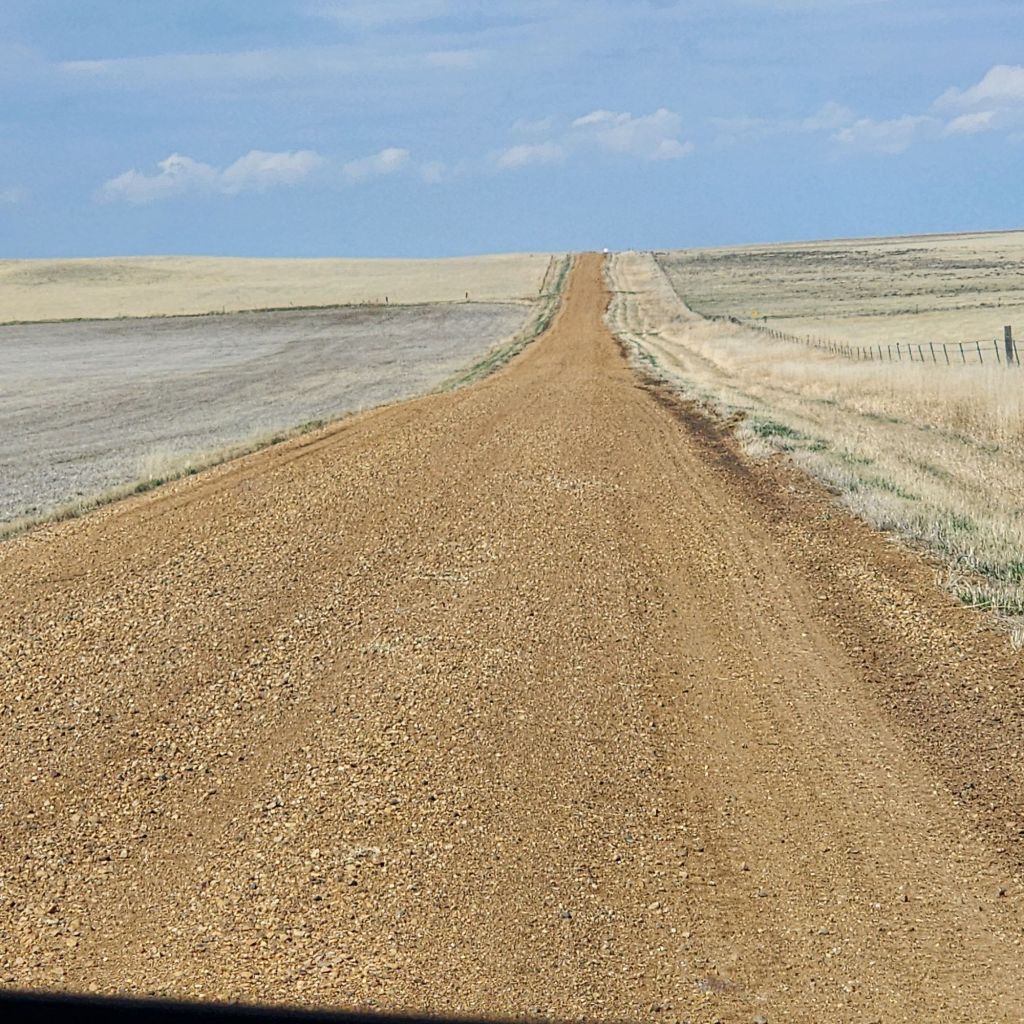
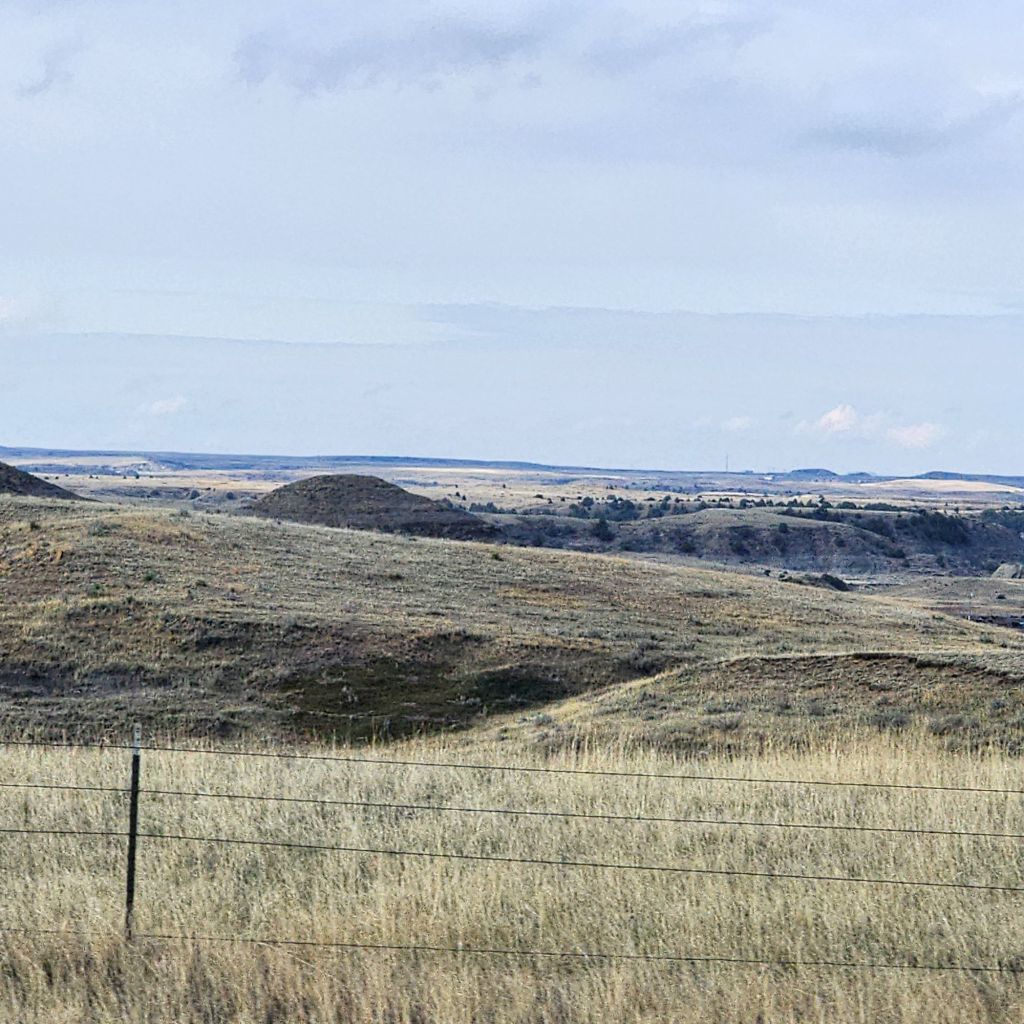
This site was located several miles off the main highway down a dirt road and across an active railroad track. Based on our short visit to North Dakota it appears all roads other than main highways are dirt.
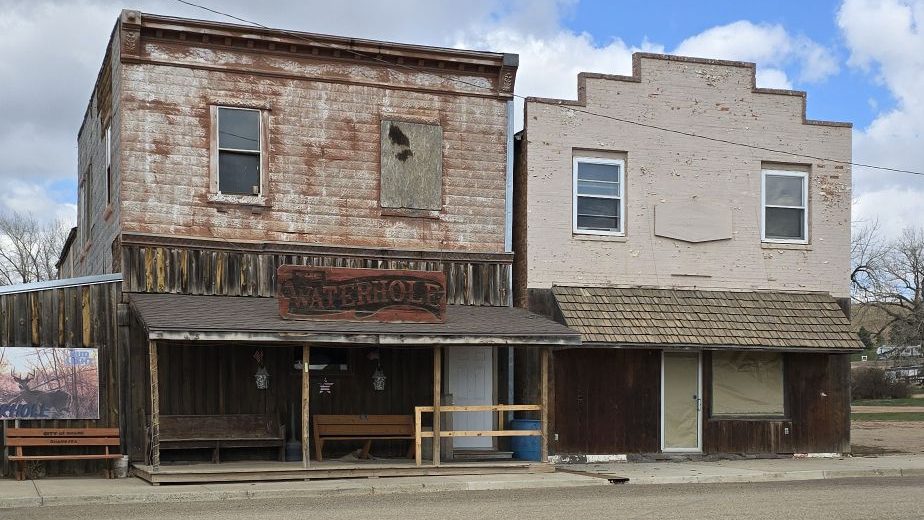
We then stop for lunch in Rhame, ND at what must have been the only diner in the tiny little town. It was actually also the town senior center. The service was very friendly and the food was good. What was unusual was the time it took to get our order. The server apologized for the delay but it was never determined exactly what the delay might have been.
We said goodbye to North Dakota and headed south to South Dakota. The weather was clear and beautiful and we were looking forward to seeing both the Crazy Horse monument and Mount Rushmore in the Black Hills of southwest South Dakota. Unfortunately, as we proceeded south, the cloud cover began to build.
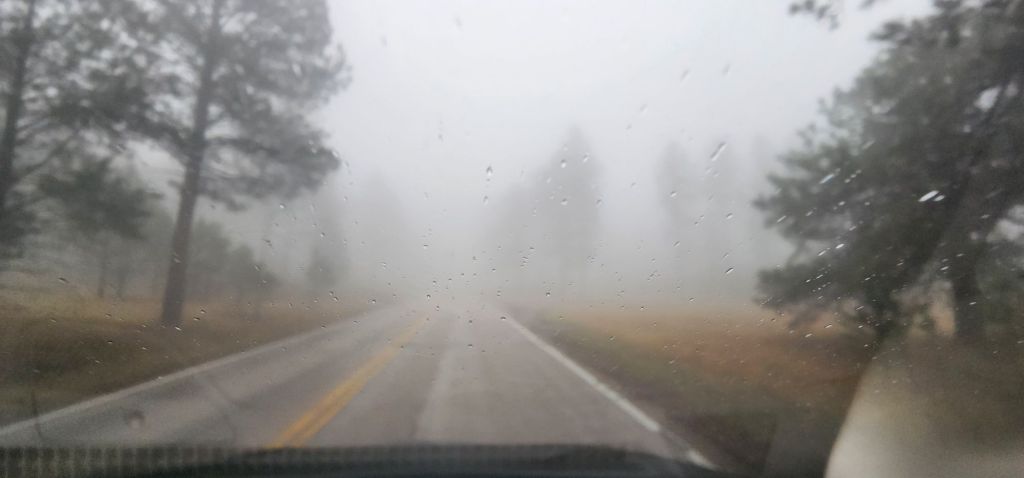
When we reached the black hills, they were under heavy clouds but we still had hope that the clouds were above the mountain carvings. Unfortunately, as we approached Crazy Horse mountain we ran into heavy fog.
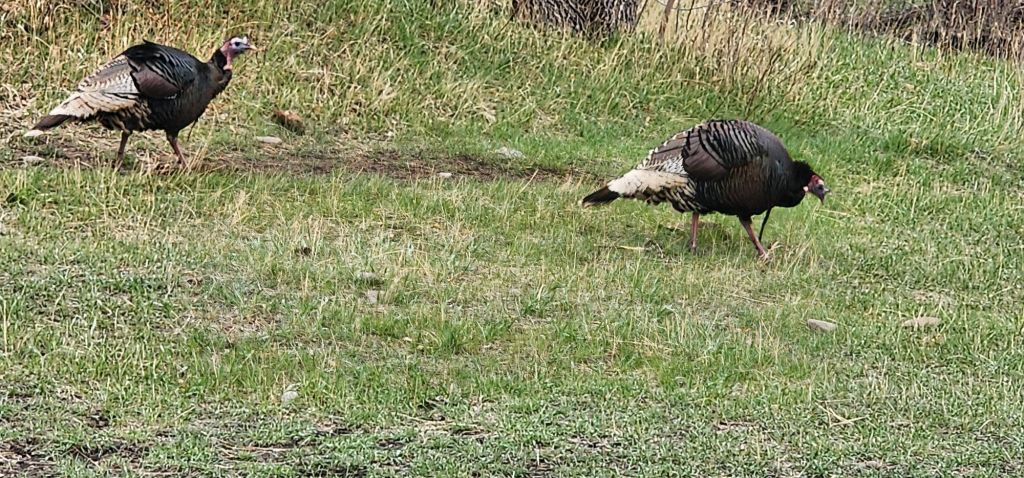
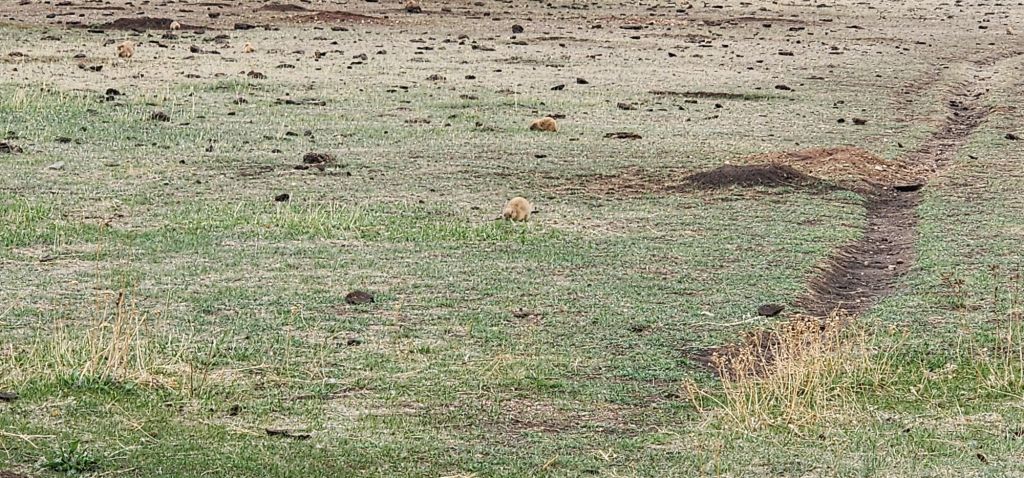
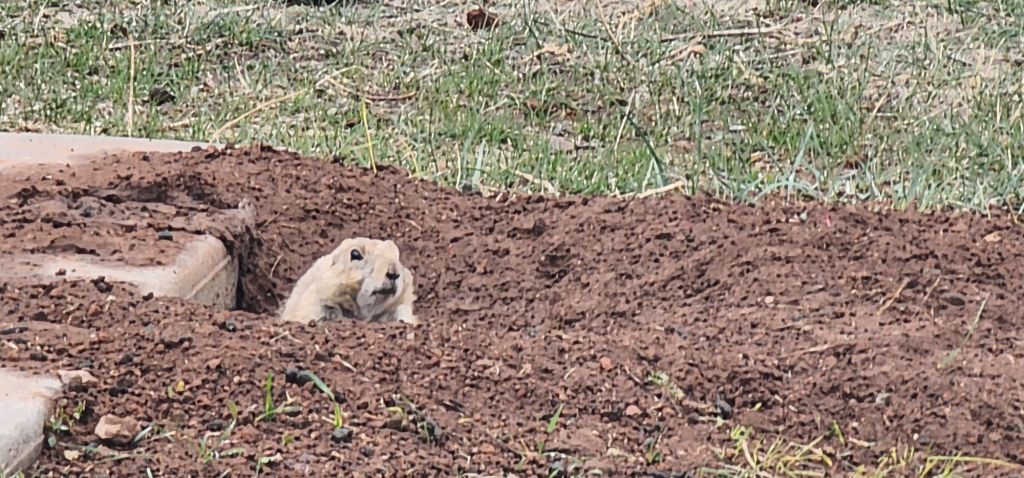
We could barely see the road, much less any mountain. Although disappointed for the second day in a row, we decided to drive down to a state park that advertised a wildlife loop road to see if we could spot some wildlife. The fog cleared as we descended and we entered the state park with high hopes. Right away we saw these wild species – turkeys and prairie dogs.
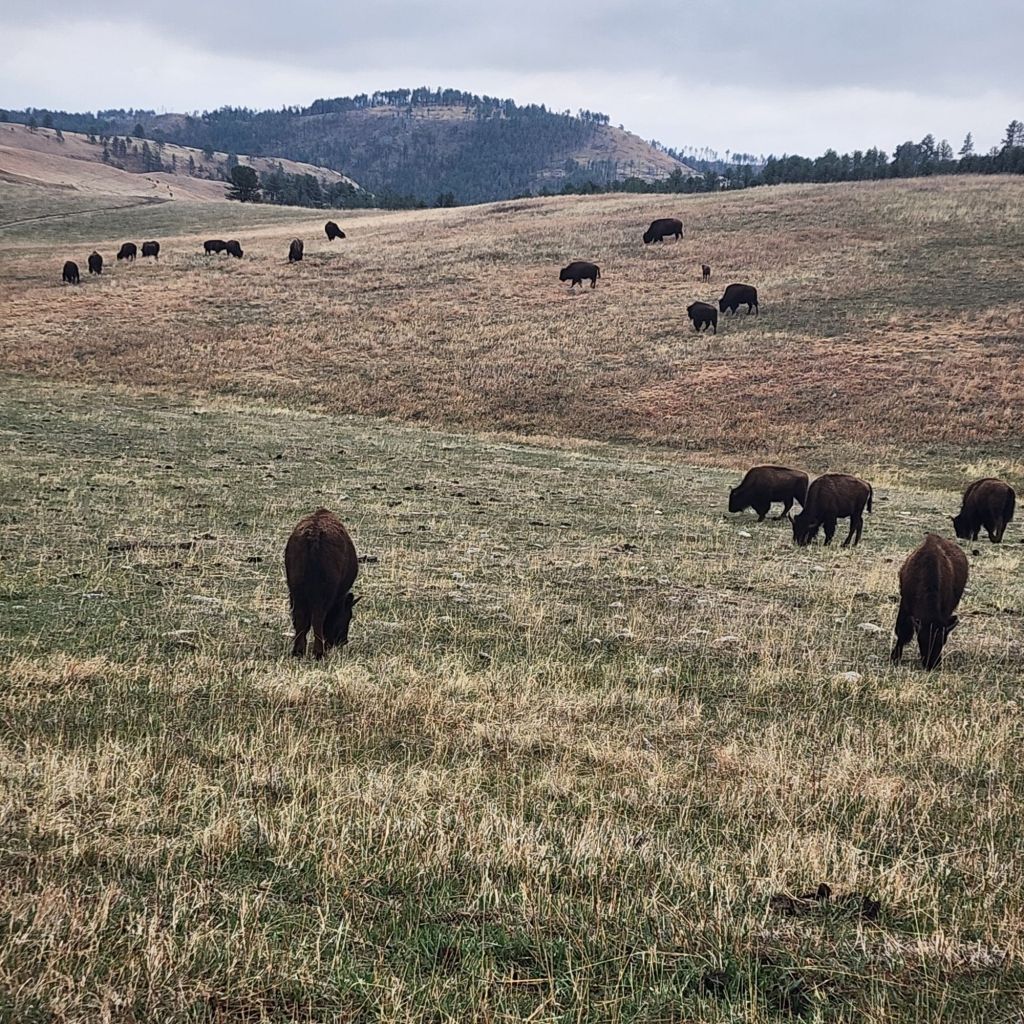
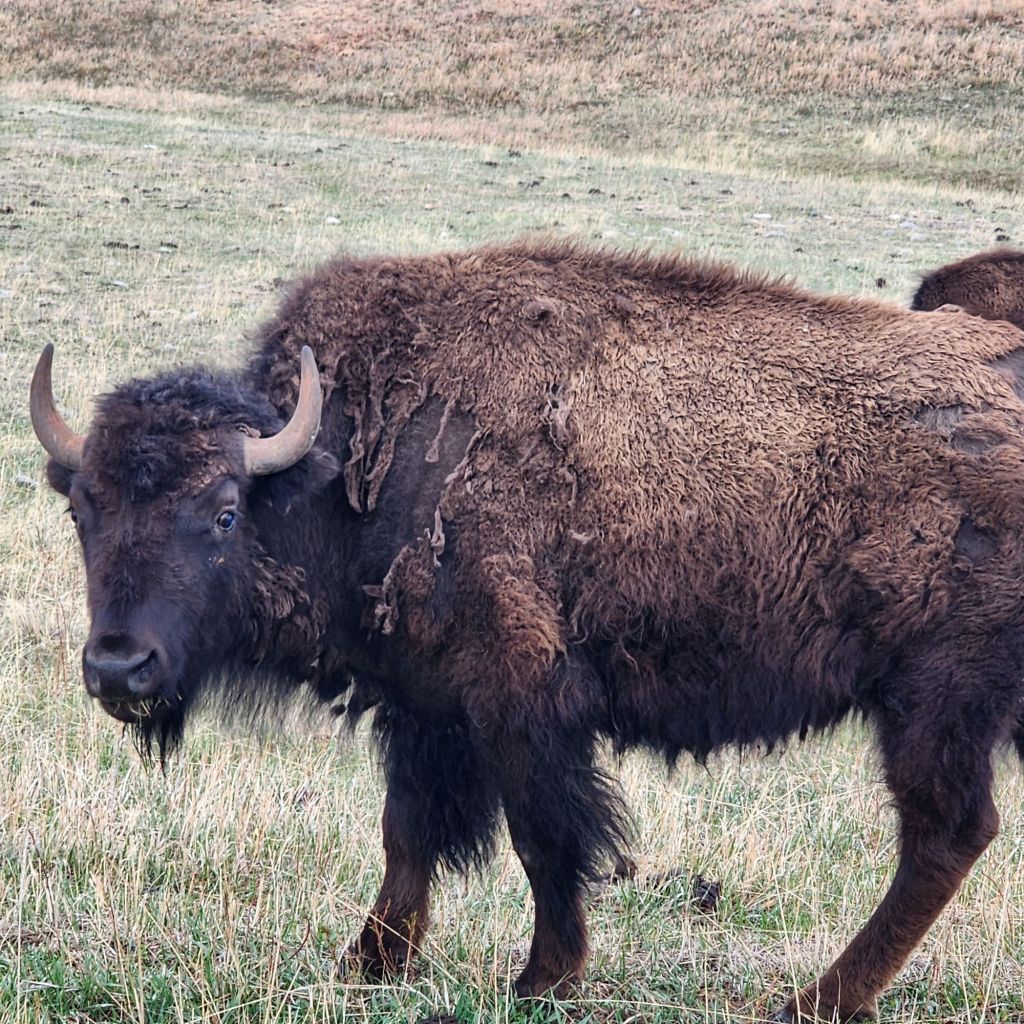
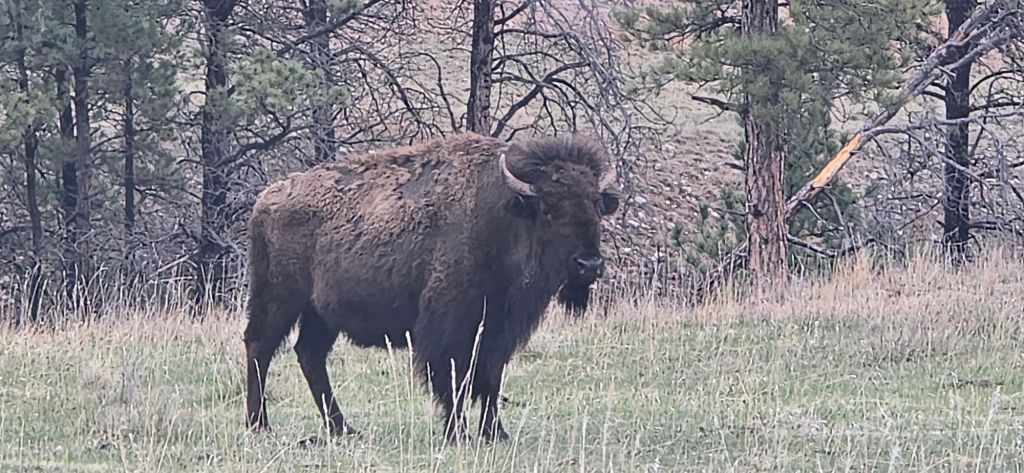
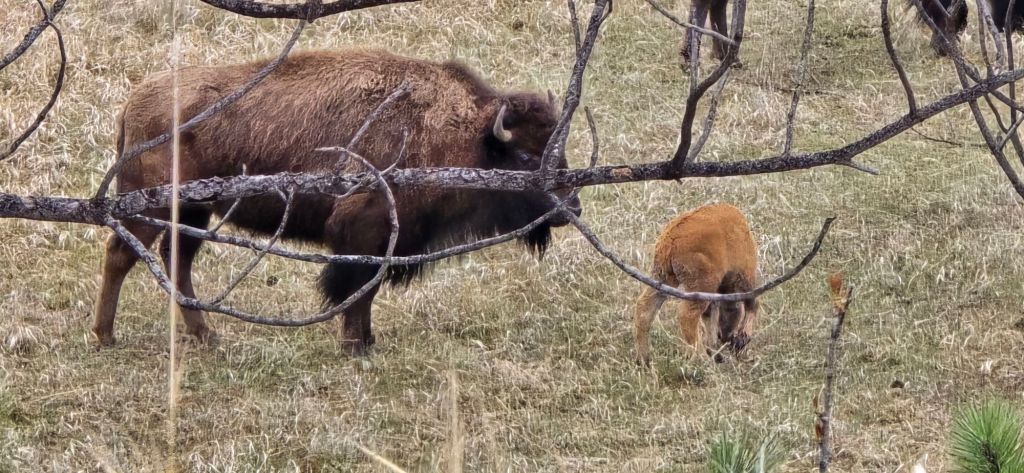
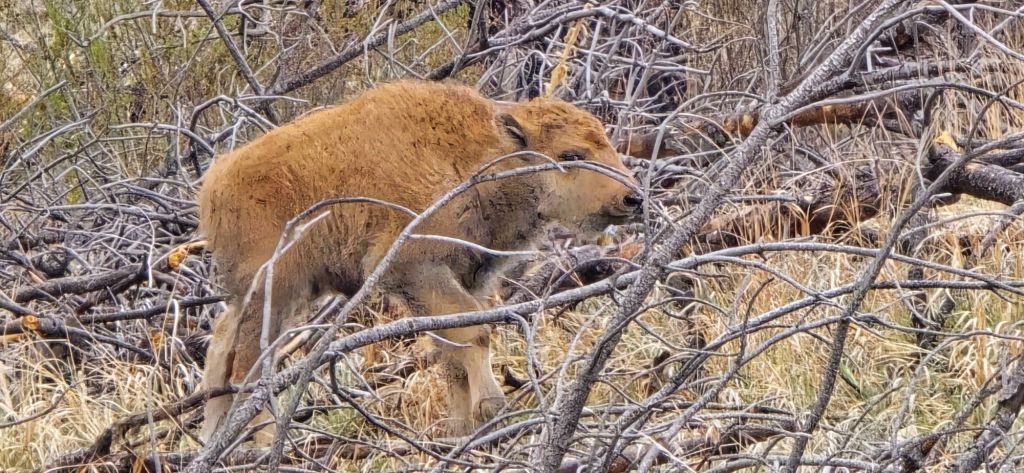
Not to be deterred, we continued along the loop searching dilligently. We finally saw some buffalo at a distance but too far for a good picture. Then, rounding a curve, we ran into a small herd of buffalo along the main road!
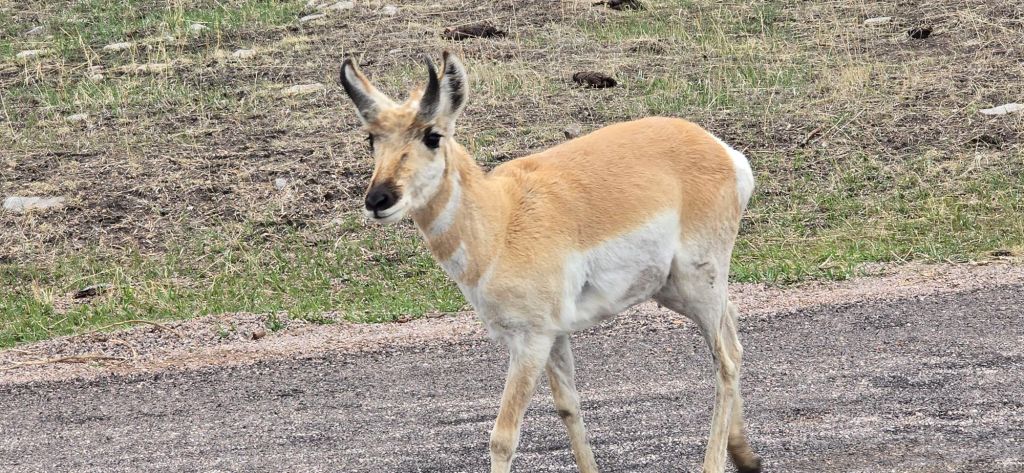
We left the buffalo and I commented to Mary we now just needed a herd of antelope to come by. Almost as if on queue, about six antelope came over the hill ahead of us. Not only that, two of the bucks locked horns and gave us a show.
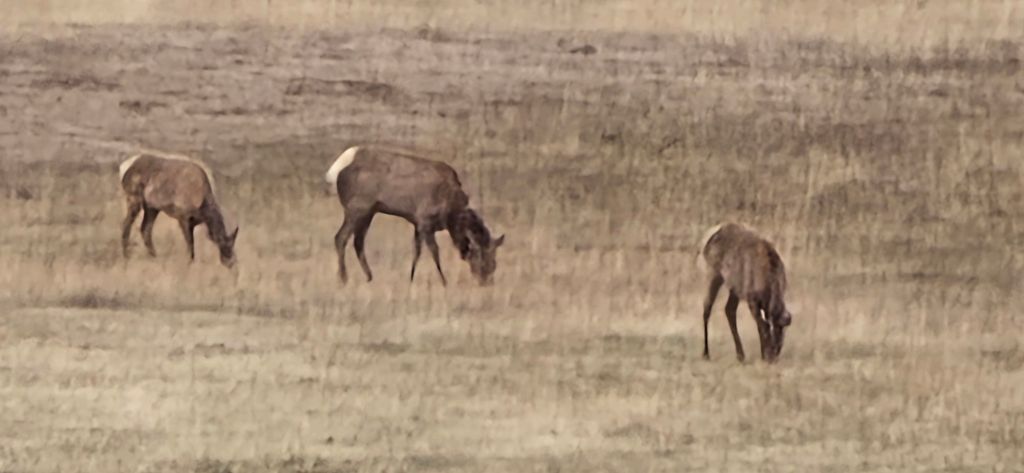
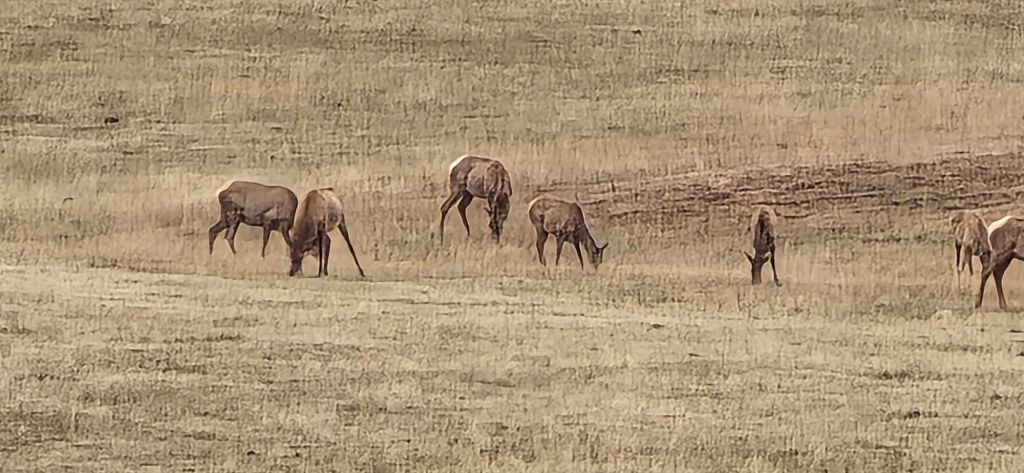
We moved on and found a second large herd of buffalo. What are the chances we would find Elk? They didn’t disappoint and we came across a small herd of Elk in the trees.
After this successful adventure we stopped in Keystone SD for dinner at the Ruby House Restaurant where Mary had the Elk burger and I had the Buffalo Ribeye steak rare. Both were delicious. We then headed to our hotel in Rapid City for the night.
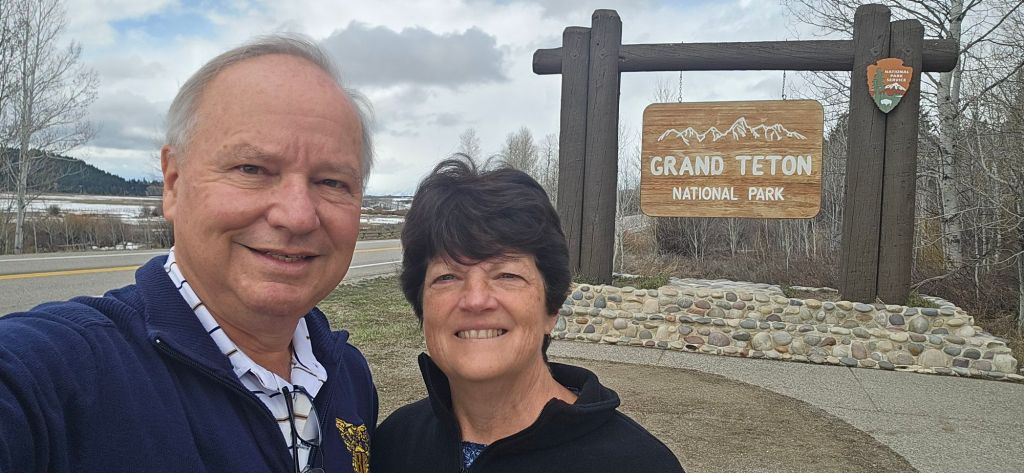
This was our day to see the magnificent Grand Tetons! Despite criss-crossing the country many times on military moves we never made it to this particular National Park. In the morning from our hotel it appeared that the day was partly sunny with some clouds, but we could not see the Teton Range from Jackson. As we drove out of Jackson and could view the Teton Range, to our great disappointment, low clouds shrouded the soaring peaks of these giants.
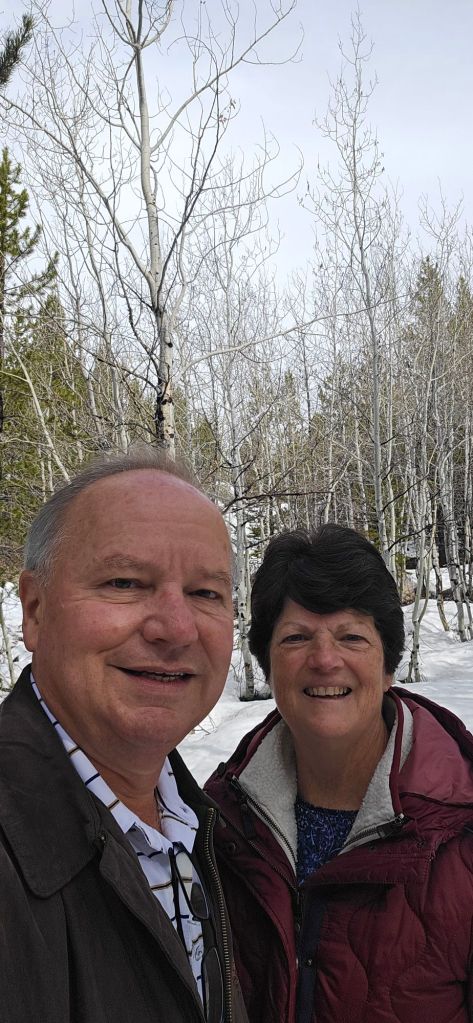
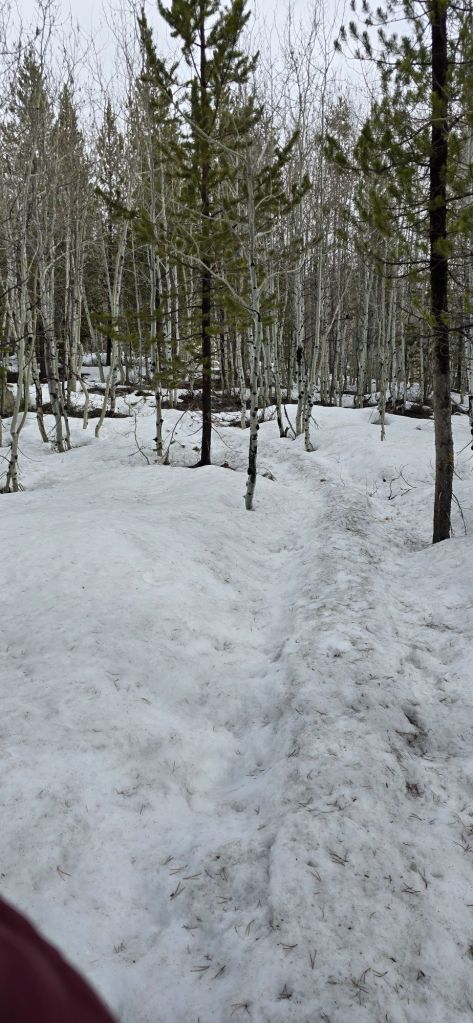
Not to be deterred, we decided to go in the Park and attempt to hike to one Taggert Lake (most of the park roads were still closed). Snow still covered most of the park and what appeared to be a trail quickly became just a snow path through the woods with the snow getting deeper and deeper. We decided to abandon our attempt and return to the drive, vowing to come back at a better time of year.
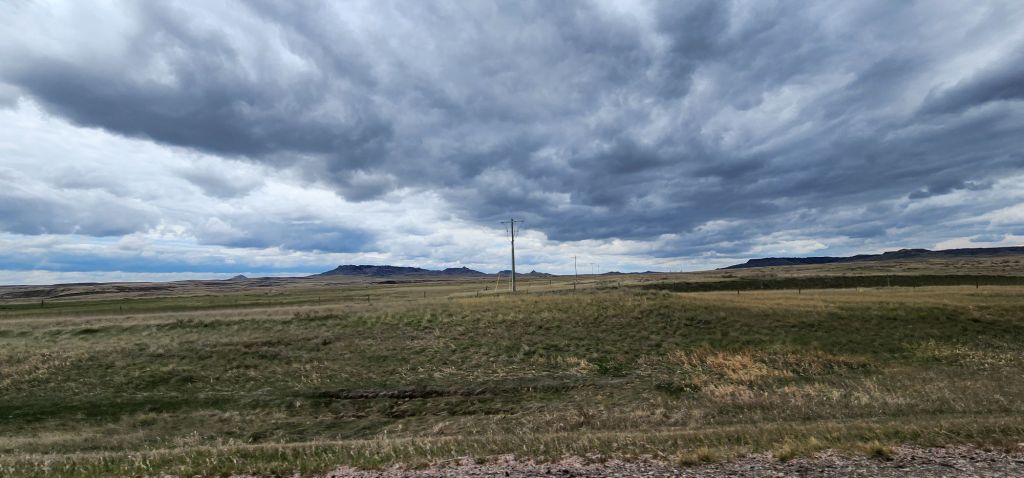
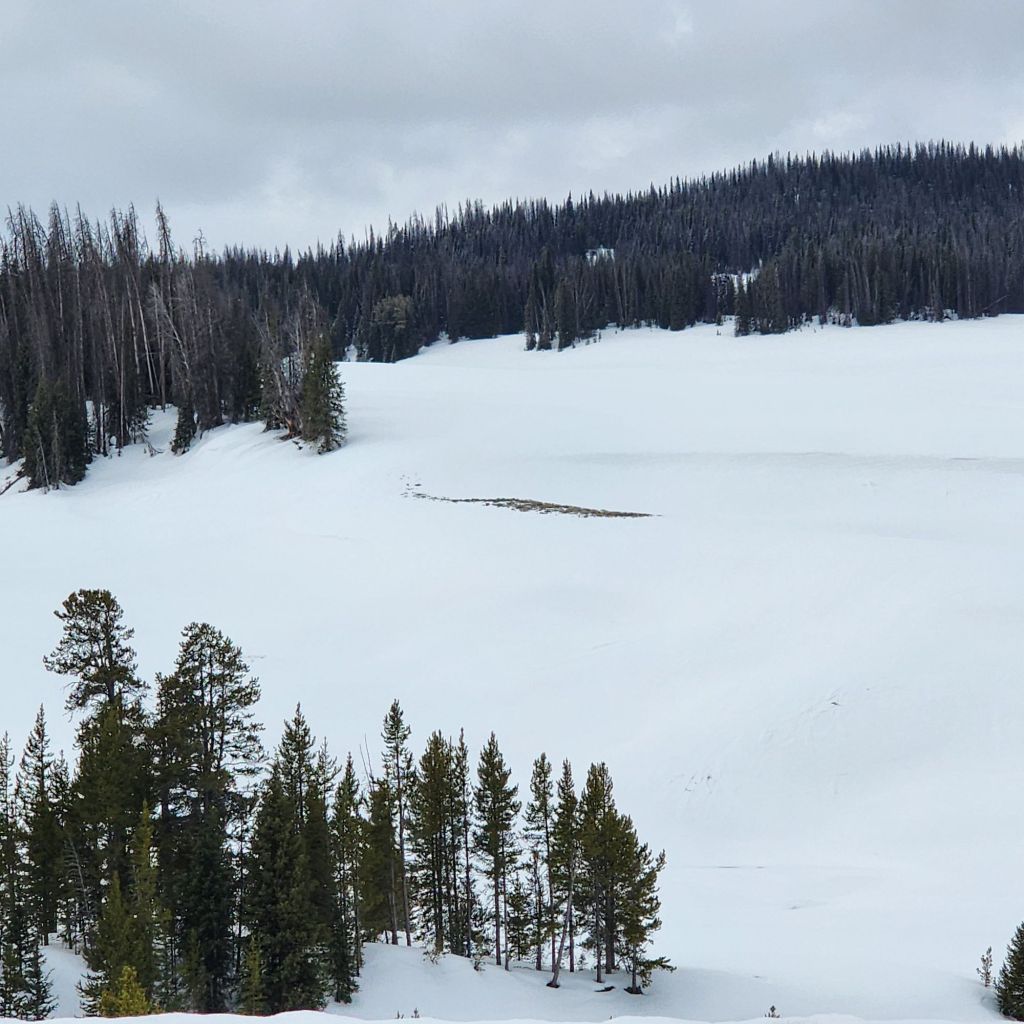
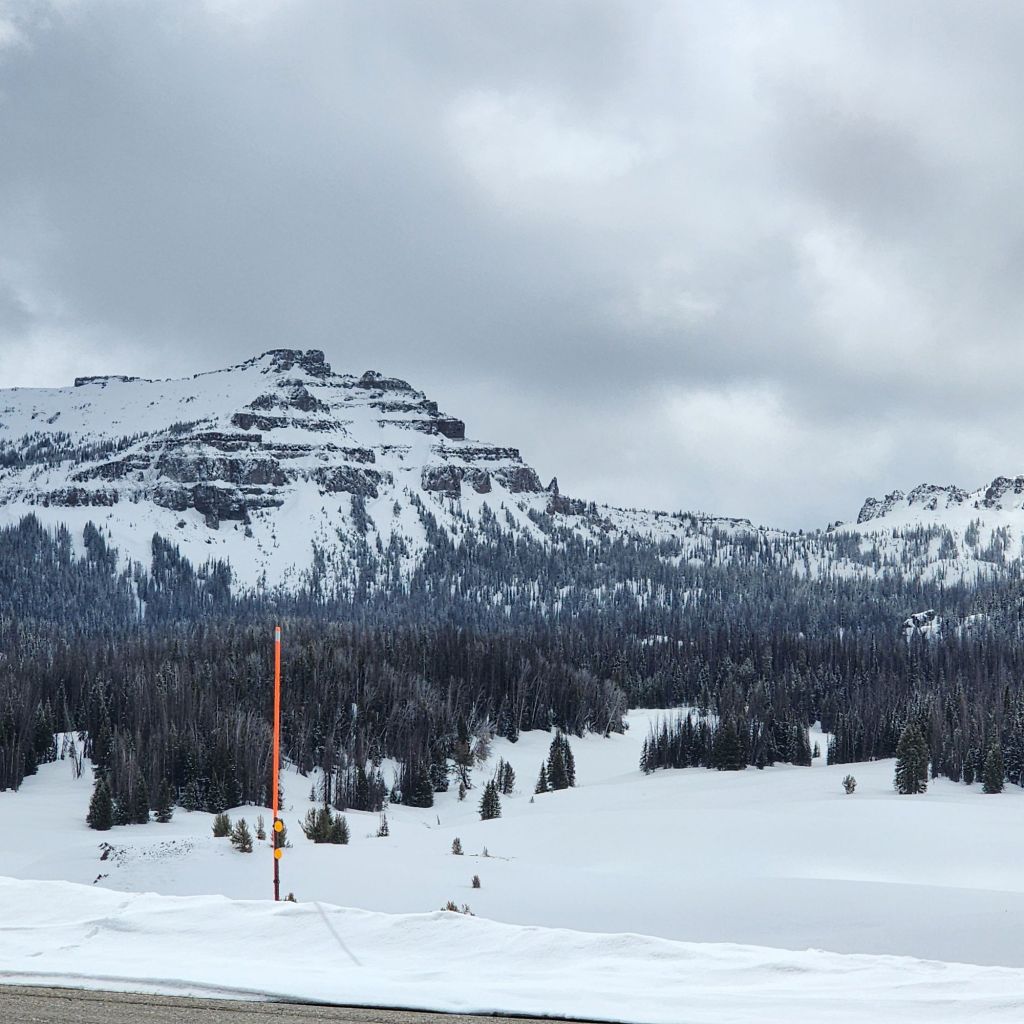
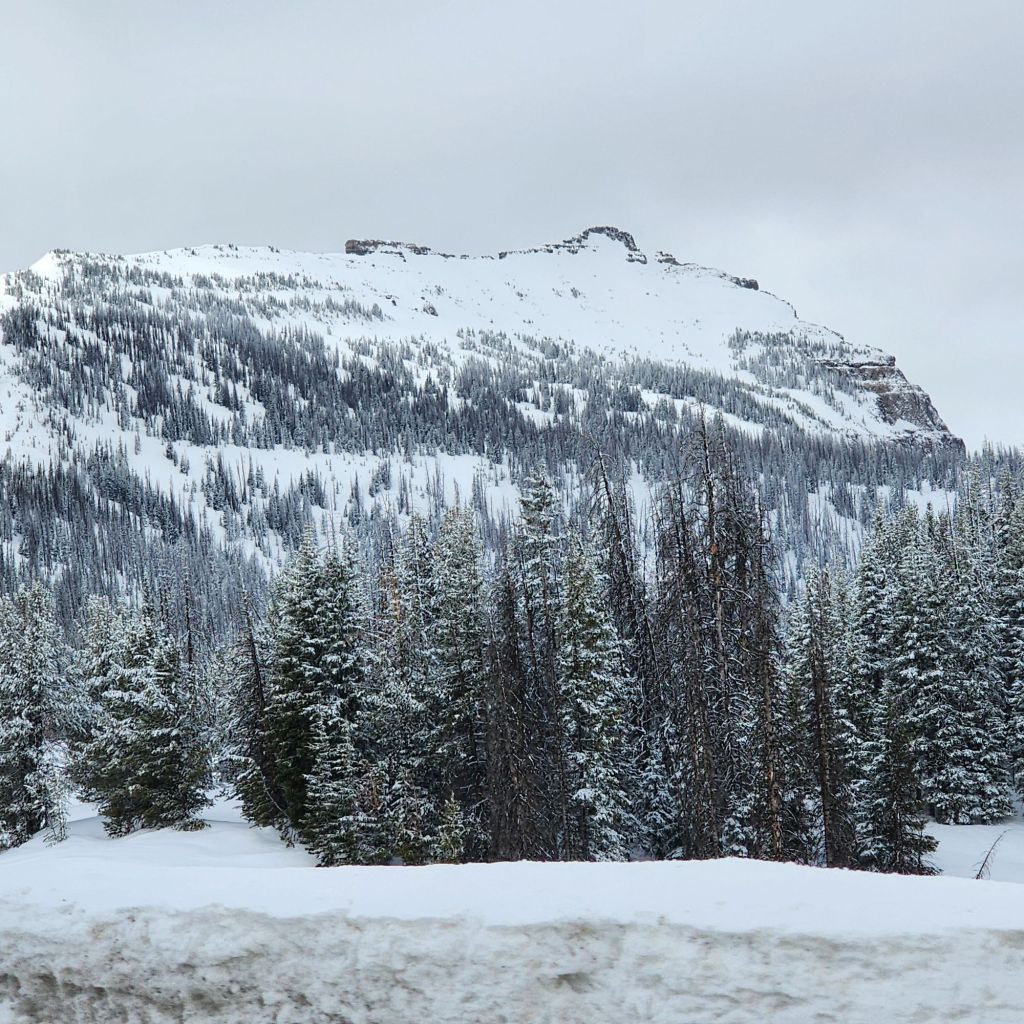
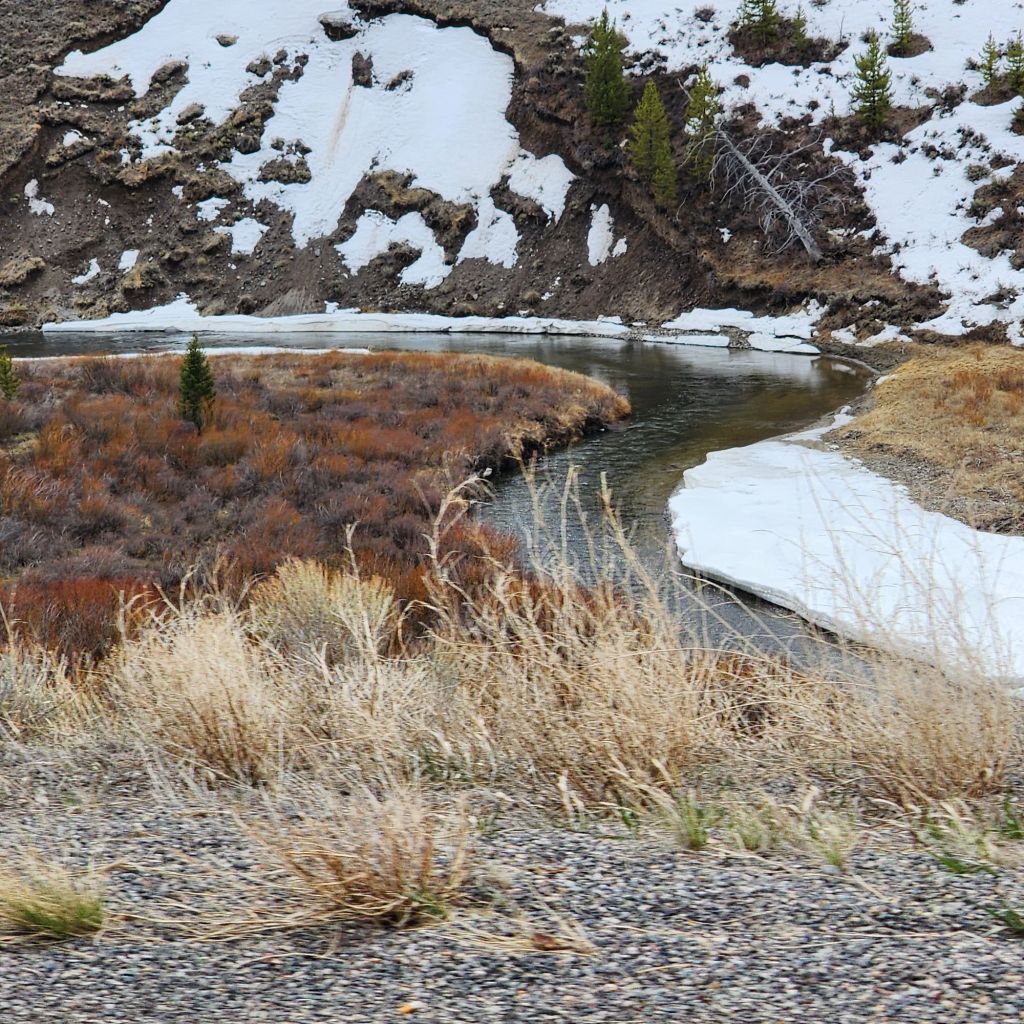
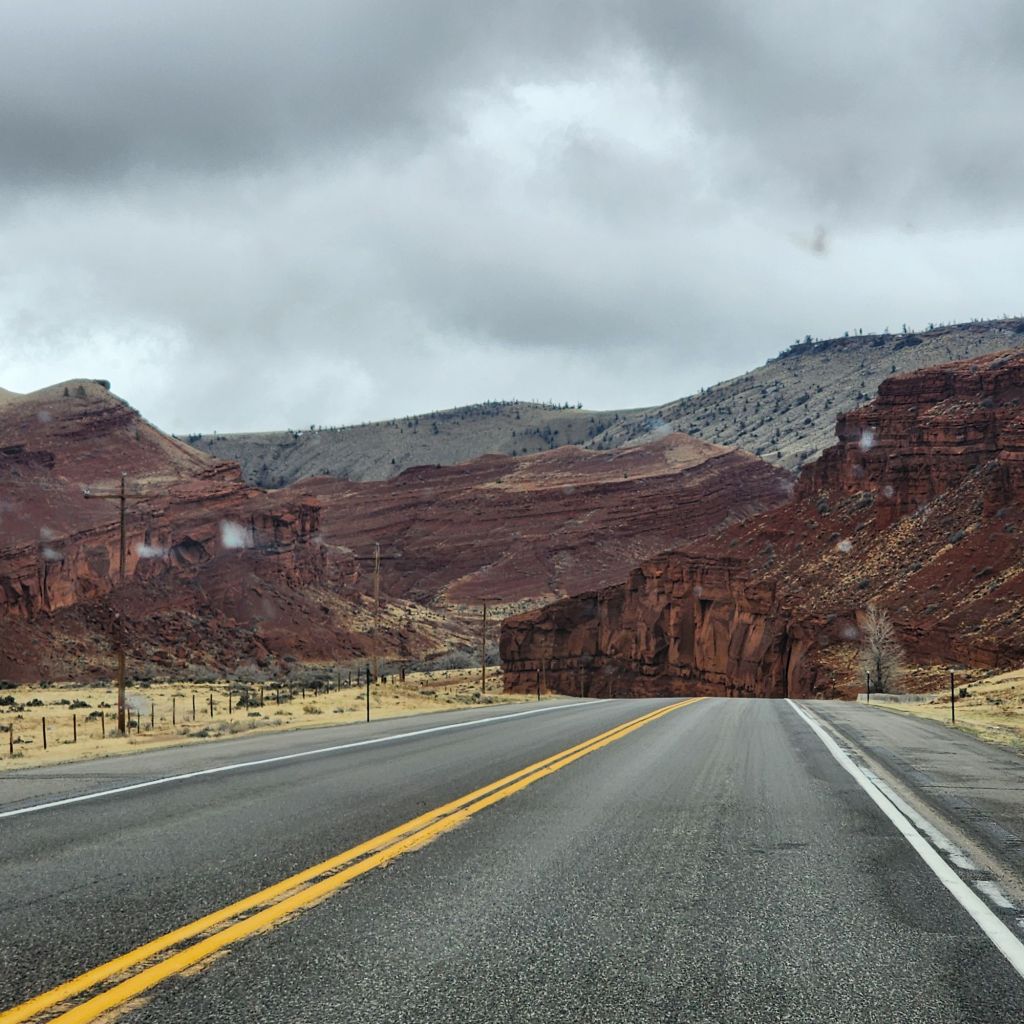
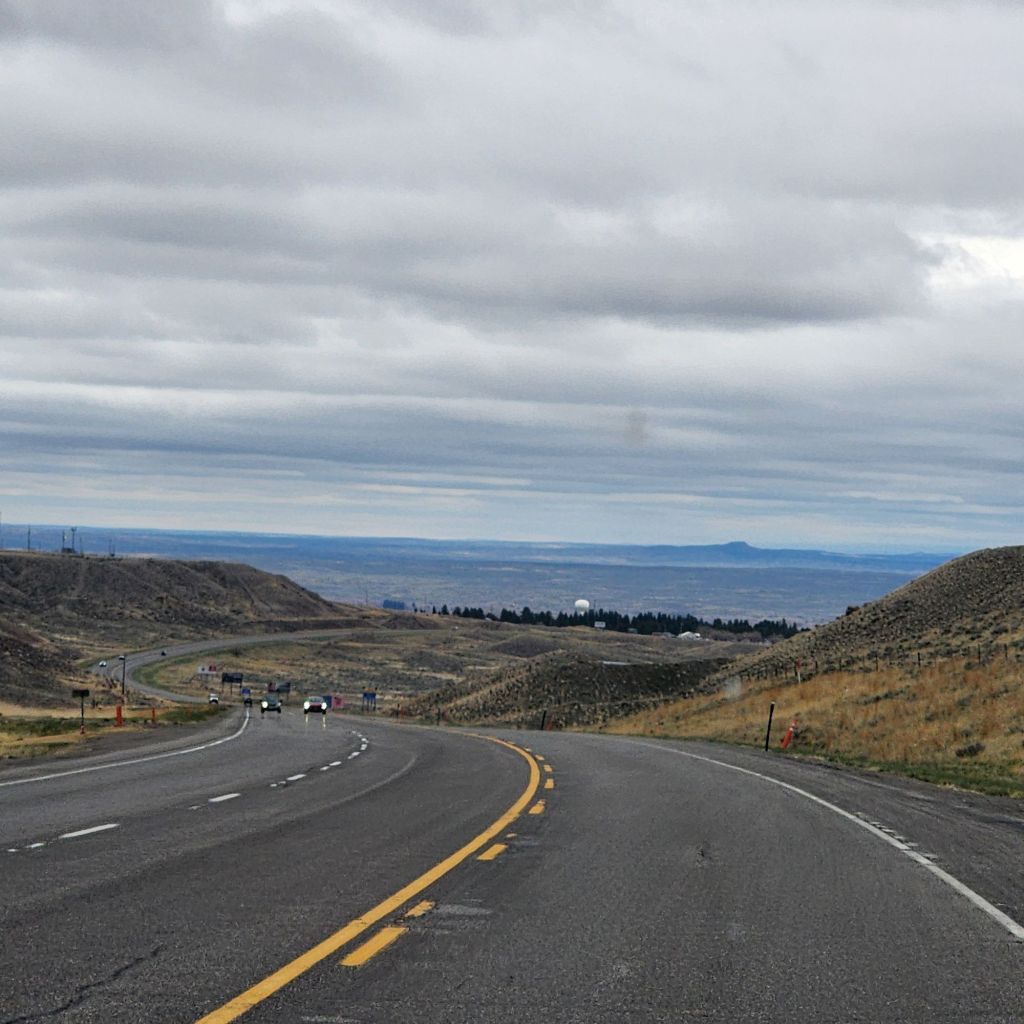
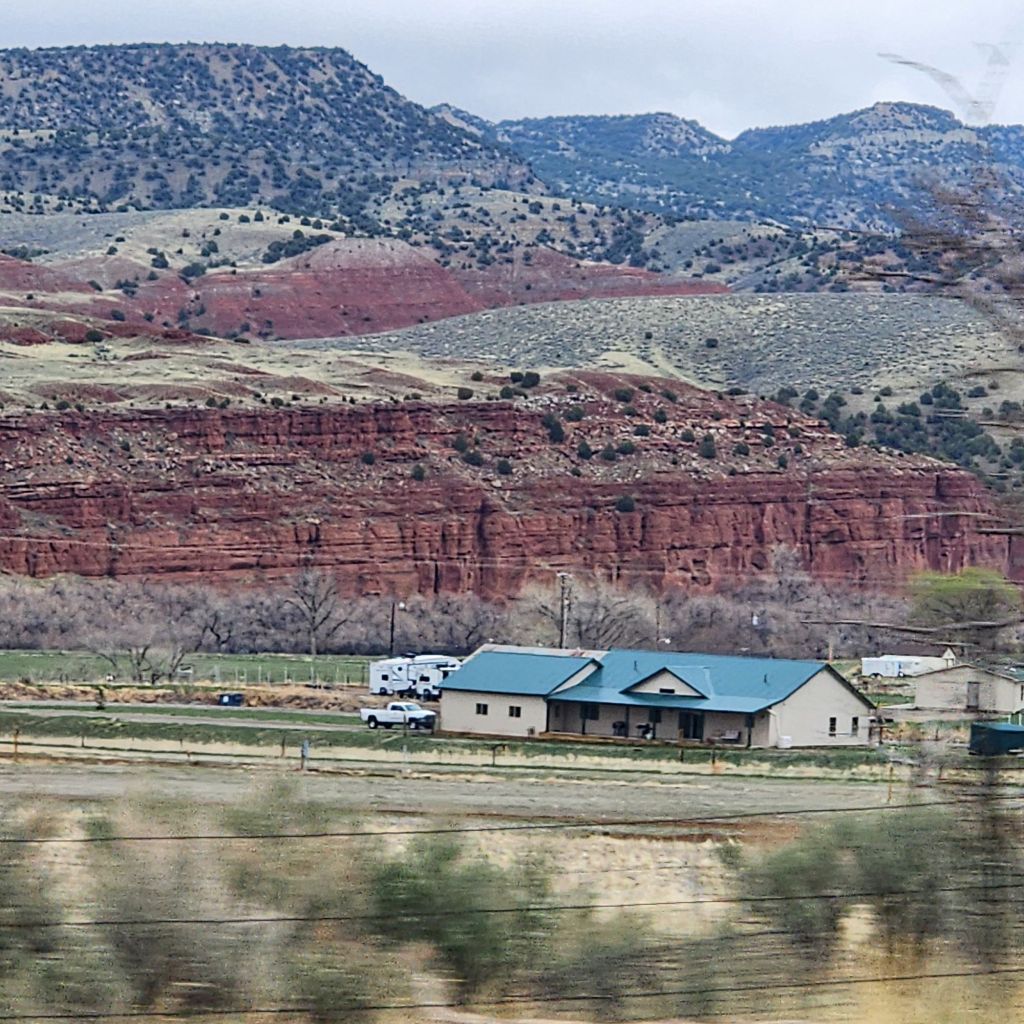
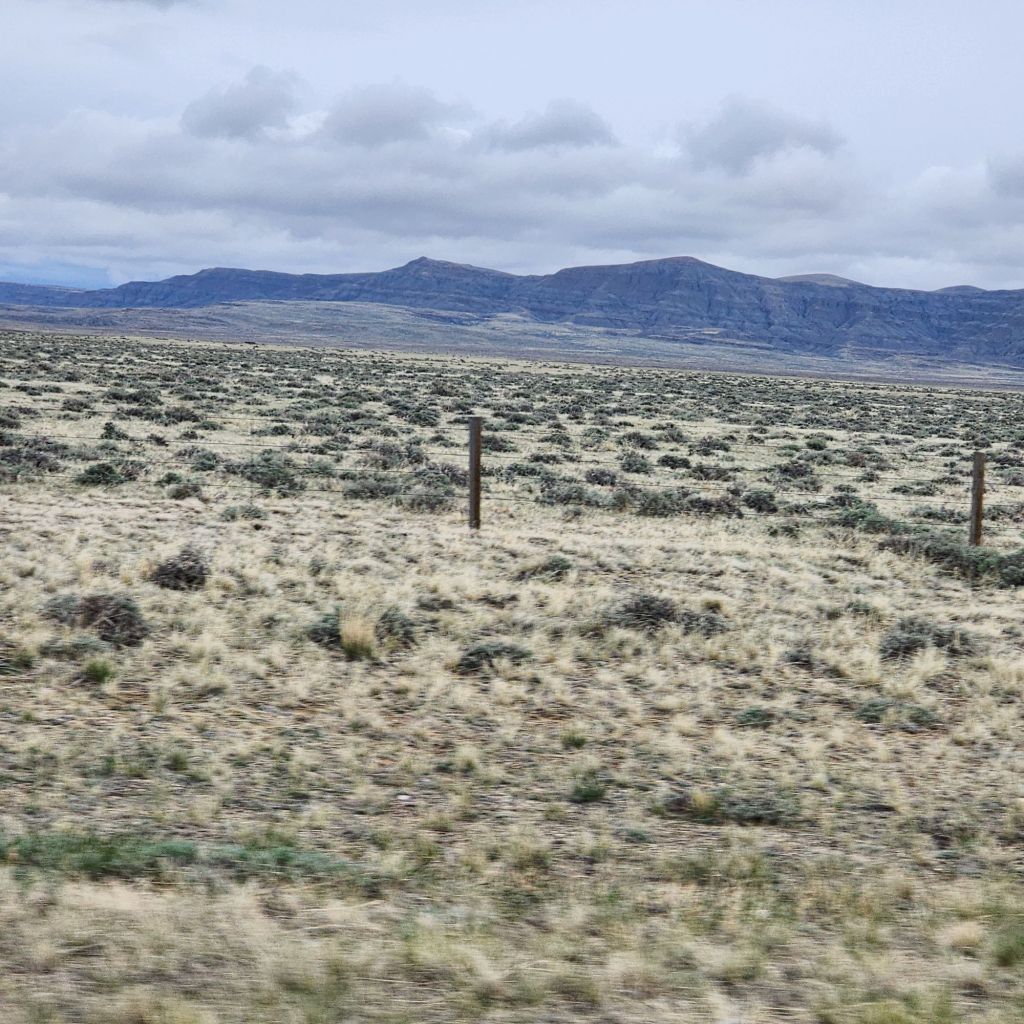
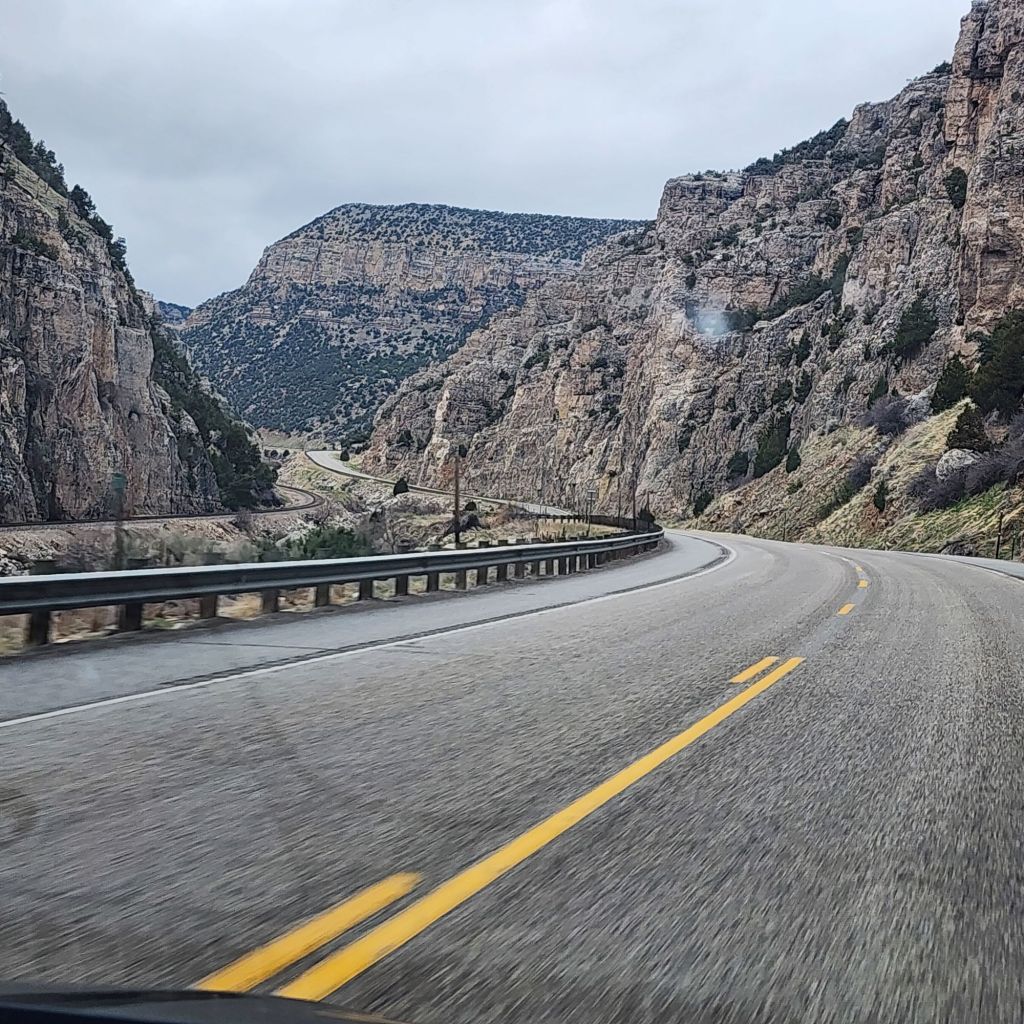
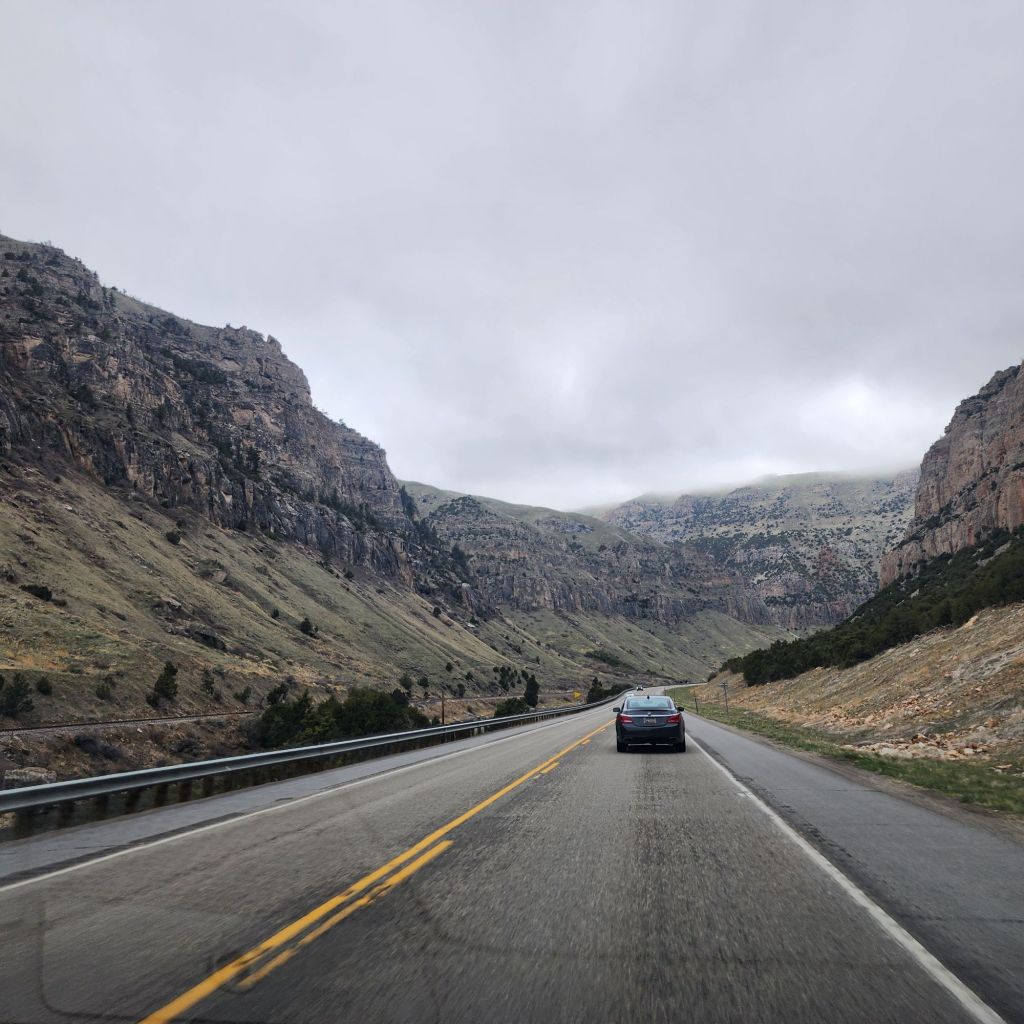
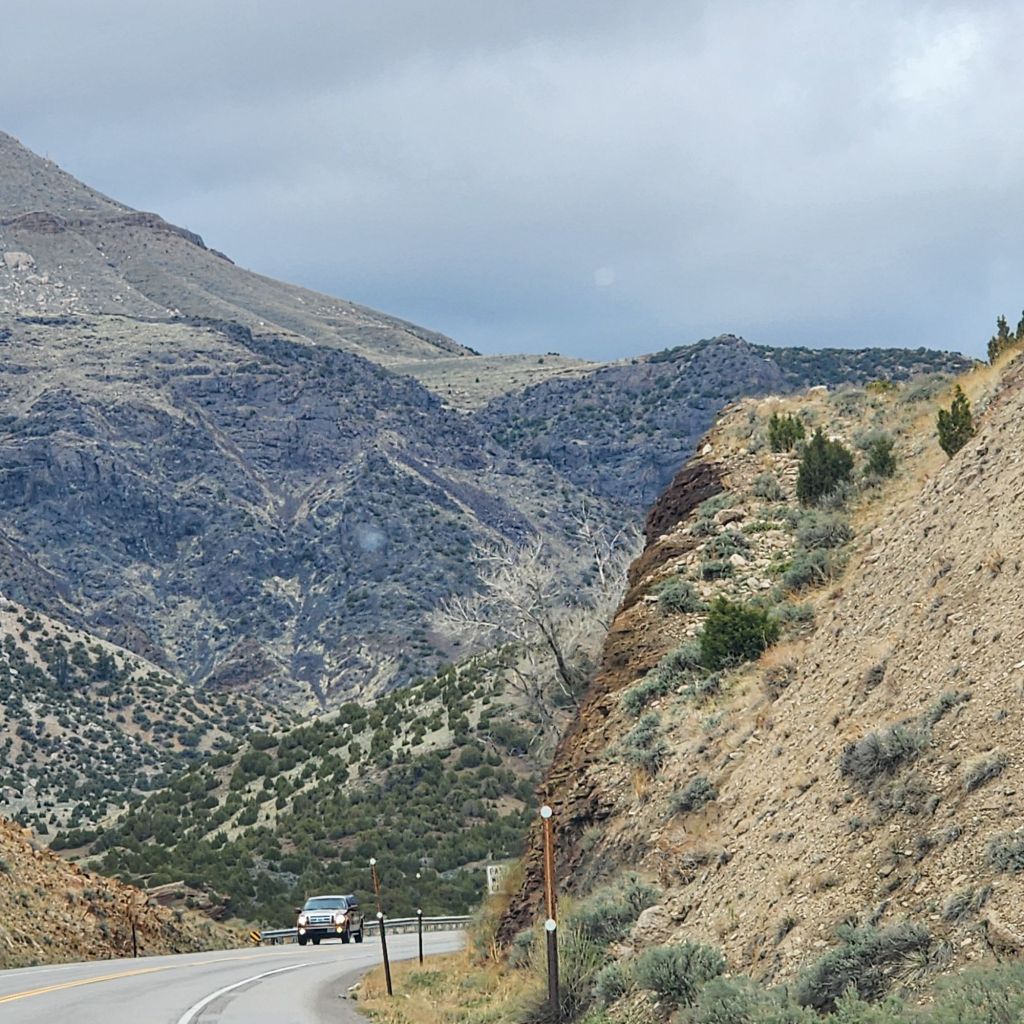
As disappointing as it was that we did not get a good view of the Grand Tetons, our route choice resulted in us driving roads off the beaten path that provided beautiful views in their own right. Since the road from Grand Teton to Yellowstone was closed due to snow we had to drive East across the rest of the Rockies in order to turn North to get to Montana. This took us through beautiful snow covered mountain passes and into the rugged high plains of Wyoming with red rock ranges, winding river valleys and canyons, interspersed with open cattle ranges.
We also crossed the Continental divide next to this unique mountain peak. This peak is named “Two Ocean Mountain” because water that falls on this mountain finds its way to either the Pacific or the Atlantic depending on which side of the peak the water runs.
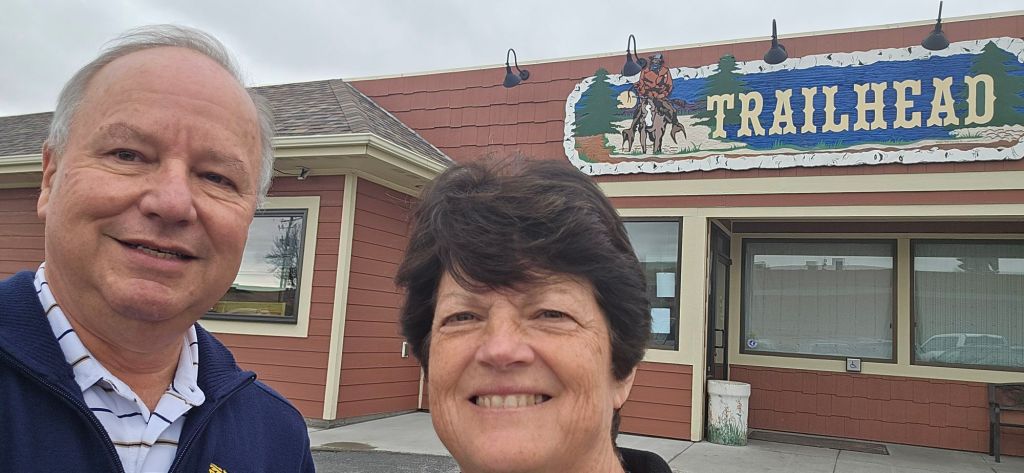
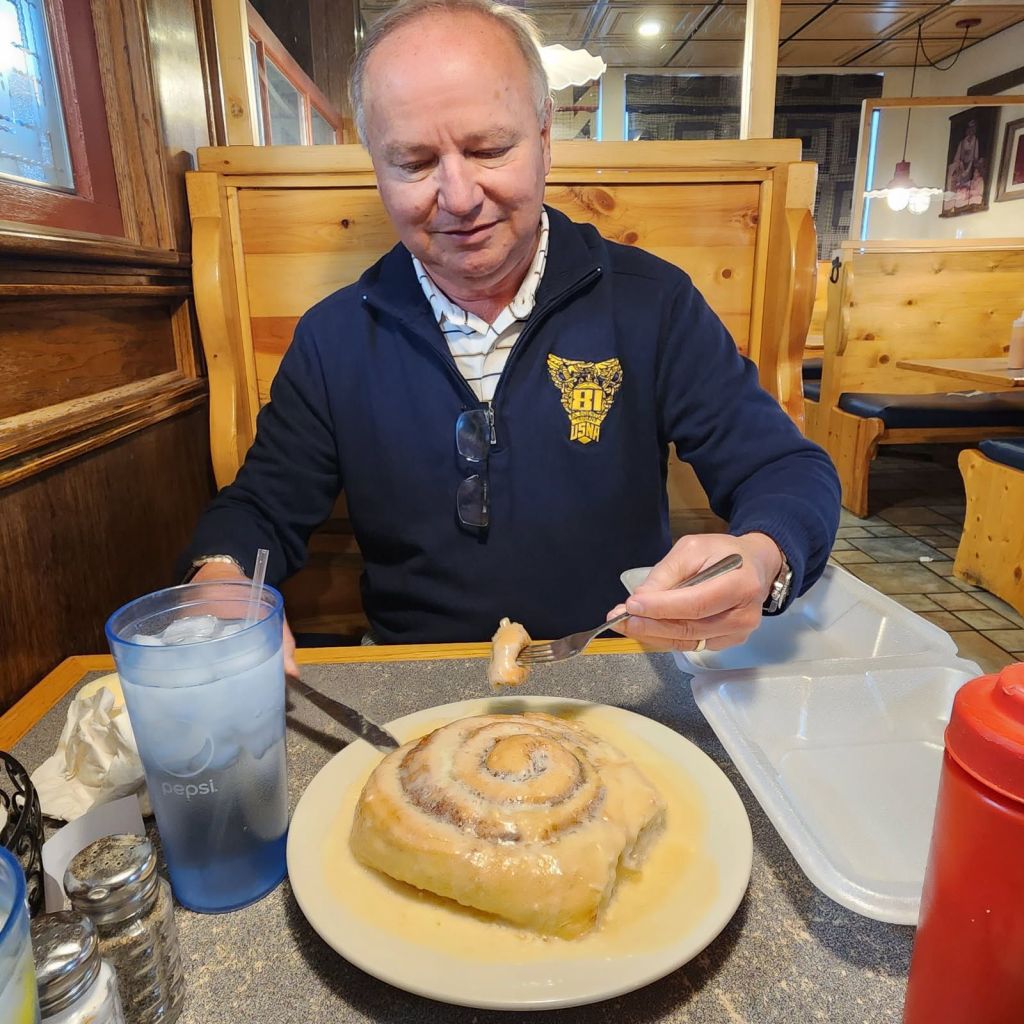
We stopped for brunch at the Trailhead Restaurant in Riverton WY, a small cowboy town in central Wyoming. The cheeseburger was delicious and Mary enjoyed her BLT, but the pinnacle of the meal was their famous fresh-made warm cinnamon roll. This roll was huge, filling a normal sized dinner plate. Suffice it to say we took most of it with us in a take-out box to finish over the next few days.
Following brunch we continued north to Montana through the rugged canyons, river gorges, and open plains until we reached Miles City for a good night sleep.
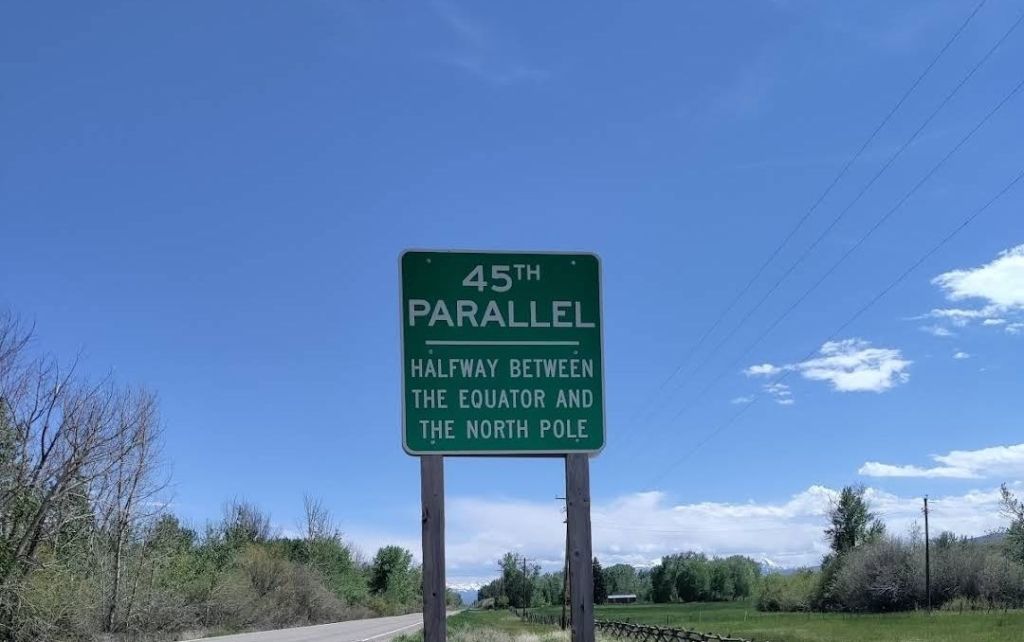
We departed La Grande OR under clear blue skies. About 25 minutes south we passed a sign on the road that stated “45th Parallel – halfway between the Equator and North Pole”. This is the first time I’ve seen a sign like this though I know I have crossed that parallel several times in my travels. I suppose the DOT ran out of other interesting points of interest and still had budget for signs.
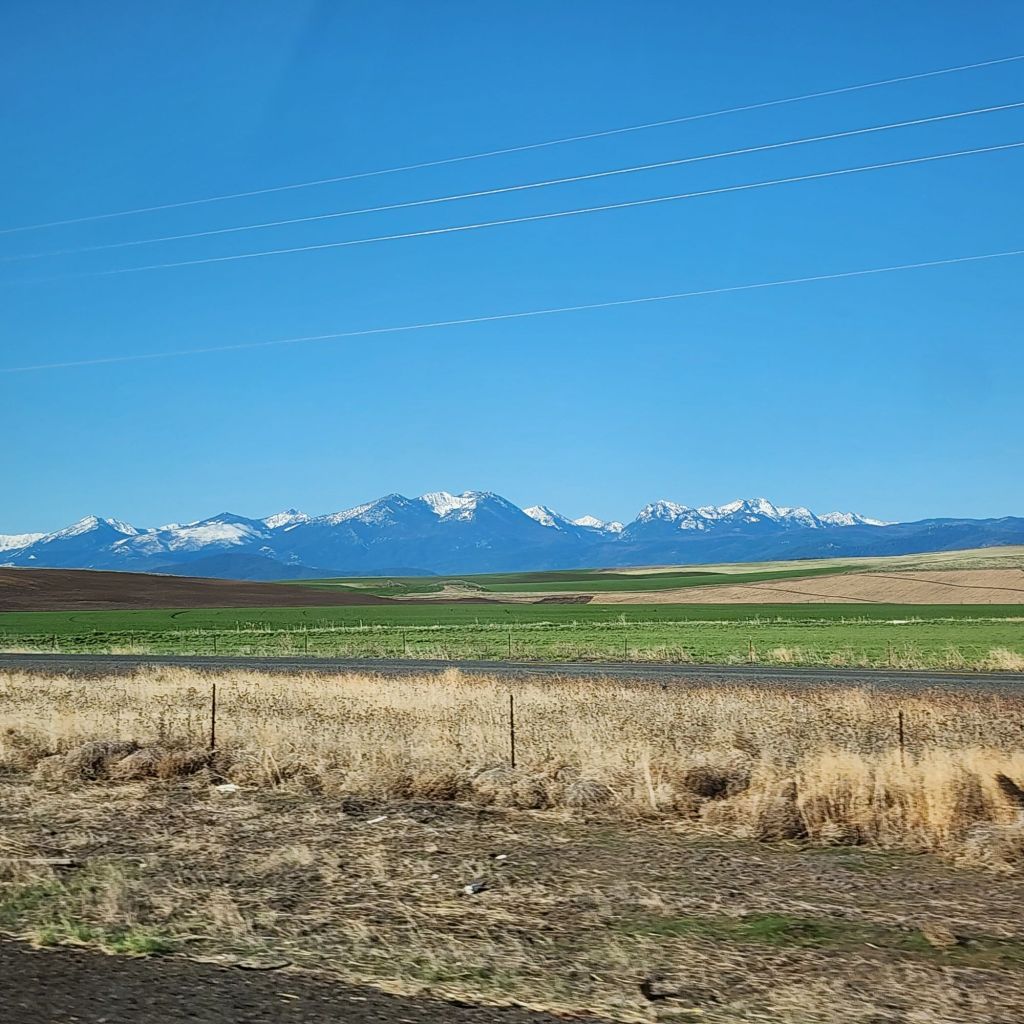
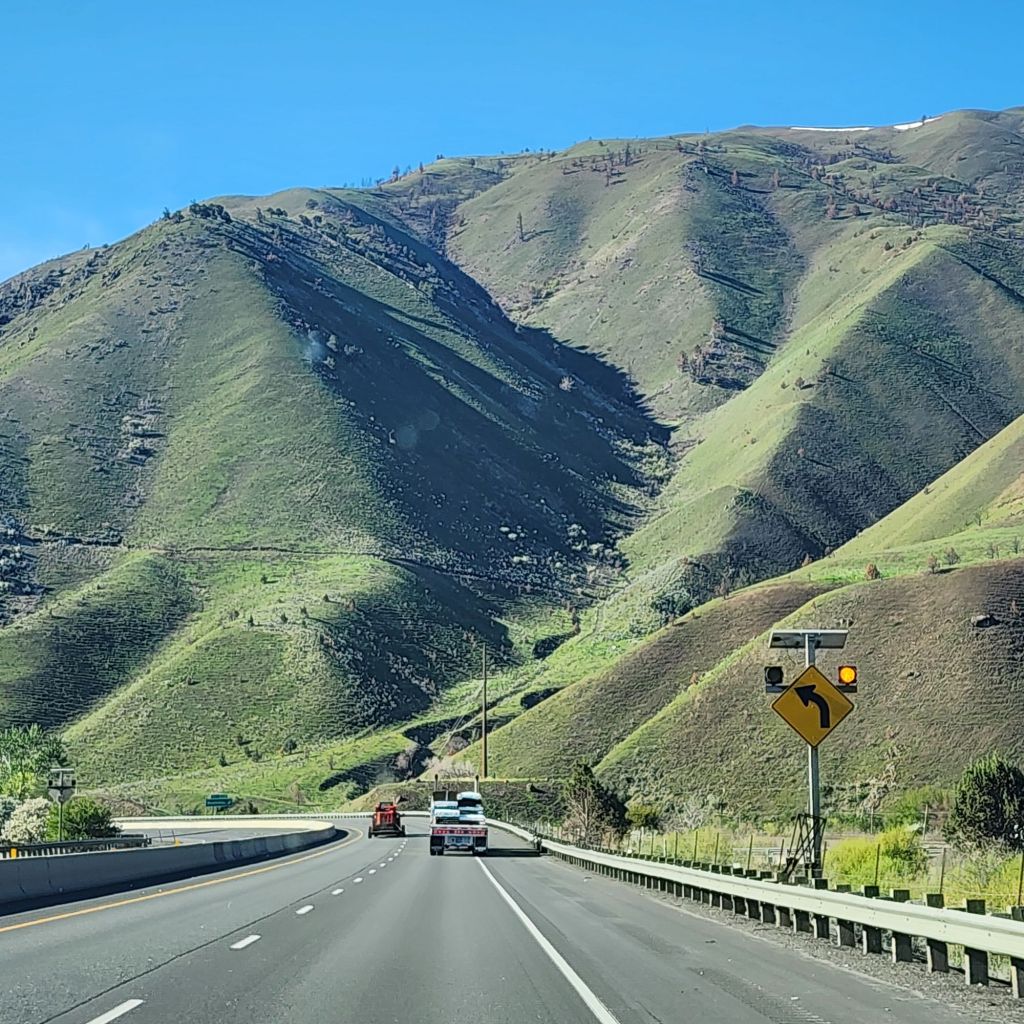
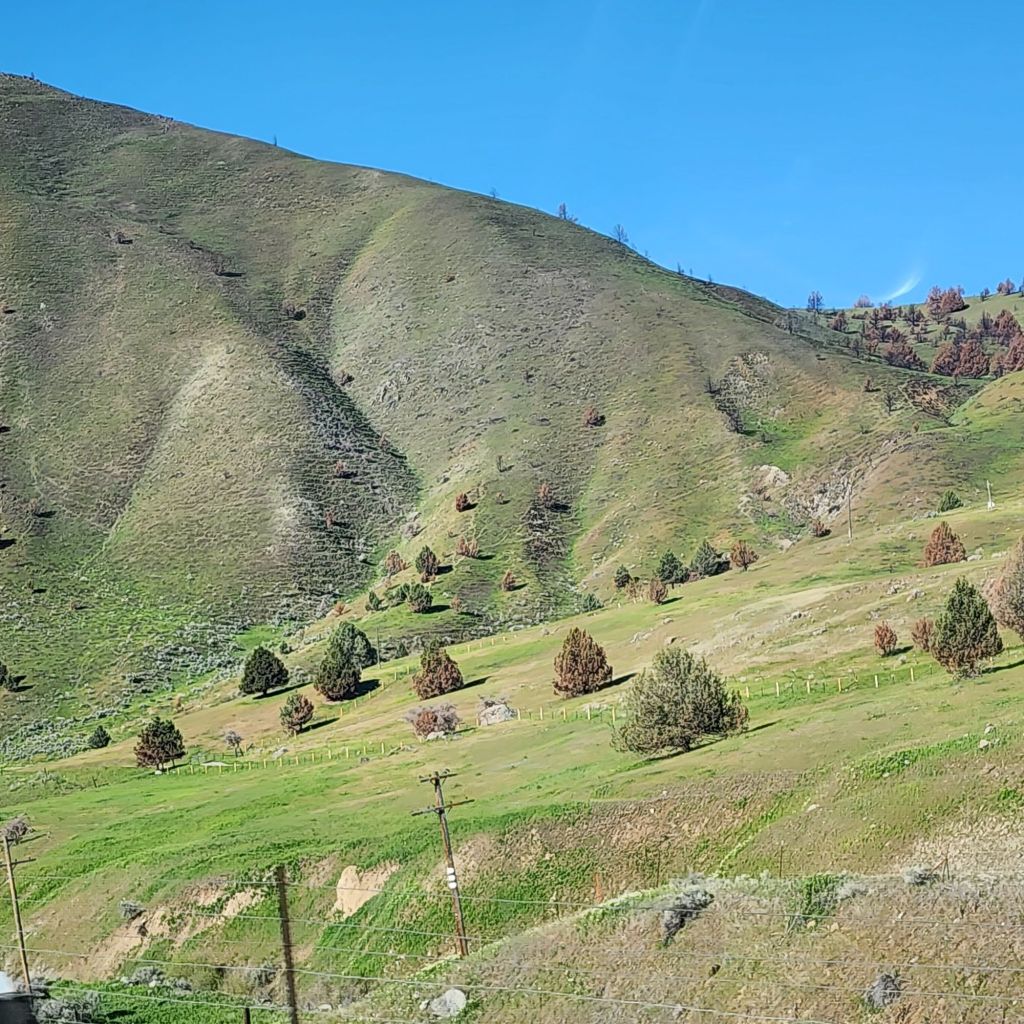
La Grande is situated in a high mountain valley, surrounded by mountains on all four sides. The most impressive were of course the snow-capped rockies to the east – the direction we were headed. Although we could see them, they were still far off as we travelled through fertile valleys through Eastern Oregon and Idaho. Most of the foothills were devoid of trees.
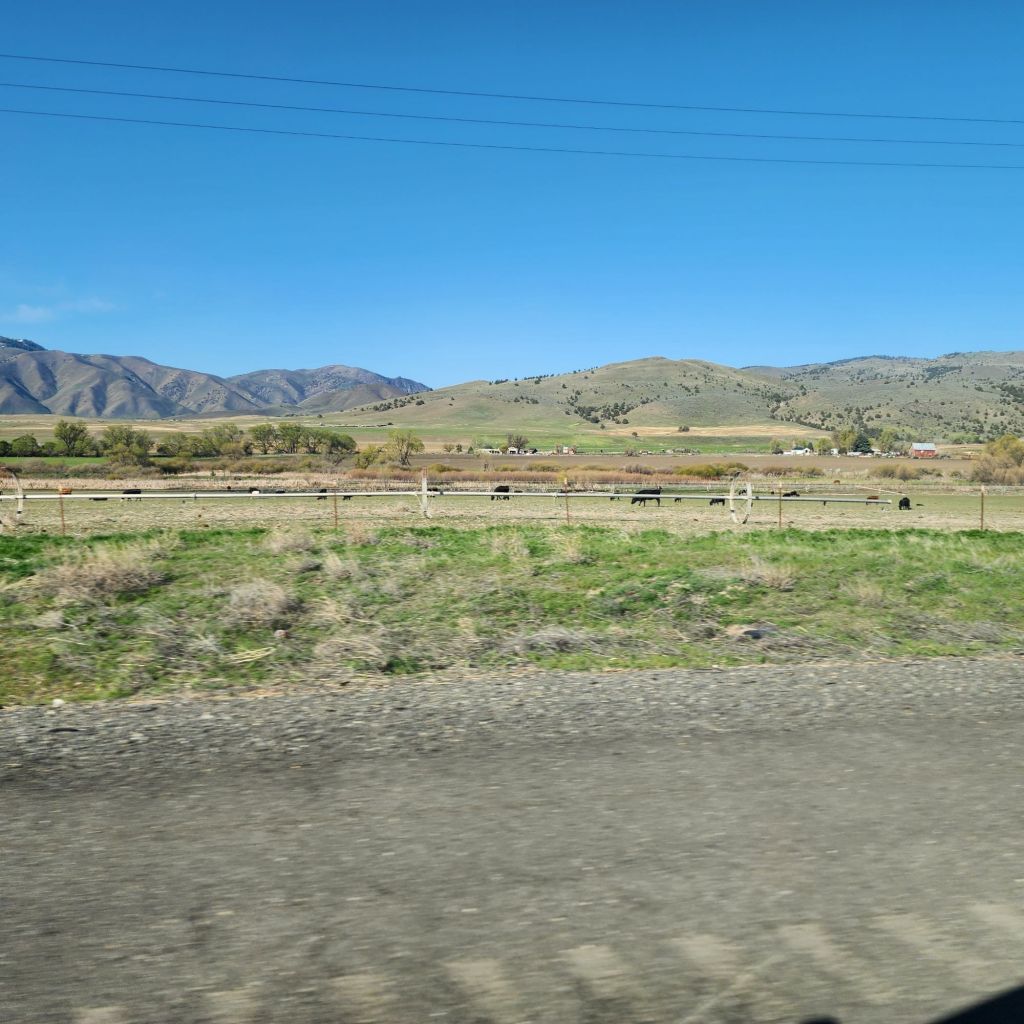
Before reaching Idaho we shifted into Mountain time and lost one hour. The landscape became much drier except near the creeks and rivers.
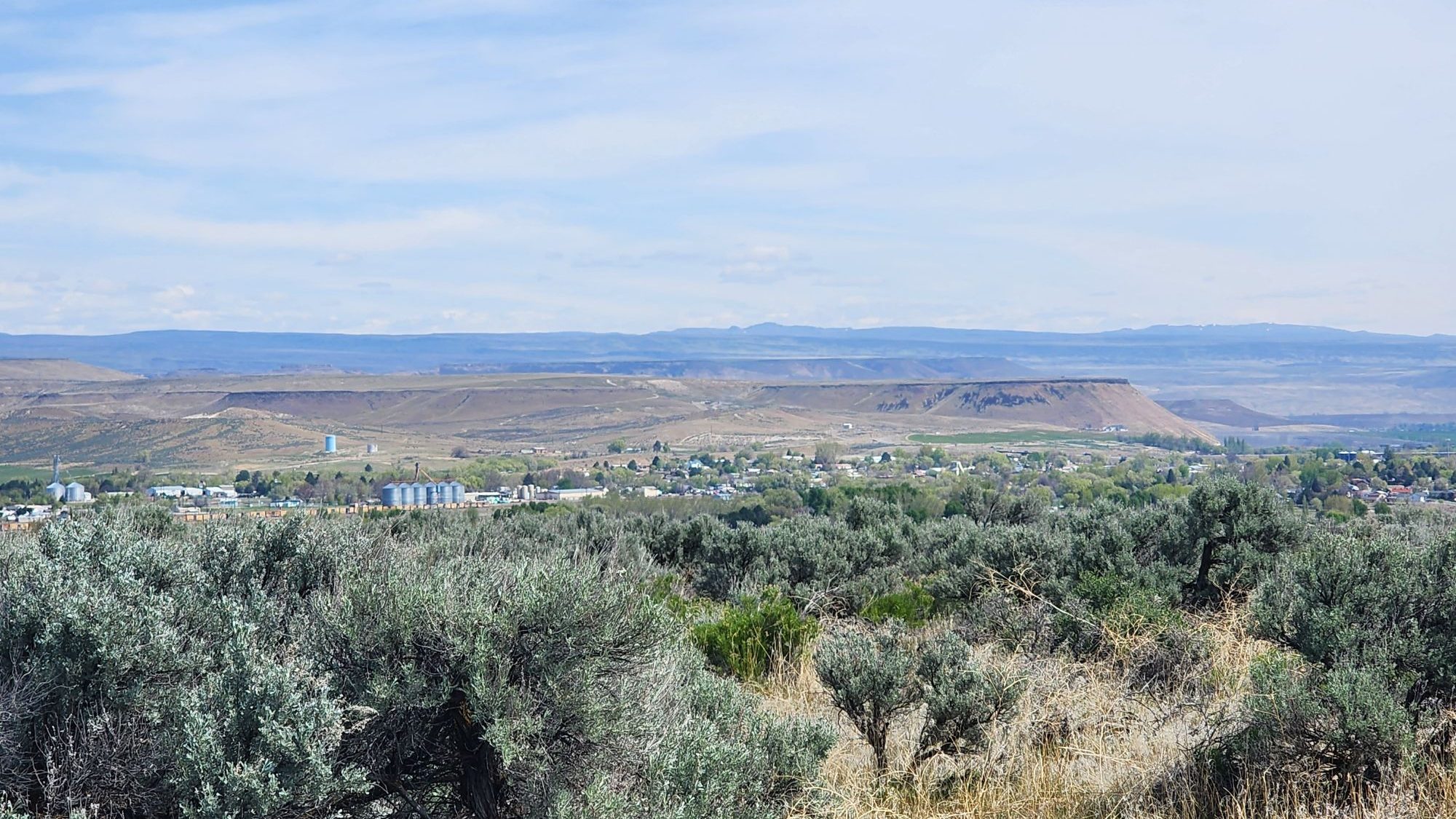
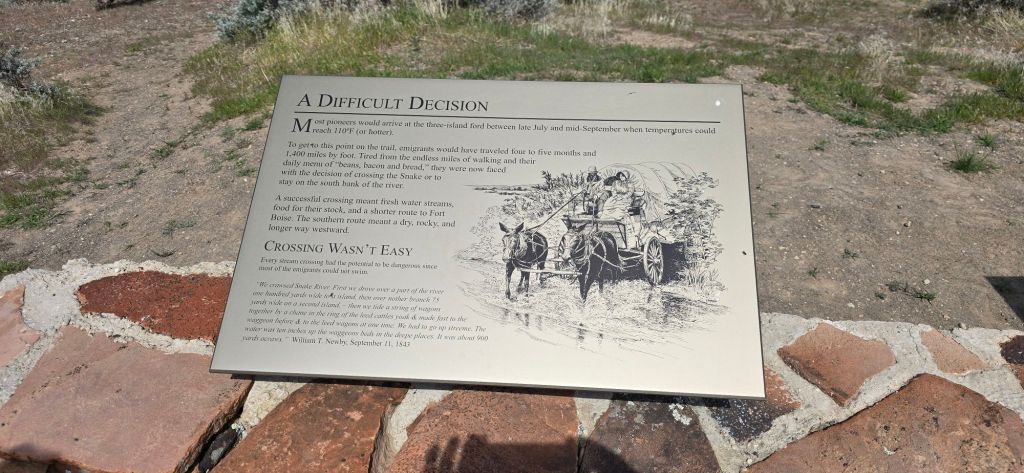
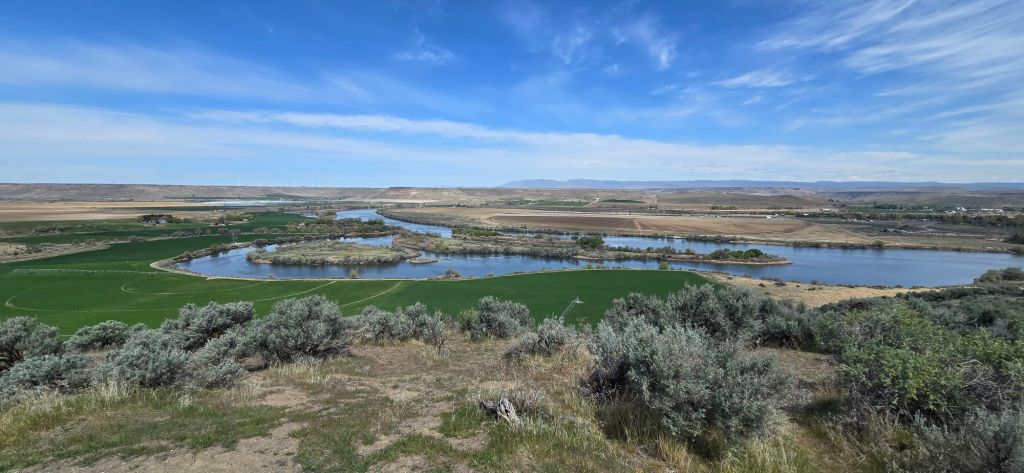
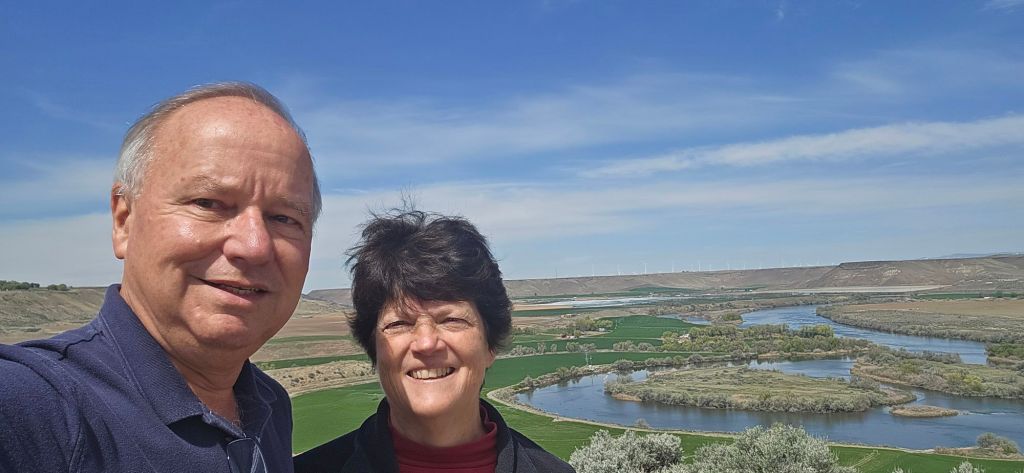
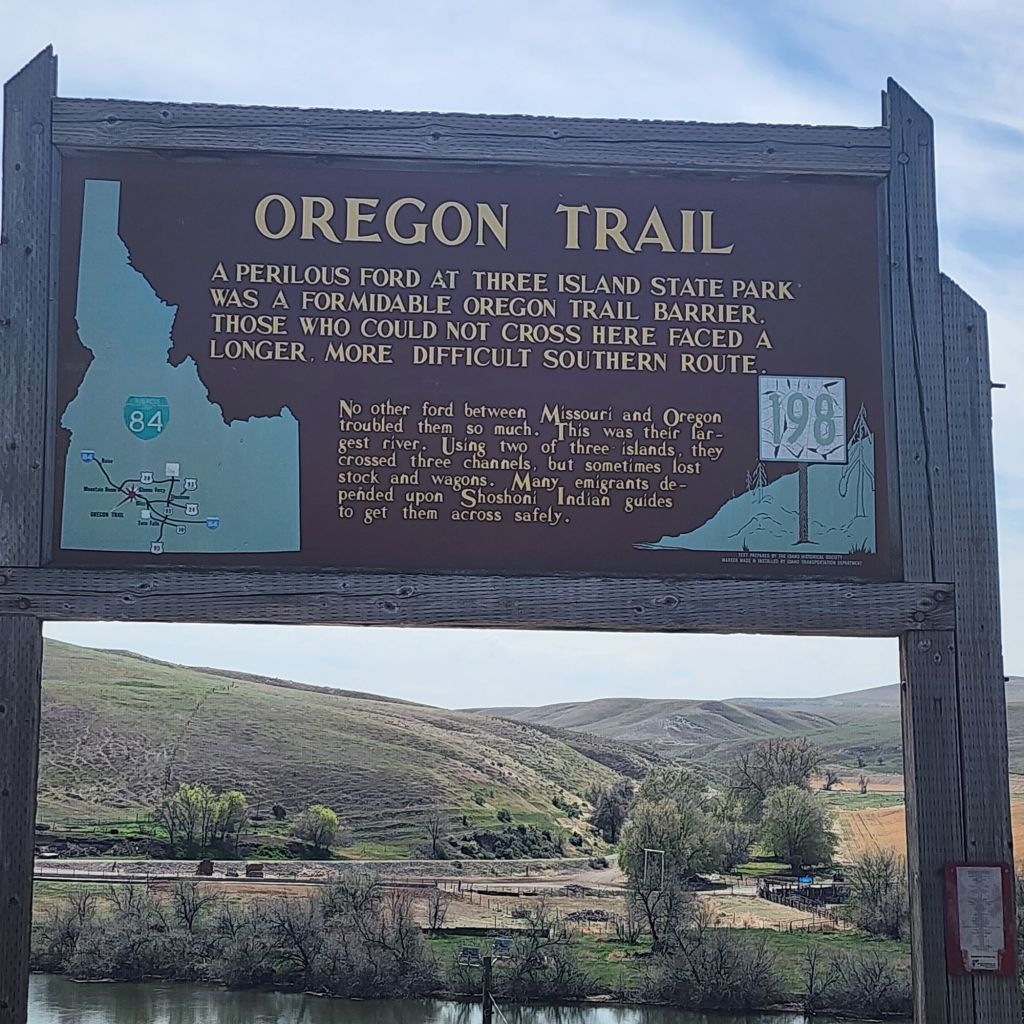
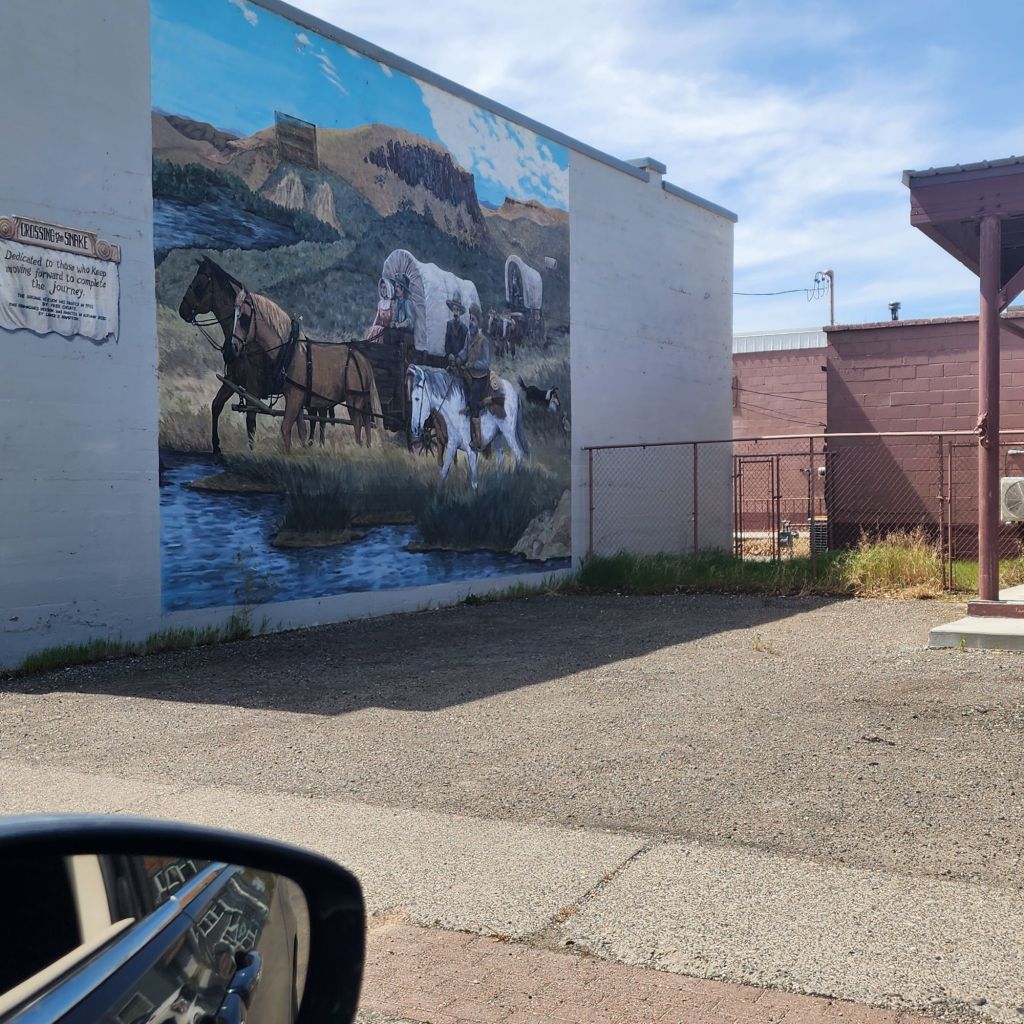
For our picnic lunch we decided to check out a historical site called the Three Island Crossing State Park along the Snake River in Idaho. This is the site where Pioneer settlers in wagon trains on the Oregon trail were faced with a decision to either risk crossing the Snake River from the south bank to the north bank where there was plentiful water and grass for livestock or remain on the south side of the river with dry, dusty conditions and little grass. When the Snake River was low, the crossing was fairly easy. But if attempted when the river was swollen from rain a wagon could tip and wash away carrying the pioneers belongings and sometimes losing their life. From 1841 to 1848 about 300,000 settlers made the Three Island Crossing in oxen-pulled wagons.
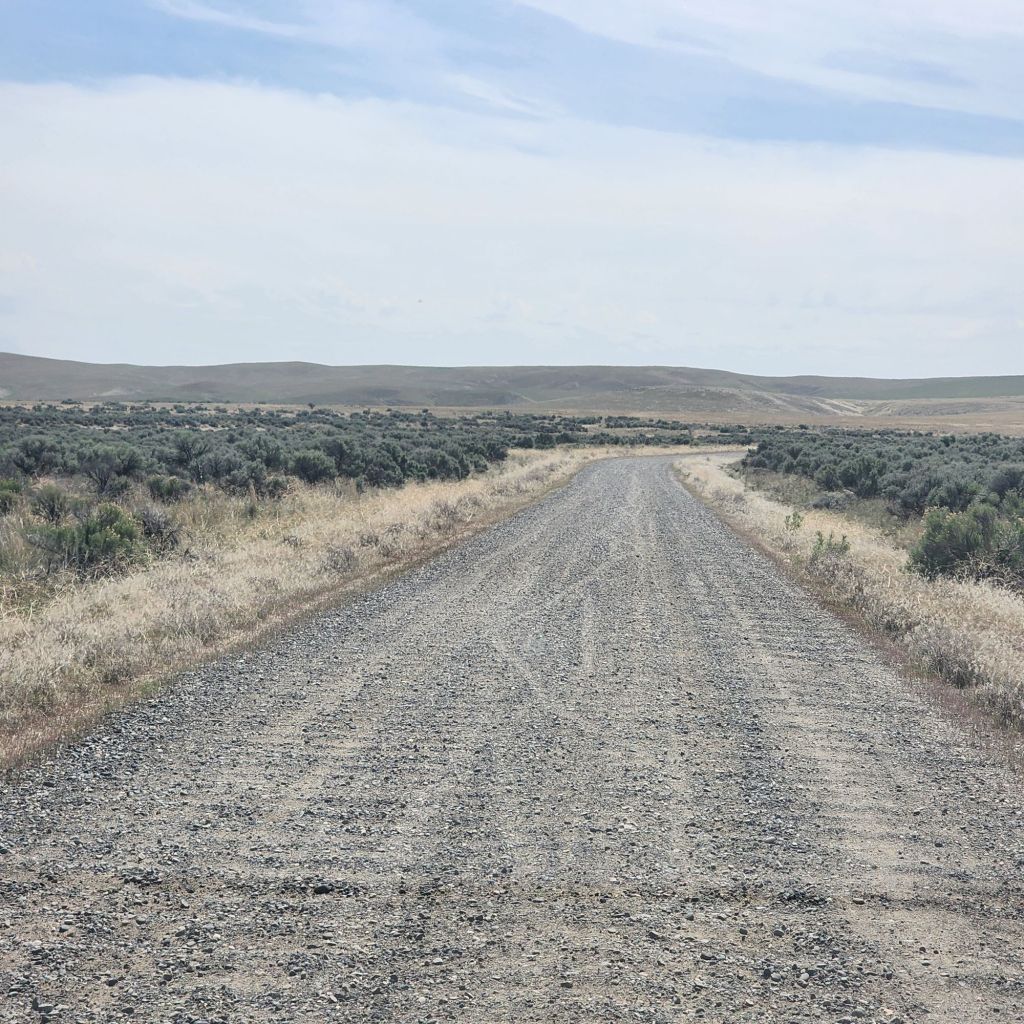
The state park is on the north side of the river, but we found that there is an overlook on the south bank bluff that gives a great view of the Three Island Crossing. However, to reach the overlook we had to drive dirt roads very similar to the ones used by the settlers.
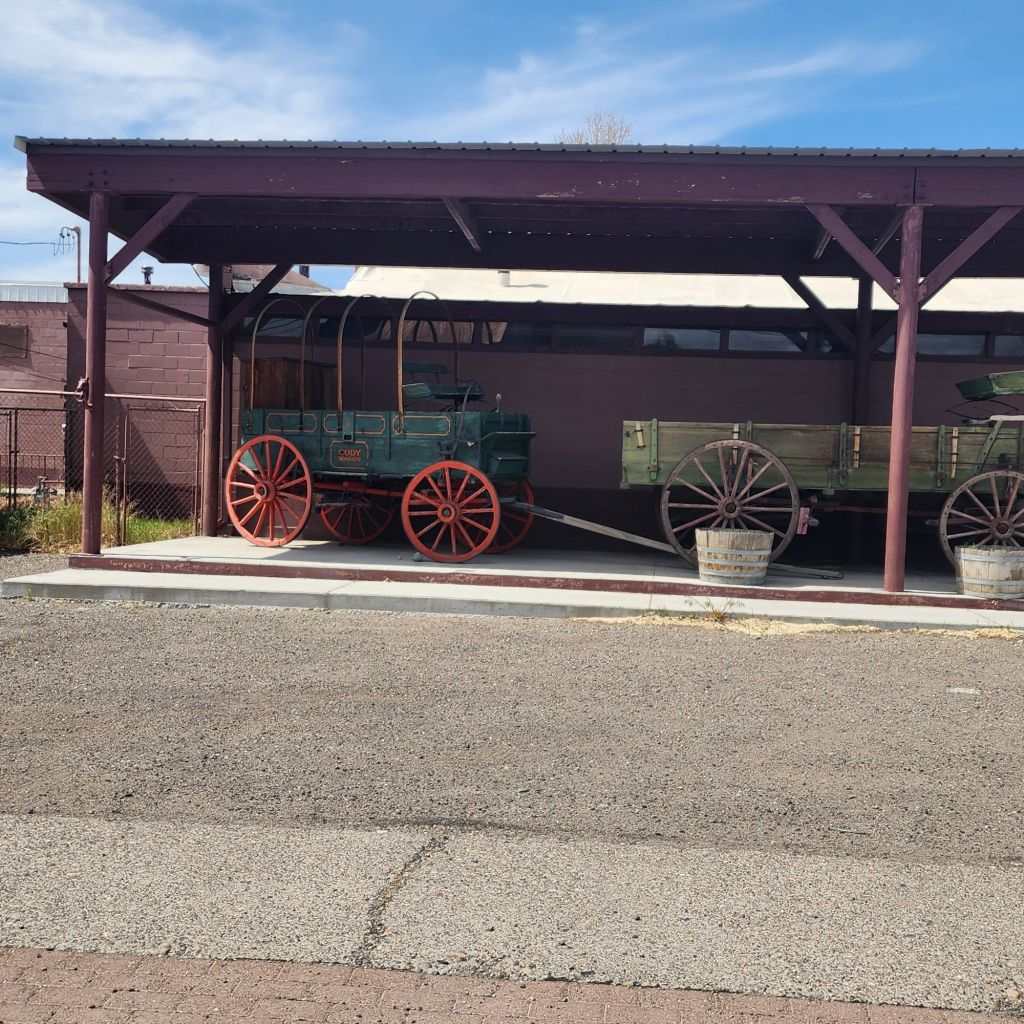
The visitor center in the tiny town of Glenns Ferry provided more history and had an actual prairie schooner wagon on site. In 1869 Gus Glenn established a ferry service two miles upstream which made the crossing much safer for travellers. The Town was named for Gus.
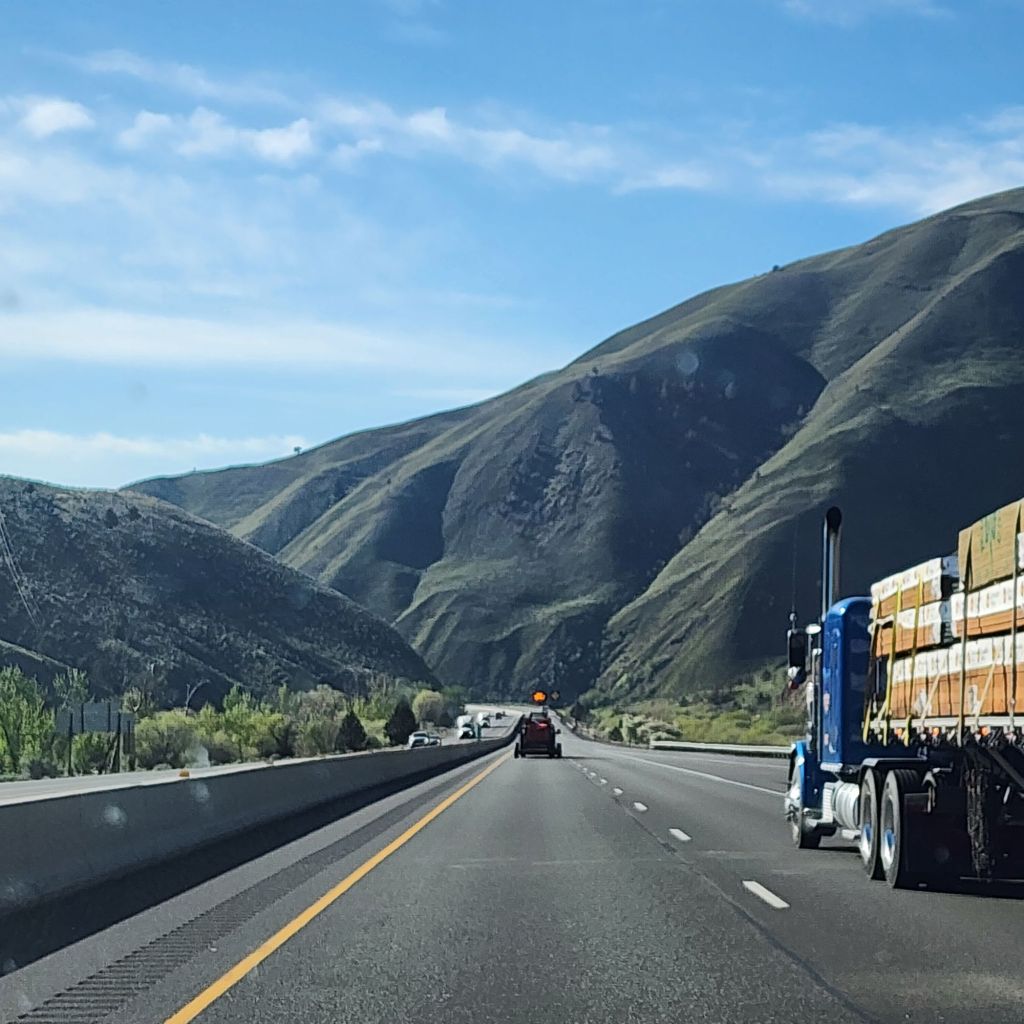
After lunch we pushed on toward the Rockies and Wyoming. The terrain shifted from cattle ranges to rugged foothills as we approached the Rockies. At Swan Valley we took Pine Creek Road across the Targhee National Forest to the town of Victor, then Route 22 through Teton Pass to Jackson WY. Both of these passes were filled with snow though the roads were clear and dry. Unfortunately the skies became cloudy raising concerns for our trip through the Grand Teton National Park tomorrow.
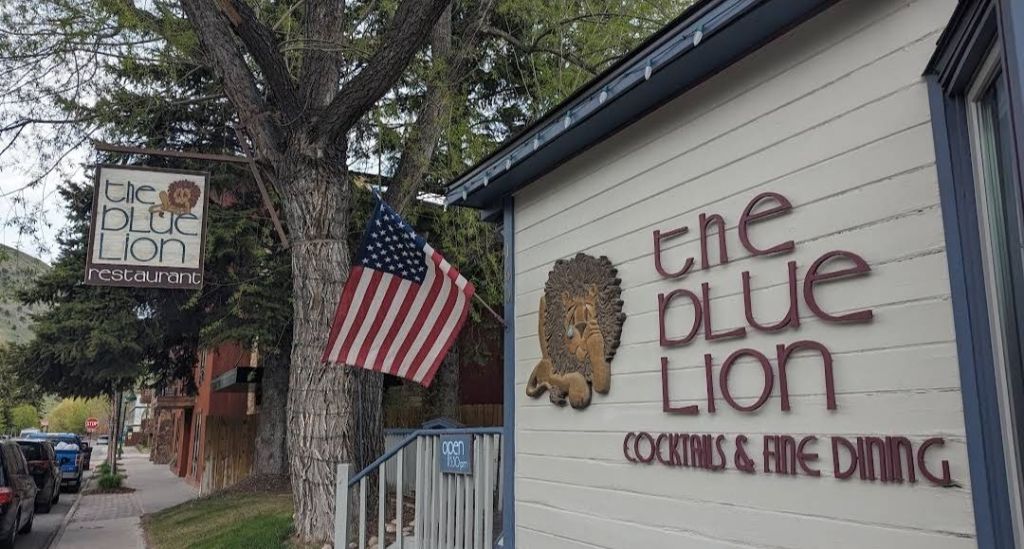
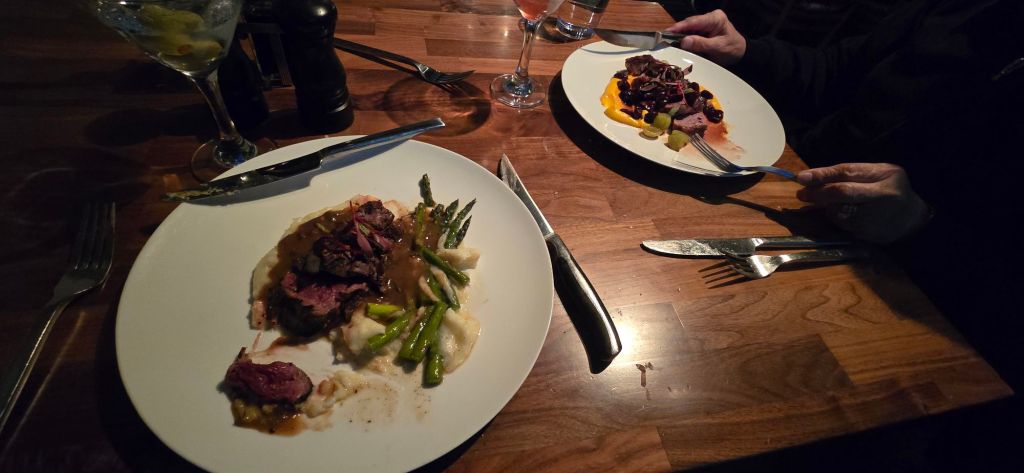
We reached Jackson in time for dinner and walked to the Blue Lion Restaurant just down from our Hotel. This was a fabulous selection. I ordered the Elk Tenderloin and Mary had the roasted duck.
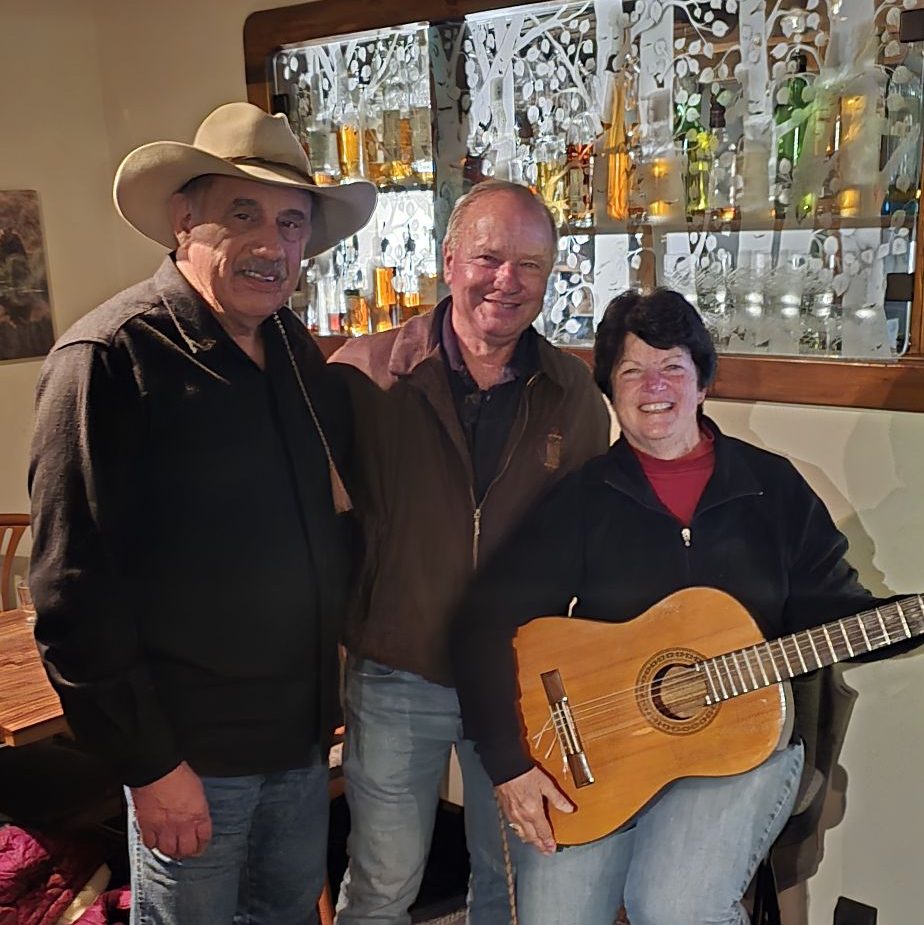
Both of these selections were fabulous and our meal was accompanied by a live guitarist cowboy playing softly nearby. After we finished our meal, I tipped the cowboy and he immediately engaged us in conversation and stories (as cowboys are known to do). His name is Marco and he plays for tips almost every night at the Blue Lion. He essentially retired and decided he wanted to be a cowboy, so he taught himself to play guitar and moved to Jackson since he had family in Cody WY. He has met many celebrities in the Blue Lion and said one night he saw Reba McIntyre come in incognito. He began playing one of her songs and she loved it so much she got up and sang the song much to the surprise of the other patrons who had not recognized her. Marco insisted that Mary hold his guitar for the picture because that is what Reba did after she sang. If you go to the Blue Lion, tell Marco we said hello.
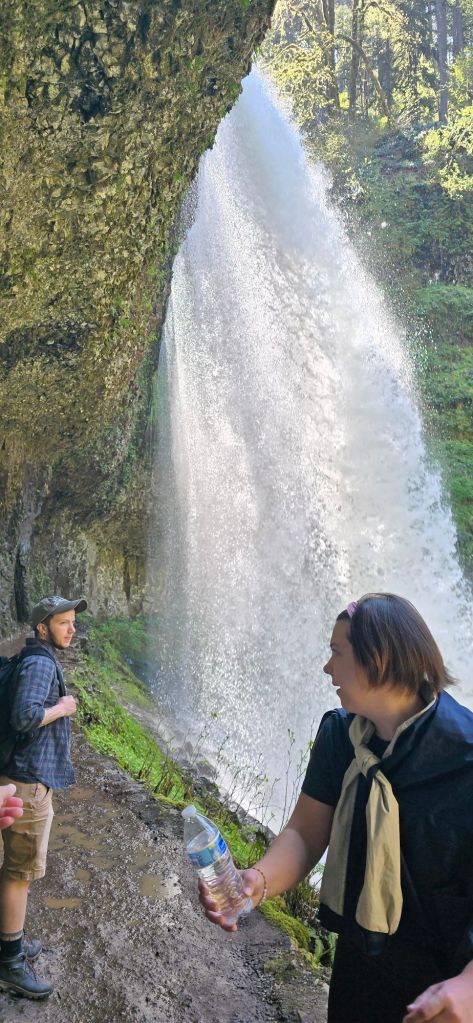
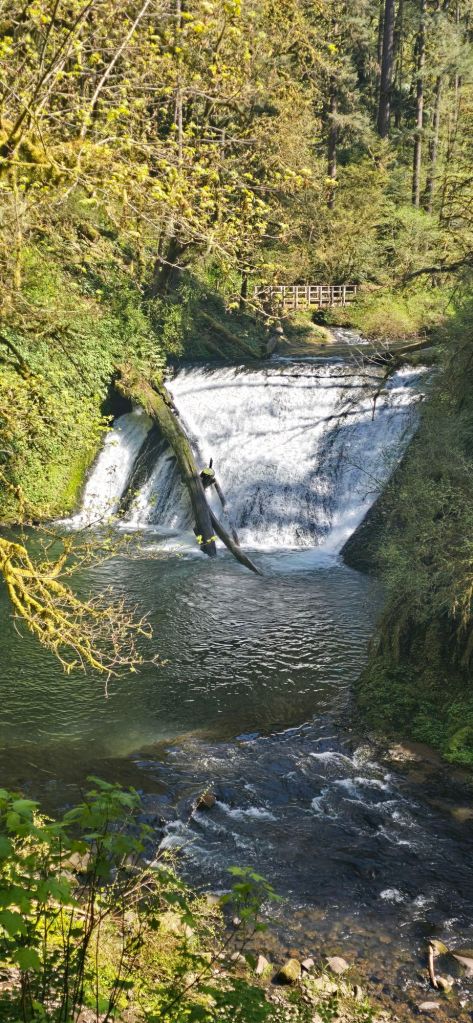
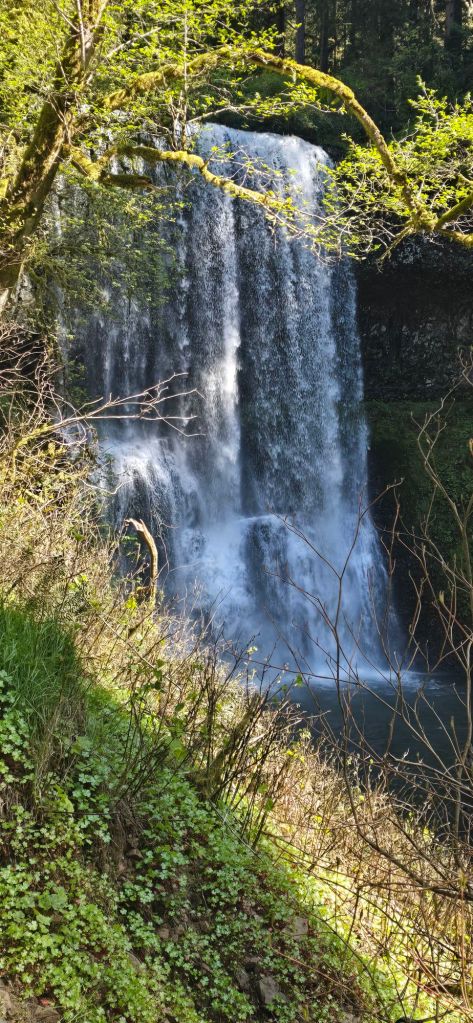
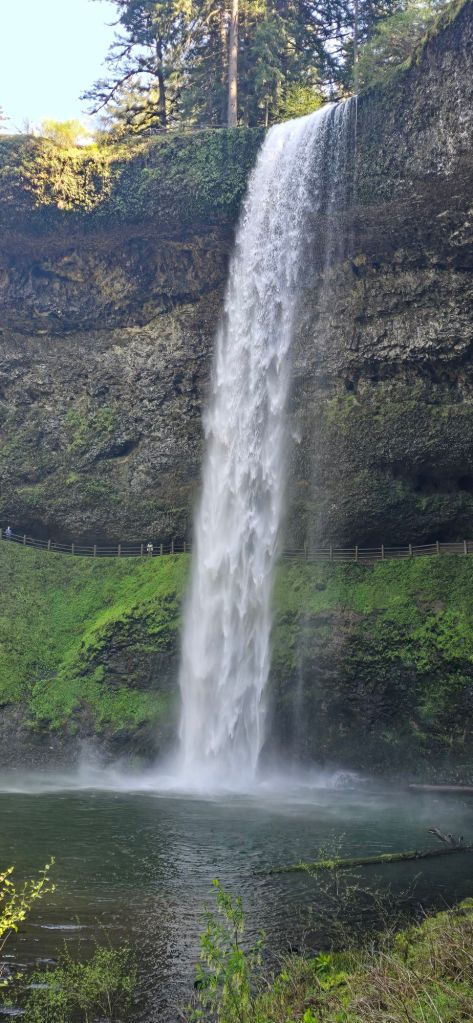
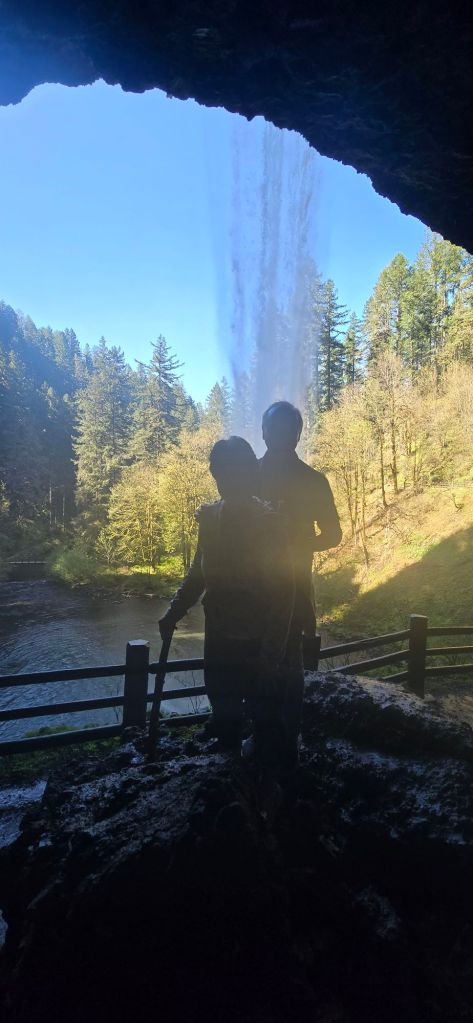
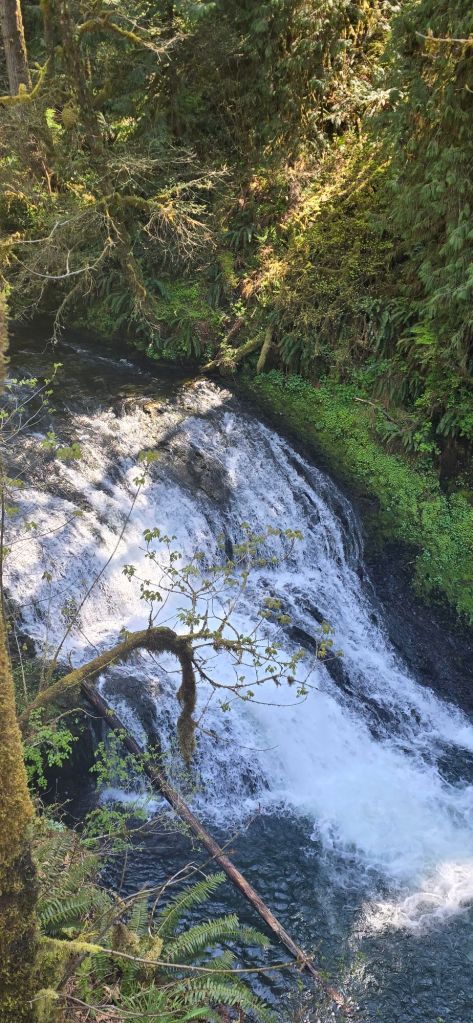
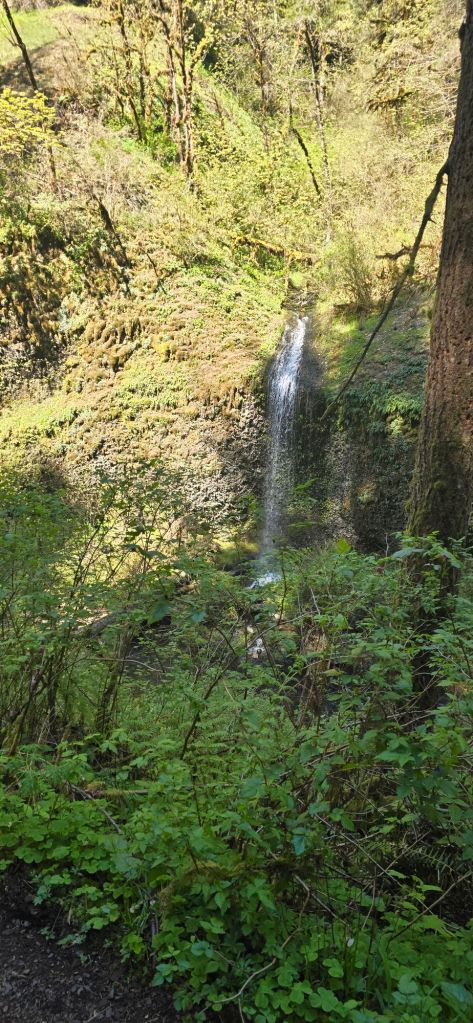
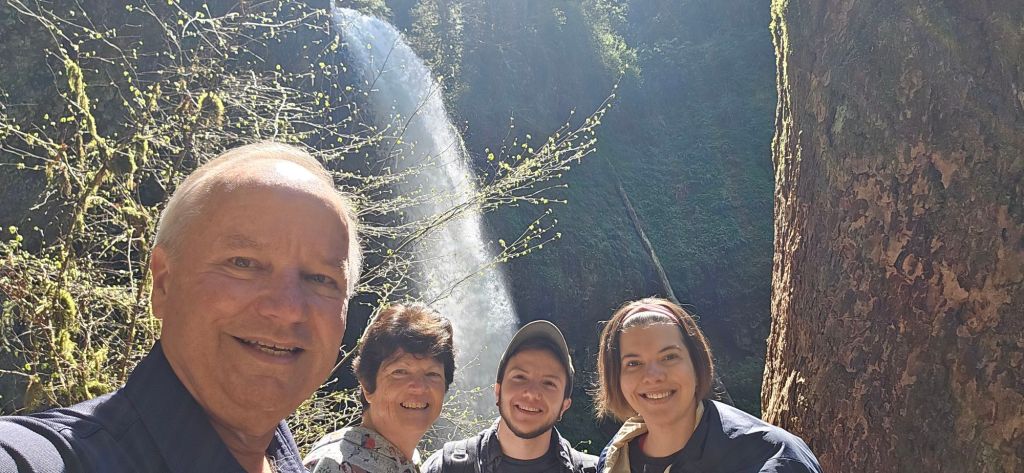
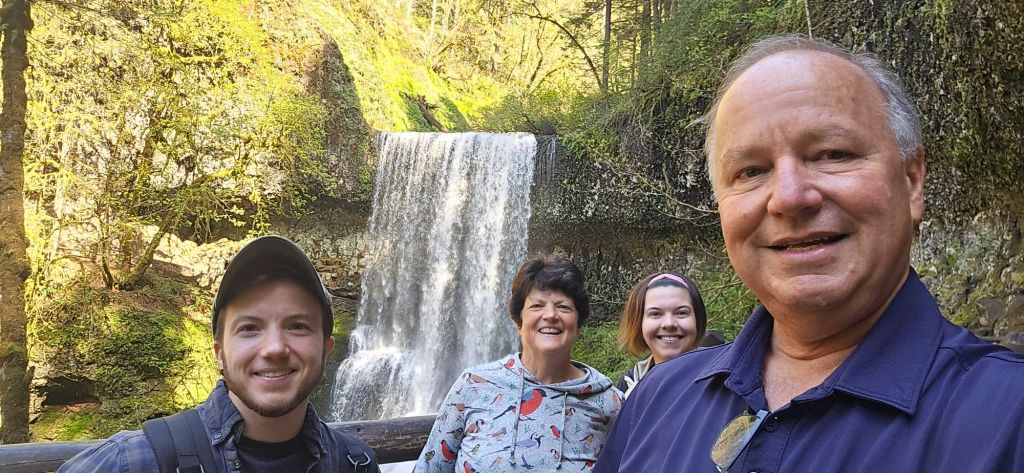
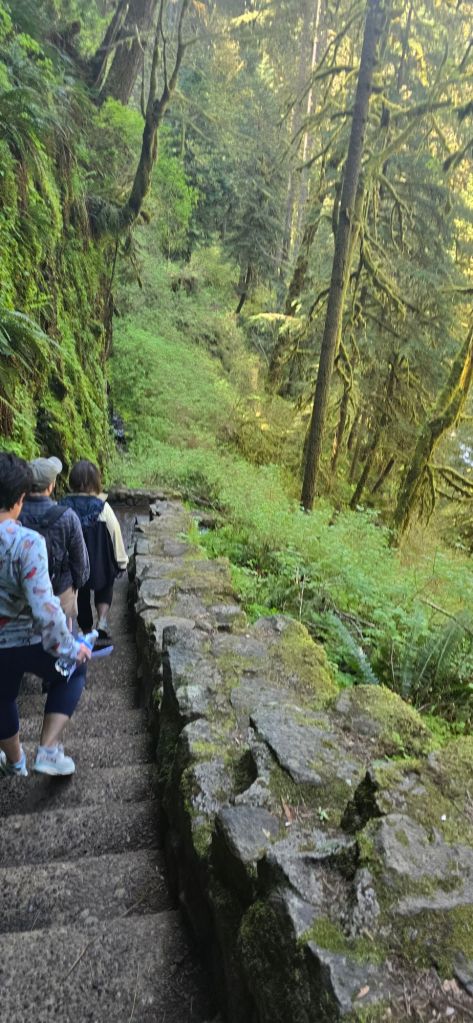
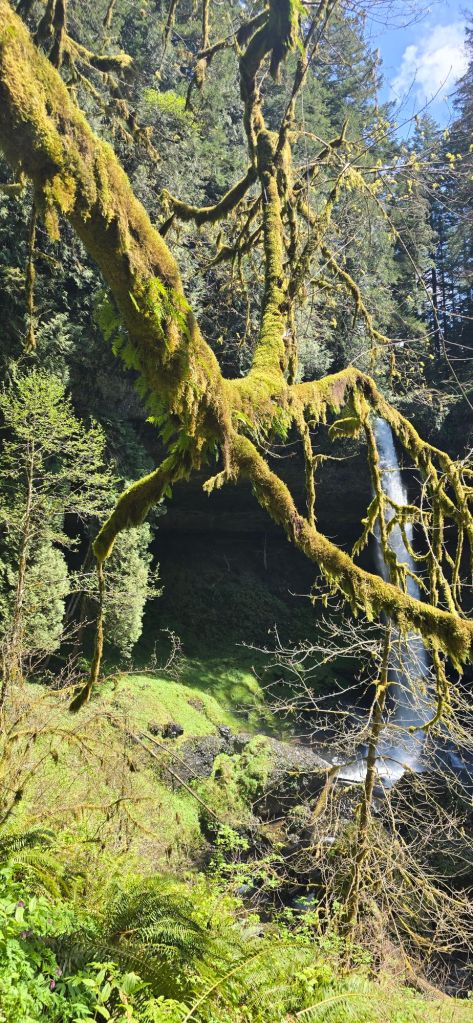
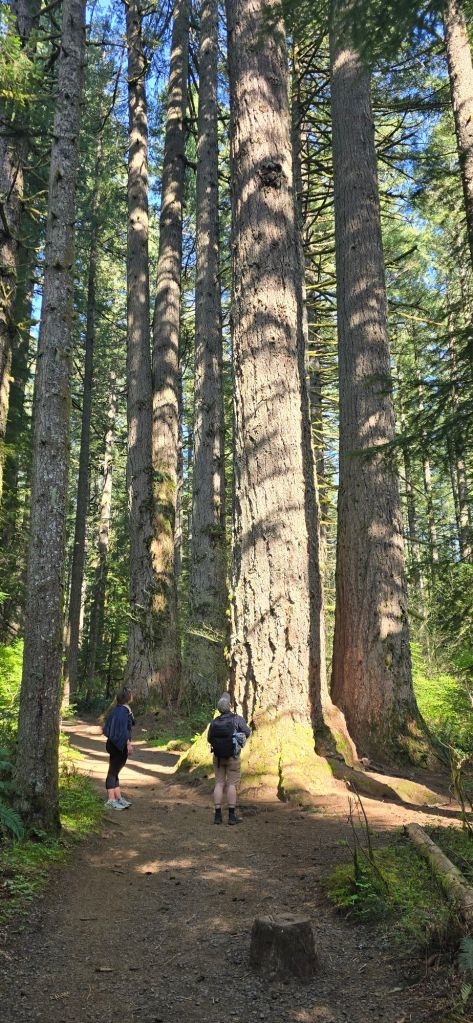
We originally planned to leave Salem early Tuesday morning to begin our trip back to North Carolina. However, we altered our plans when AJ and Soyer asked us to join them on a hike at Silver Falls State Park about 30 minutes east of Salem. Silver Falls is famous for the number of astonishing falls in the park. One trail is named 10 Falls trail which is a 7.5 mile loop trail that goes around 10 waterfalls on Silver Creek North and South Fork. We departed Salem and Met AJ and Soyer just after lunch to begin our hike. The change was definitely worth it! Silver Falls State Park is a hidden gem in Oregon and a must see for any waterfall lover. THis trail actually goes behind four of the falls, providing the unique opportunity to see the backside of water!
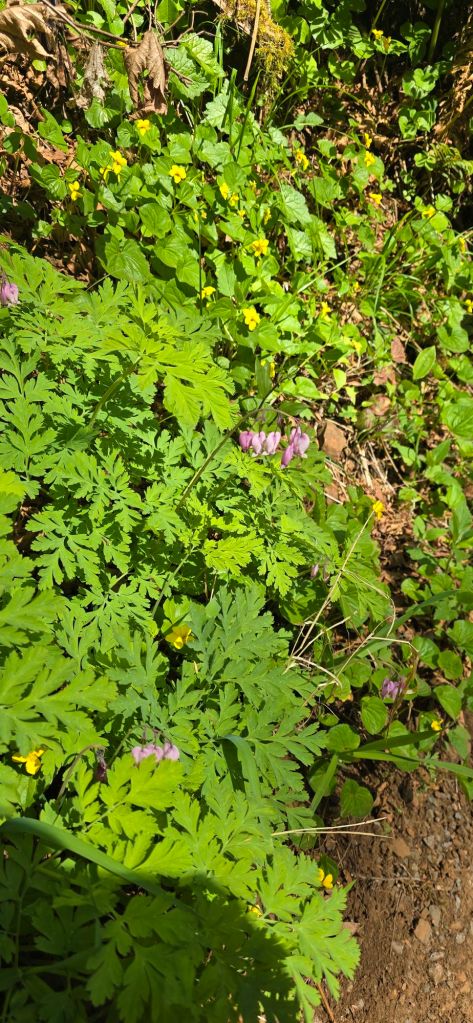
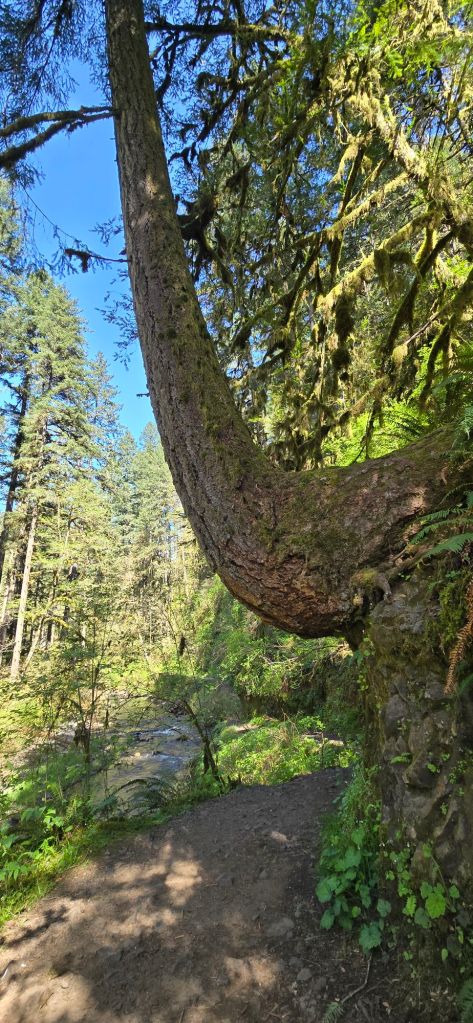
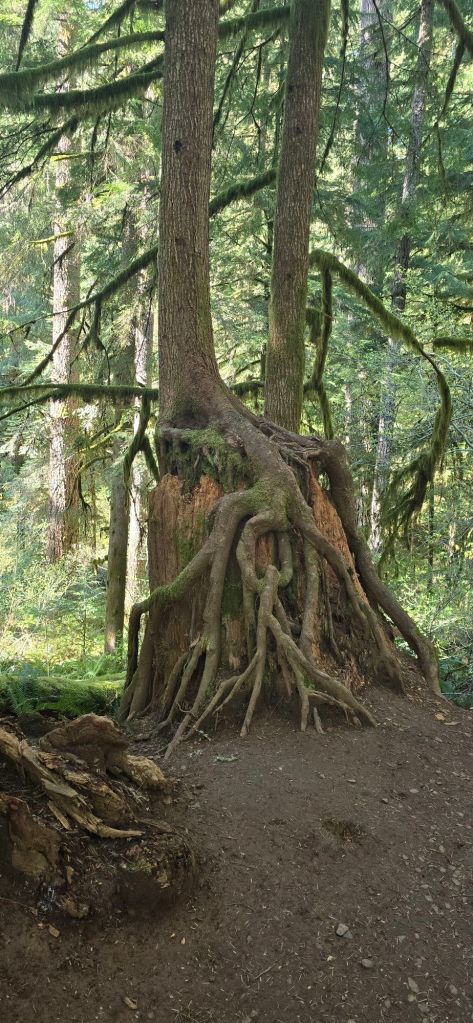
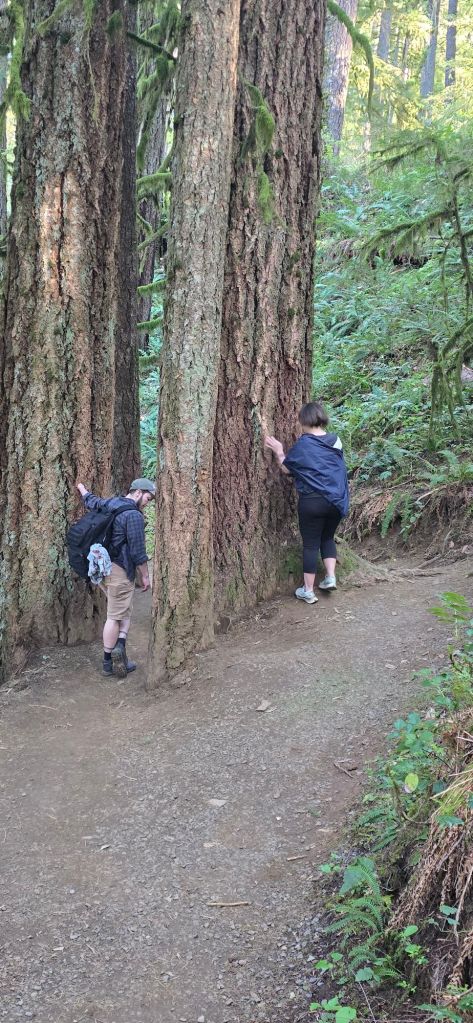
The trail is well maintained and easy to traverse though there are several areas with stone steps and steep inclines. The final 2 miles of trail weaved through what could have been a prehistoric forest with giant trees (including the giant Sequoia trees),moss covered tree limbs, fern covered ground, and beautiful flora and fauna. This walk took four hours but the time seemed to fly with the beauty around every corner.
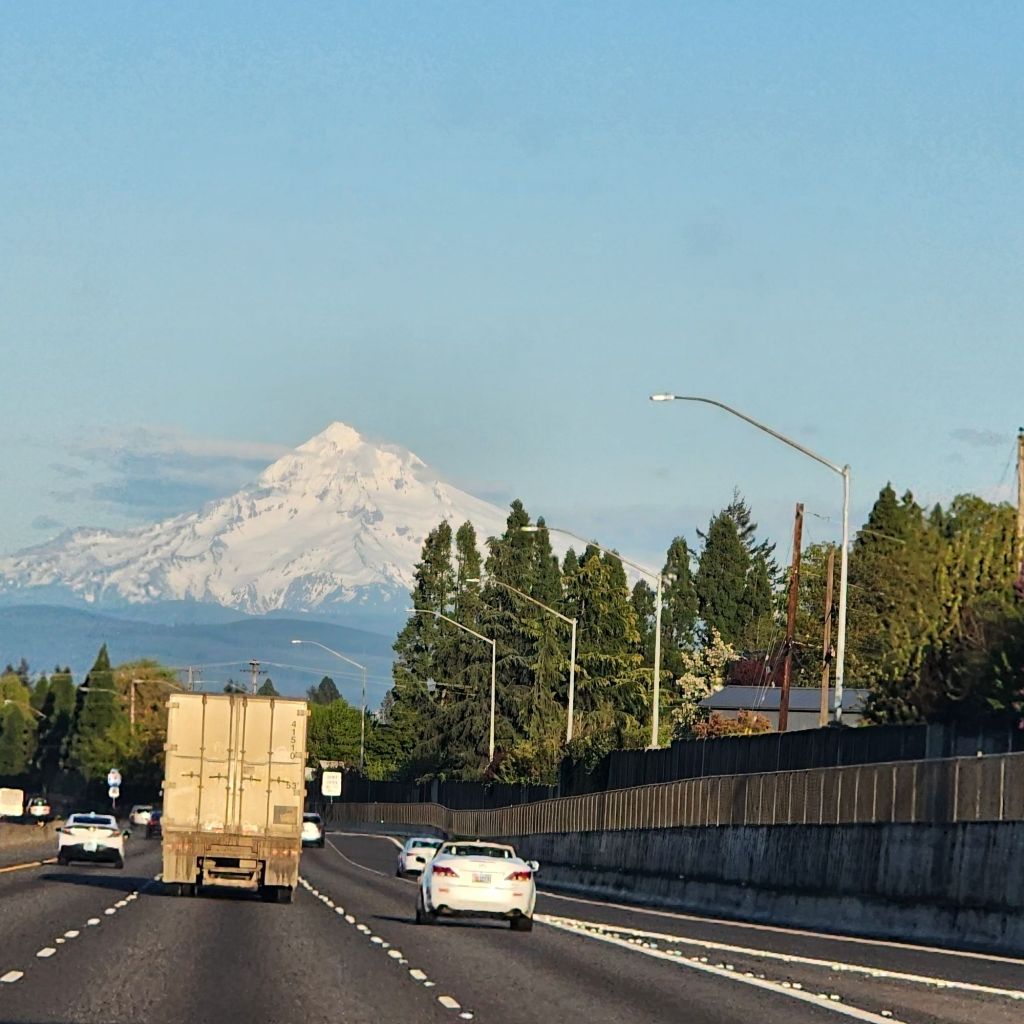
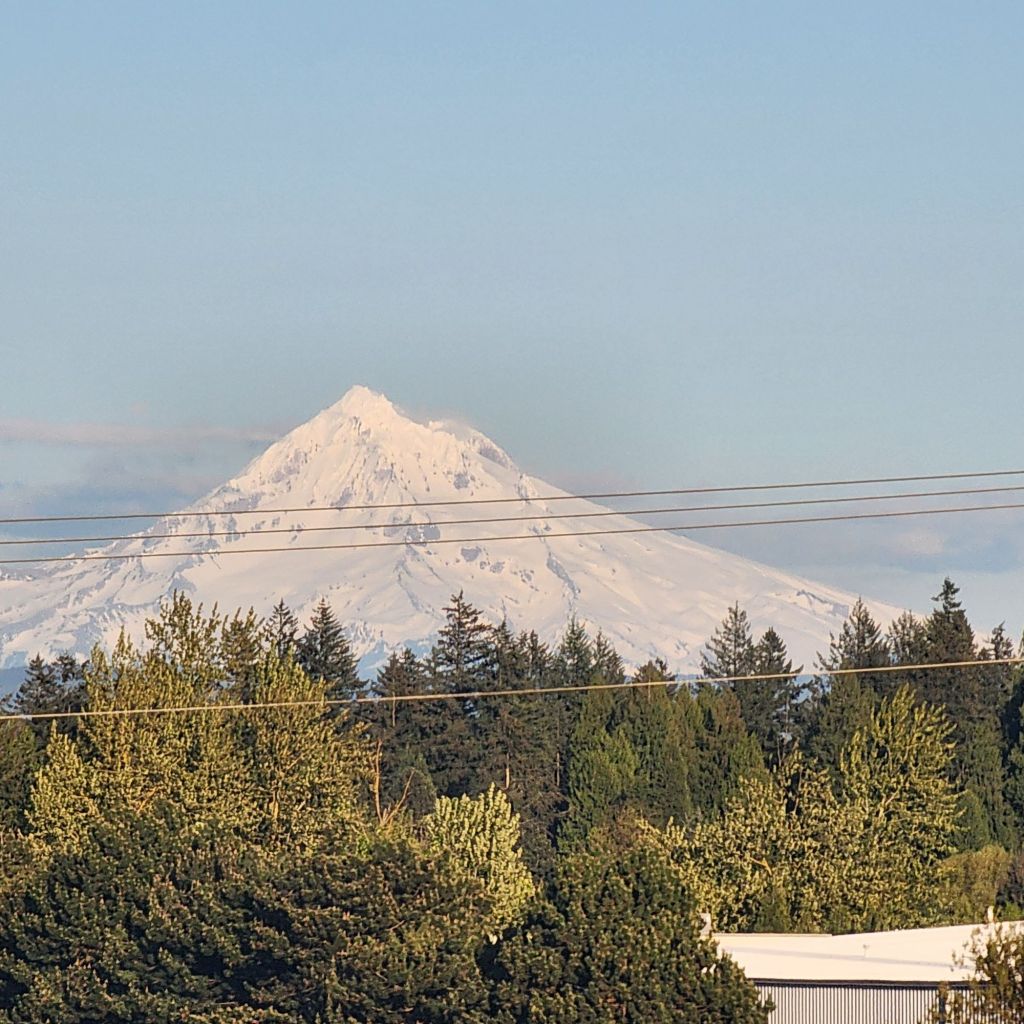
After this hike we said goodbye to AJ and Soyer and continued East for our return trip to North Carolina. Since we were getting a much later start on our drive, we drove five hours to La Grande OR. Almost immediately we had a clear view of Mount Hood which is East of Portland. The weather was perfect to see this majestic giant rising above the Cascade Range.
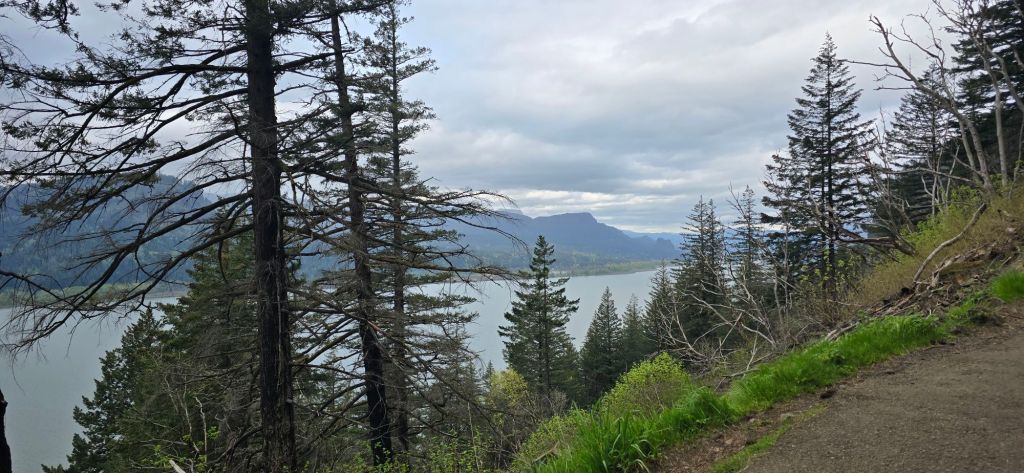
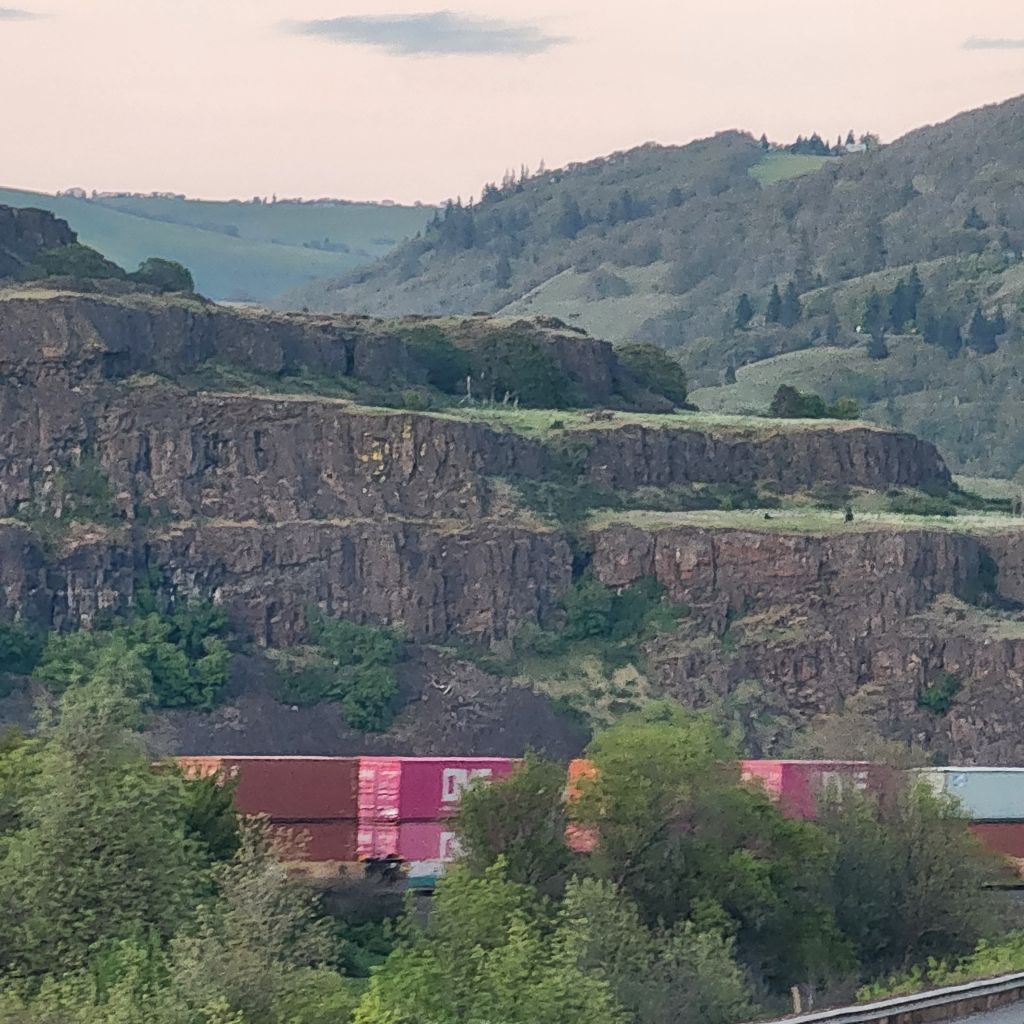
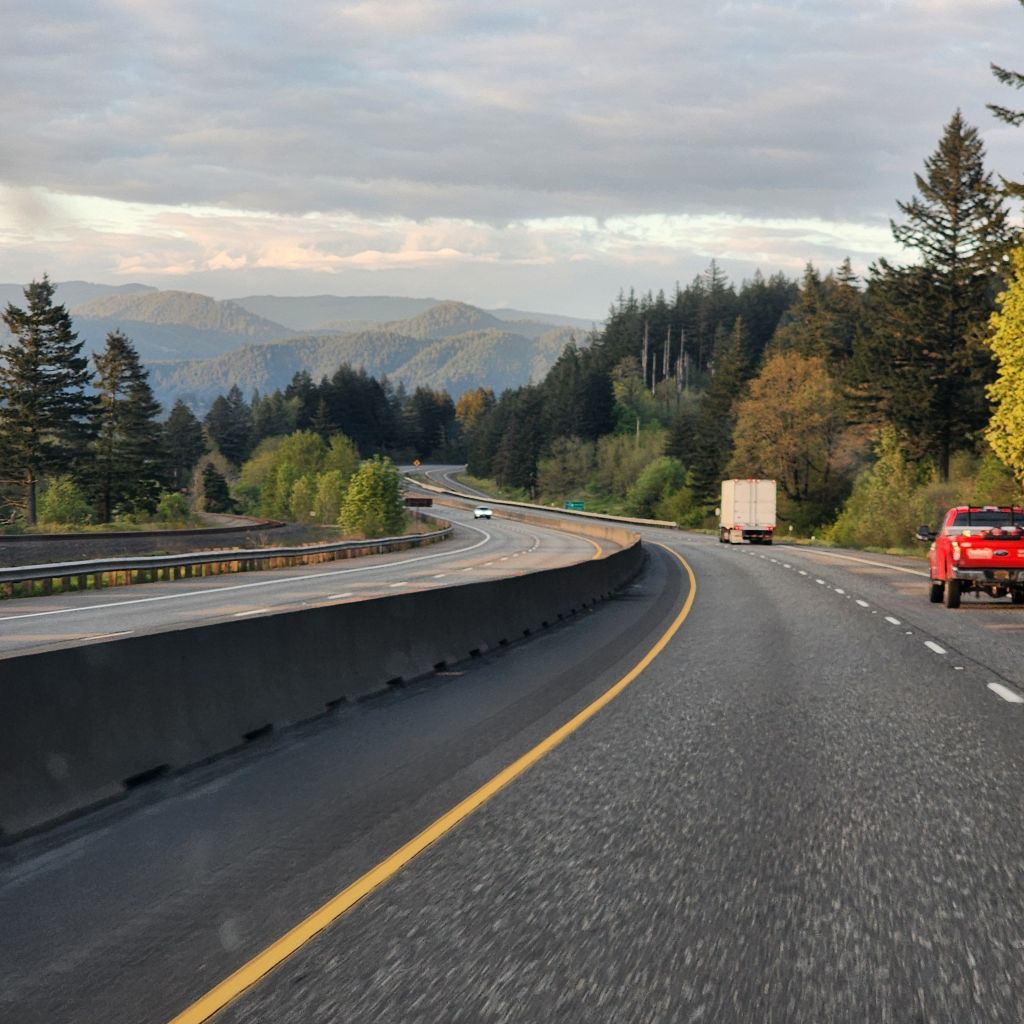
Most of this trip was through the Columbia River Gorge which has amazing views on the drive. The Columbia River is spectacular! As much as we wanted to capture it in pictures it was just impossible to capture the beauty and grandeur in a single shot or even a collection of shots. The eye can capture in a quick scan more than a thousand pictures could convey.
After several hours in the Columbia Gorge we entered the flat, fertile terrain of central Oregon filled with fields, orchards and vineyards. In the distance, the snow-capped mountains could be seen. La Grande is situated in the mountains of Eastern Oregon but unfortunately darkness had descended before we reached the beautiful Deadman Pass which we had to traverse to get to La Grande. This pass has the highest slope rise in elevation of any pass in the US and the lights of Pendleton OR at the start of the pass quickly dropped below us as we made the switchback climb up the pass. We both agreed we need to return and make this drive in daytime to see the view.
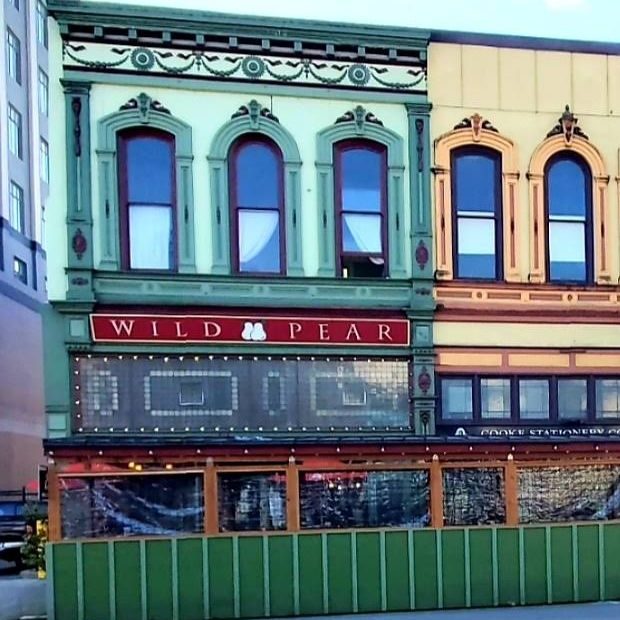
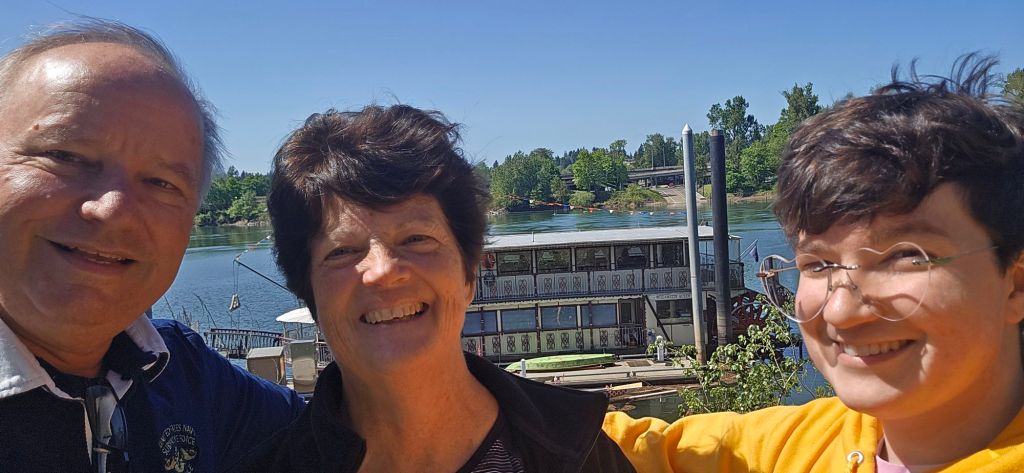
We have two children living in Oregon: Emily recently moved to Salem while AJ and Soyer have been living in Portland for about six months. We planned to meet with both of them, but AJ was not available on Saturday so we spent the day with Emily exploring Salem, the capitol of Oregon. We began with Brunch at the Wild Pear restaurant in downtown Salem. This was a fun little place and the food was great. From there we walked to the waterfront and rode the Carousel (Mary loves carousels). we missed the Easter Egg hunt but there was a lot activity throughout the park.
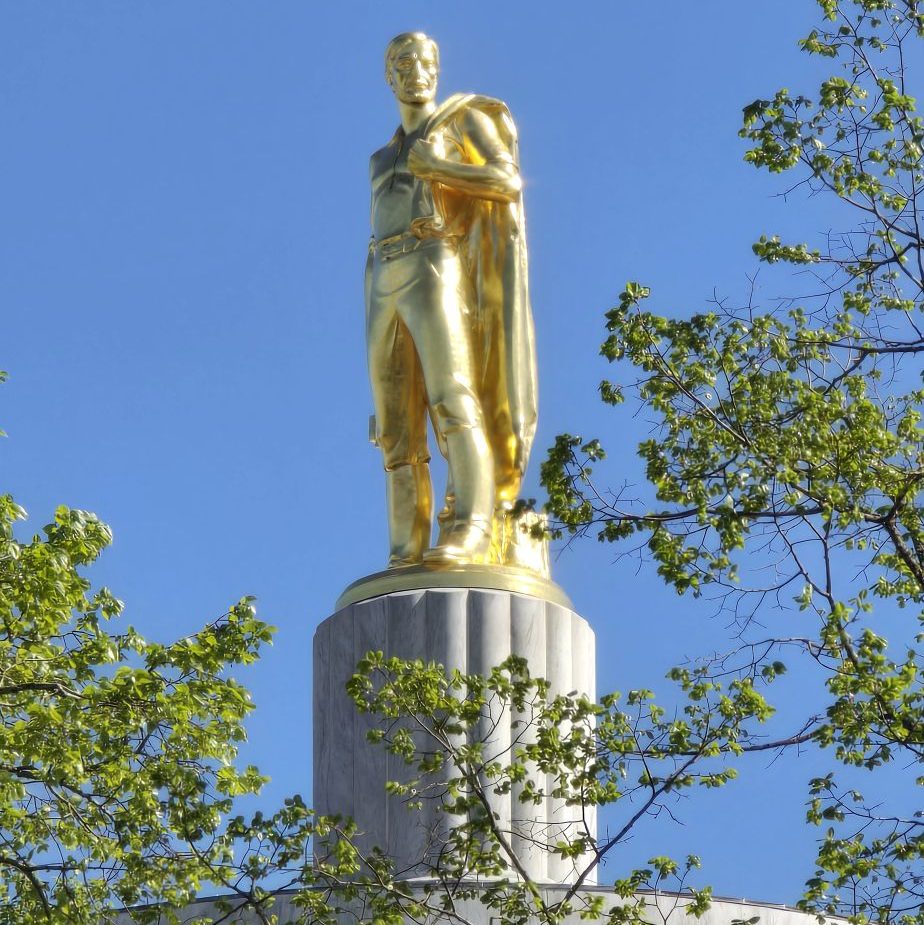
The capitol building and grounds were just a few blocks away. I was surprised to see that they have a gold statue of superman on top of the capitol. The brochures try to claim it is a statue of an Oregon Pioneer, but the cape is a dead give-away that it is superman.
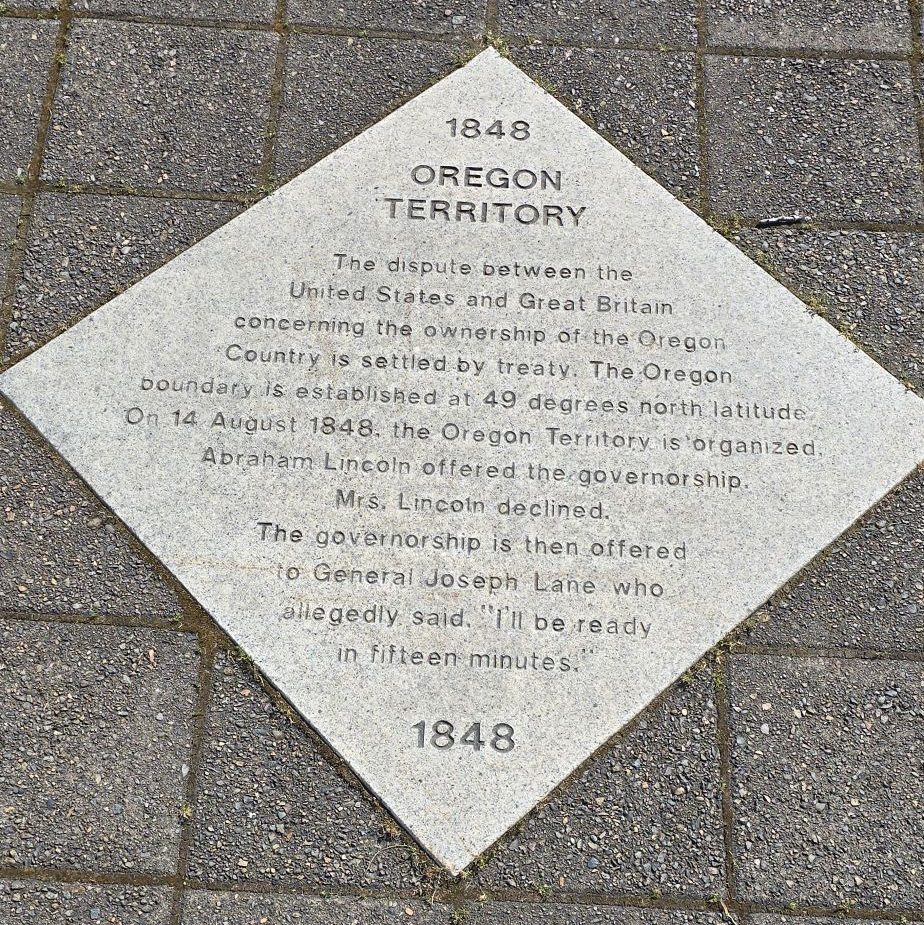
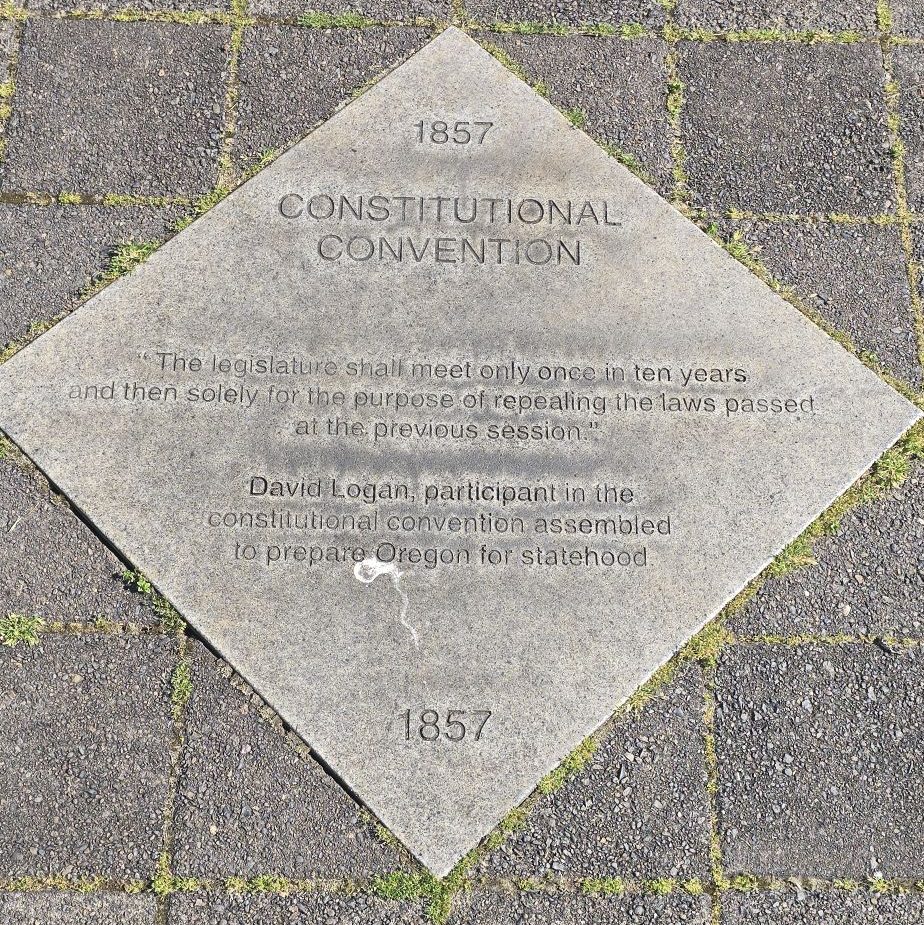
There was also a small park surrounding the capitol which included at least 4 Sequoia trees and many plaques and monuments. In the mall across the street were a number of paver stones that highlighted the history of Oregon and some of their notable sayings. These were quite humorous and a few are captured here.
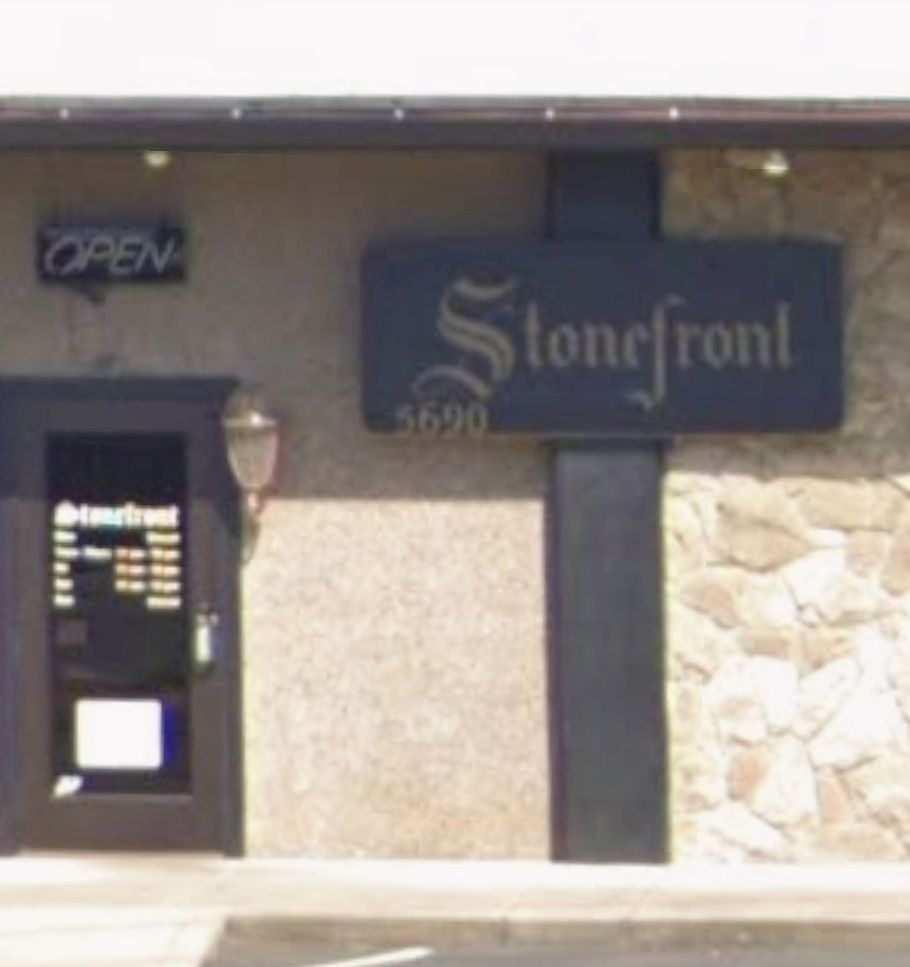
We then had an early dinner at the Stonefront Tavern – a rather nondescript exterior, but the burgers were delicious.
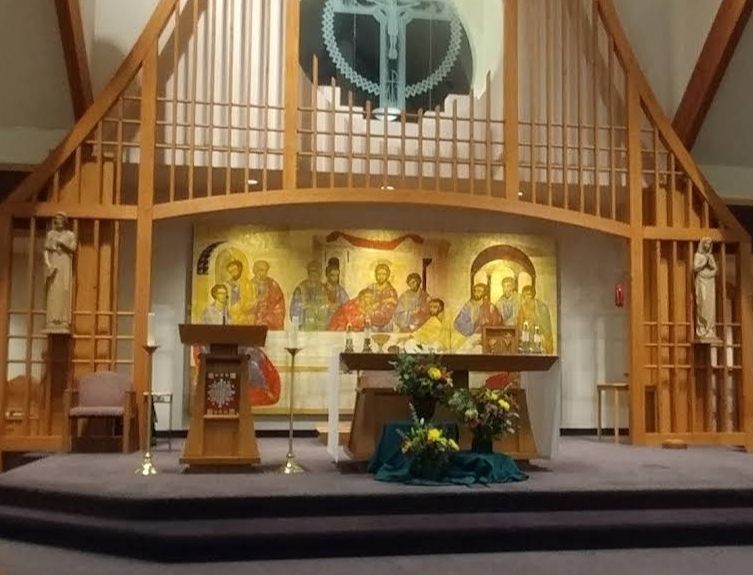
After an early dinner we went to Emily’s parish, Queen of Peace Church, for the third day of the Tridium service which concludes the three days as the Easter Vigil. Since this is a continuation of the Tridium, there is no introduction rite. Instead, after sunset, a wood fire is started and blessed outside the church and the gospel account of the resurrection is read. All parishioners are provided with an unlit candle. The Easter candle is then lit from the fire and a procession into the church begins in darkness. Then, as the Easter candle enters the church, the members closest to the Easter candle light their candles from the Easter candle and then pass this light to those next to them until the entire church is illuminated by candlelight. It is an impressive event. A series of readings from the old testament are then read, highlighting the redemption history of the church from Adam and Eve through Moses and Elishia to Jesus. This is followed by the baptism and confirmation of new catechumens to the Catholic faith. Then the Eucharistic rite, which had been skipped on Good Friday, returns to the service to complete the renewal of the completed Mass. The entire Easter vigil takes about 2.5 hours, but it is special in it’s unique character and well worth the time to acknowledge Jesus as our savior.
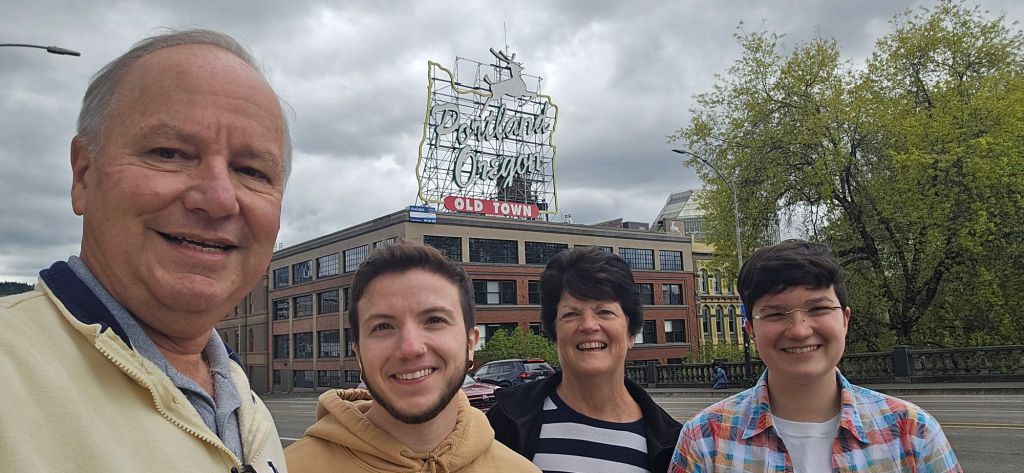
On Easter Sunday we drove to Portland with Emily to meet AJ for brunch and a Sunday afternoon visit. We had brunch at Grits and Gravy in Old Town Portland. The grits were truly exceptional and as good as grits you might get in Charleston, South Carolina. We had a nice walk around Old Town Portland and the waterfront on the Willamette River, then we drove up to Mount Tabor for a short hike. Mount Tabor is a ancient Volcanic cone mount in the center of Portland and only one of 4 cities in the US that has a volcanic mountain within its city limits. Mount Tabor is the largest of the four. Although it was overcast, the views from Mount tabor were beautiful.
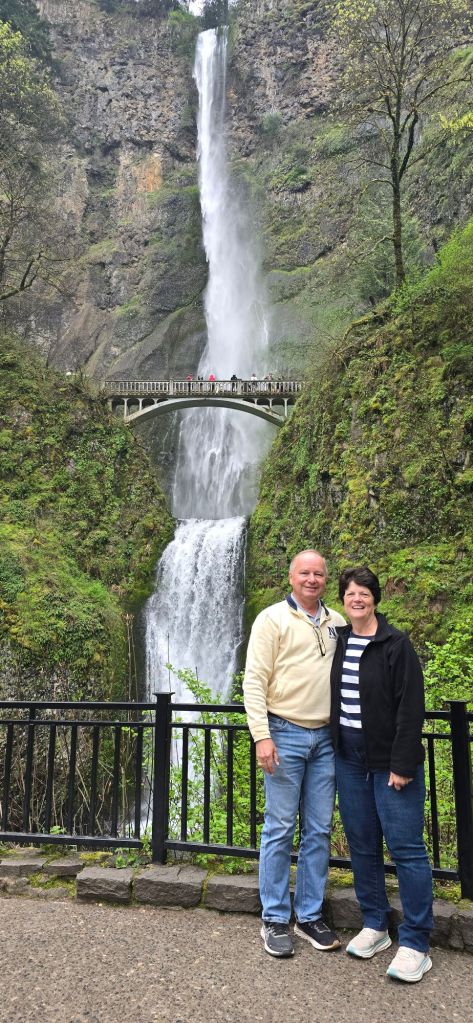
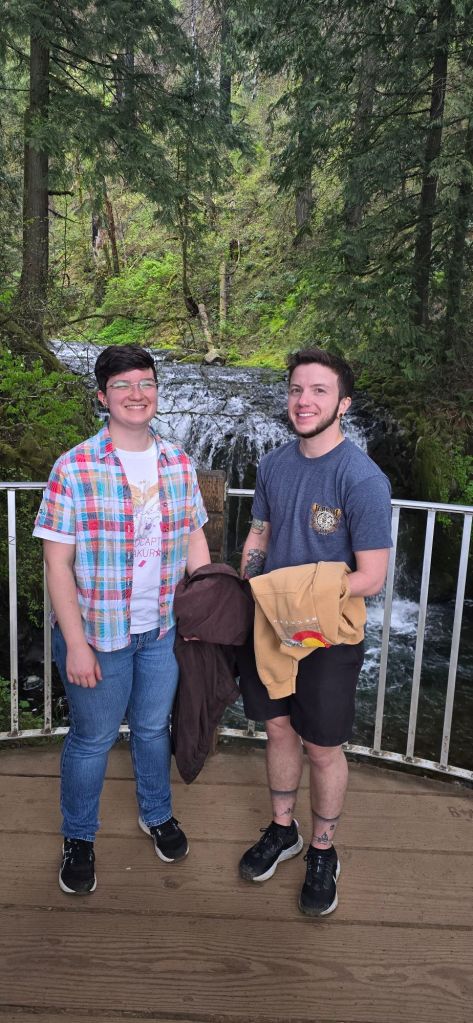
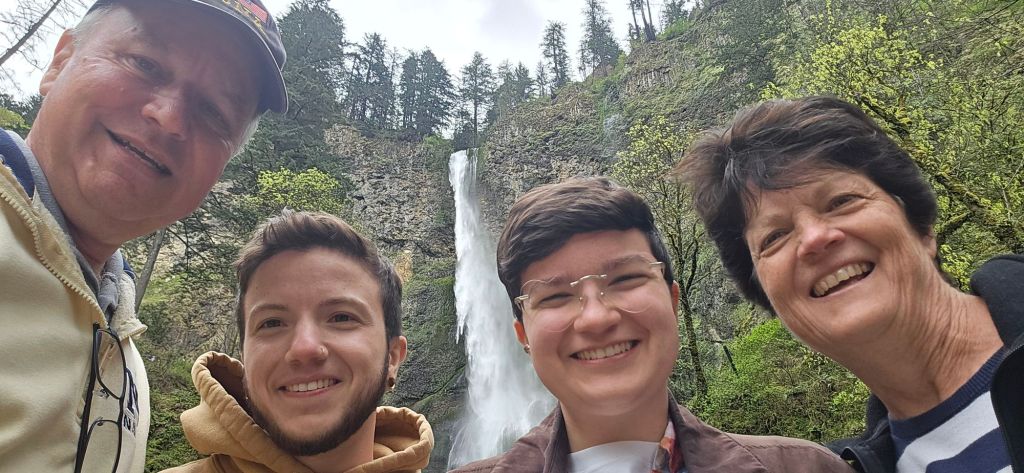
Following Mount Tabor we drove east of Portland to Multnomah Falls. THis was fascinating in that the parking lot is in the middle of Interstate I-84 and the falls are easily seen from the interstate. An underpass footpath takes you to the foot of the falls. The falls drop 620 feet from the rim of the cliff to the base and flows into the Columbia river. We hiked the 1.25 mile trail to the top pf the falls, which was a bit challenging, but worth the effort. The views were spectacular.
After our hike we said goodbye to AJ and went back to Salem for dinner with Emily at the Best Little Roadhouse. It certainly lived up to its name as the food was impeccable.
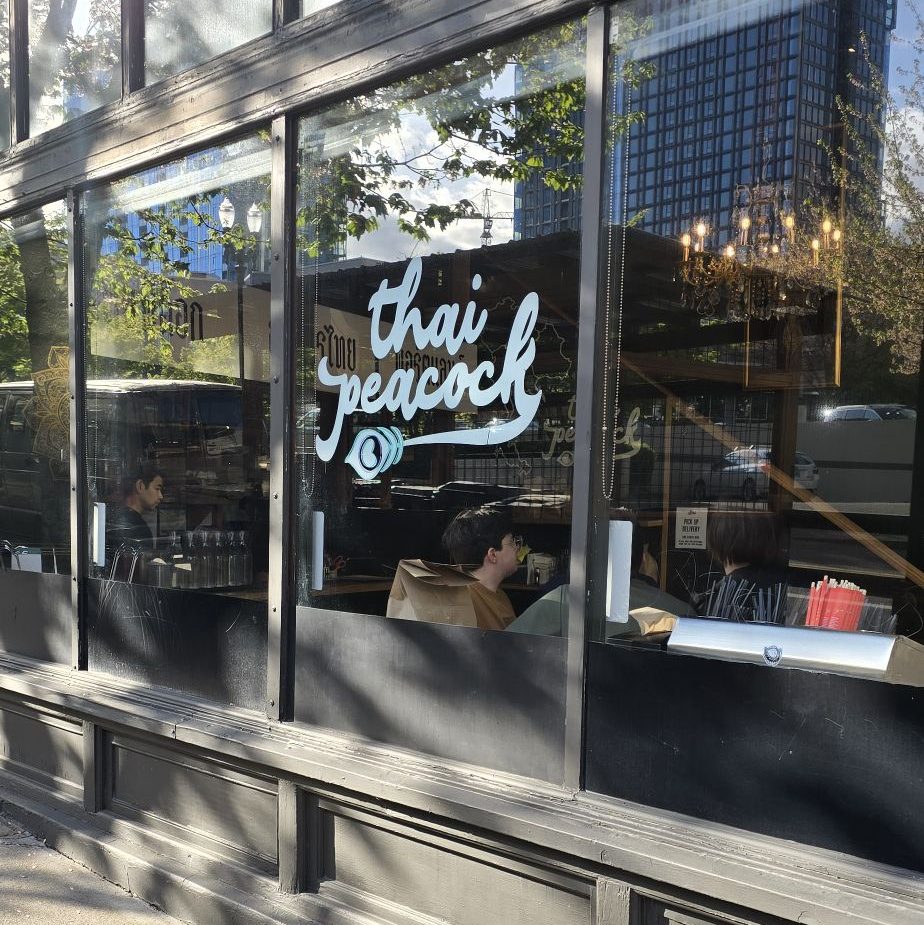
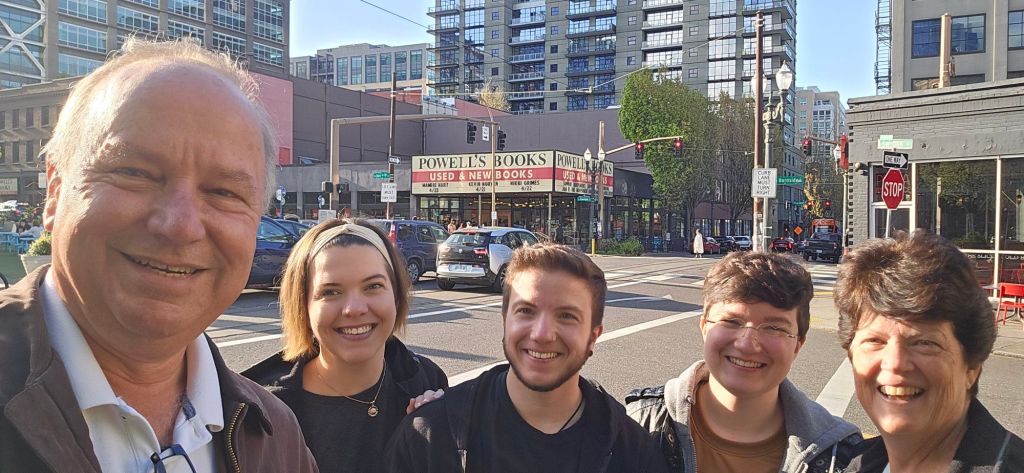
On Monday AJ informed us that Soyer would be able to join us for dinner as well – we had thought her work was going to keep her tied up for the entire visit. Instead, because AJ expected to work an evening shift on Monday, we decide to meet in Portland for an early dinner at Thai Peacock in Old Town. This was by far the best Thai restaurant I have been to in the US. The food was extremely well prepared and the flavors meshed beautifully to create a symphony of enjoyment in your mouth. We highly recommend this little gem. During dinner, AJ received a call that delayed the shift so we had the evening to continue our visit. With extra time we visited the Powell City of Books, quite possibly the largest bookstore in the US. We picked up a couple books to add to our read pile at home and then walked over to Cosmic Bliss for ice cream. This ice cream shop has a number of both dairy and non-dairy selections made on site and, for those who have little room for dessert, they sell a “half-scoop” size. This ended a wonderful day of visiting and we headed back to Salem for the night.
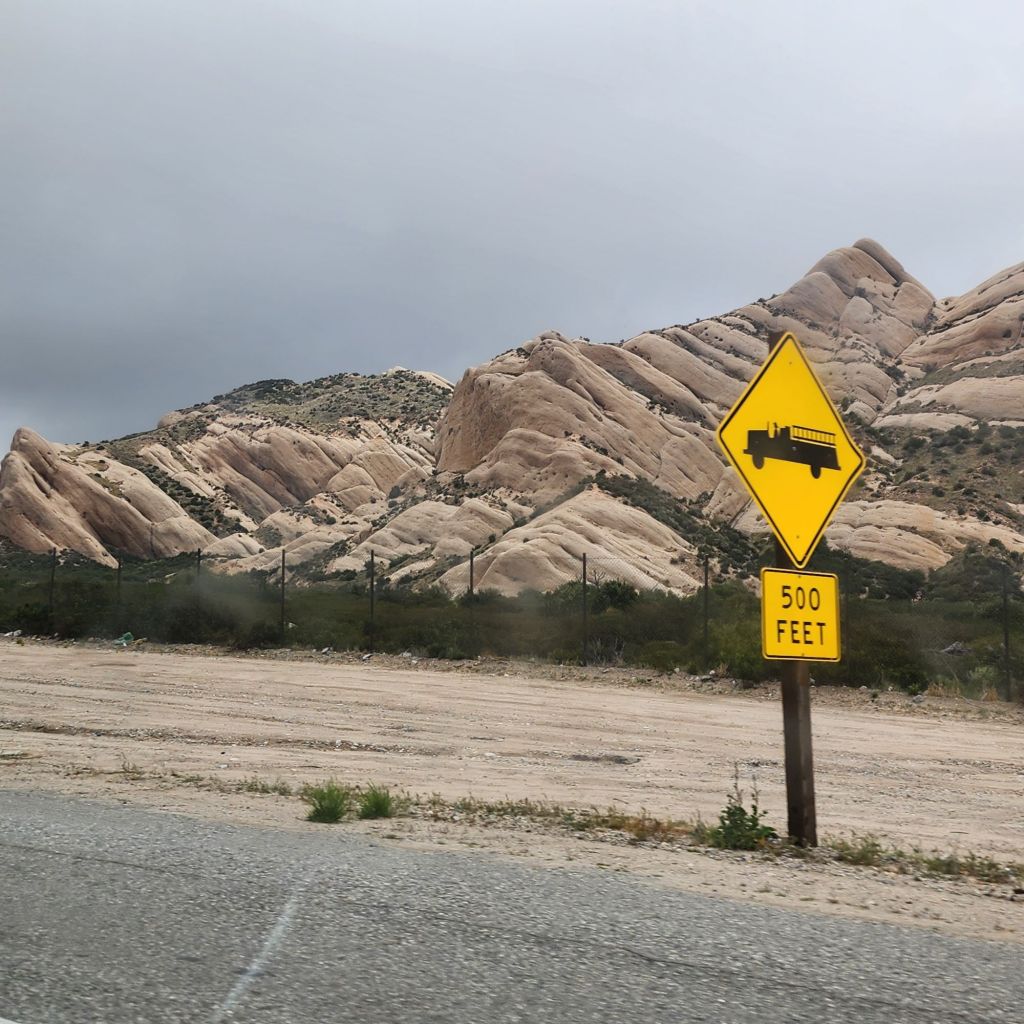
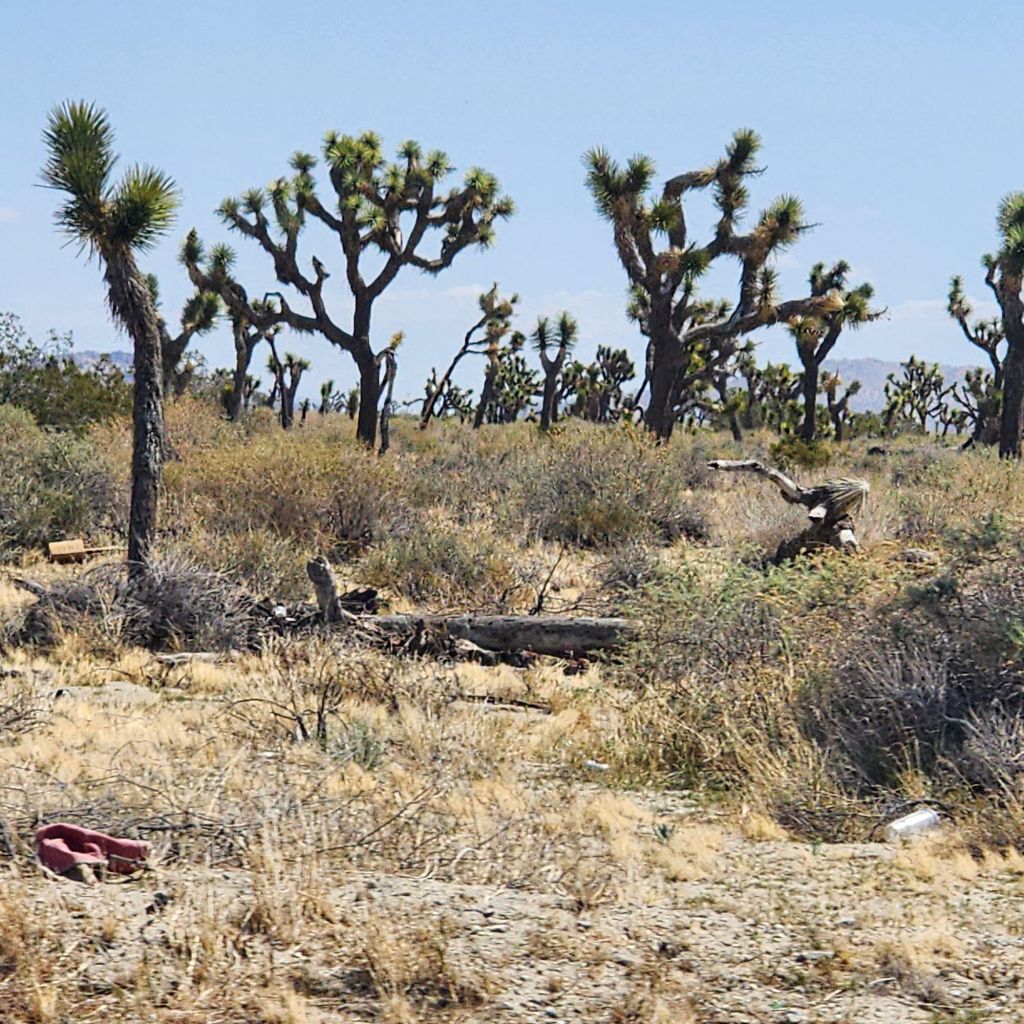
After a delicious breakfast with George and Kathleen we said our goodbyes and began our trek north to Oregon. Rather than fight the LA traffic we chose to take I-15 through Cahon Pass and then across the high desert through Palmdale to Bakersfield, then up through the San Joaquin Valley via Route 99. Once again, the beautiful views and ever-changing landscape were a clear reminder of why we so enjoy driving across this country. The verdant, green, southern slopes of the San Bernardino Mountains changed dramatically on the northside into dry, rocky terrain. Then to our surprise, we entered a vast area filled with Joshua Trees. These trees only grow in the California desert and there is a Joshua Tree National Park on I-10 but we saw many more of this unique tree on this drive than we did in the National Park.
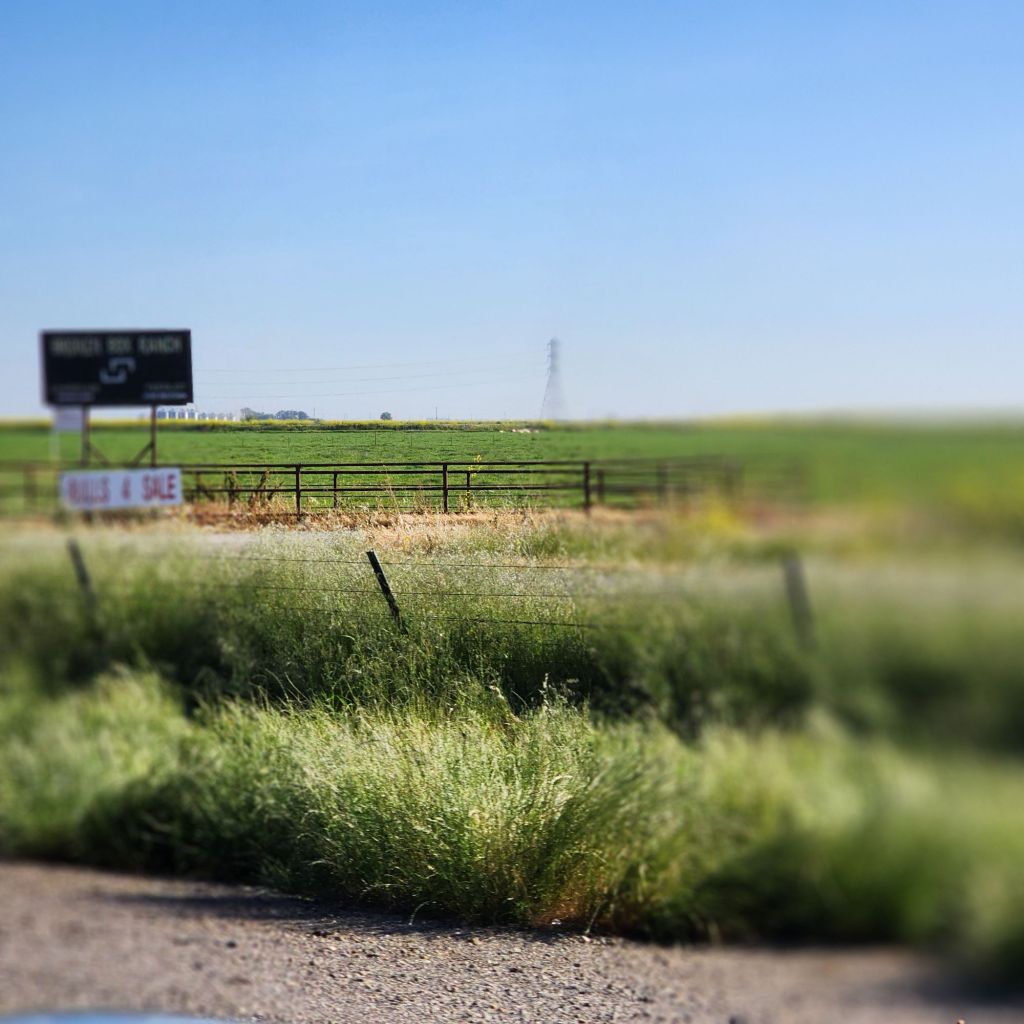
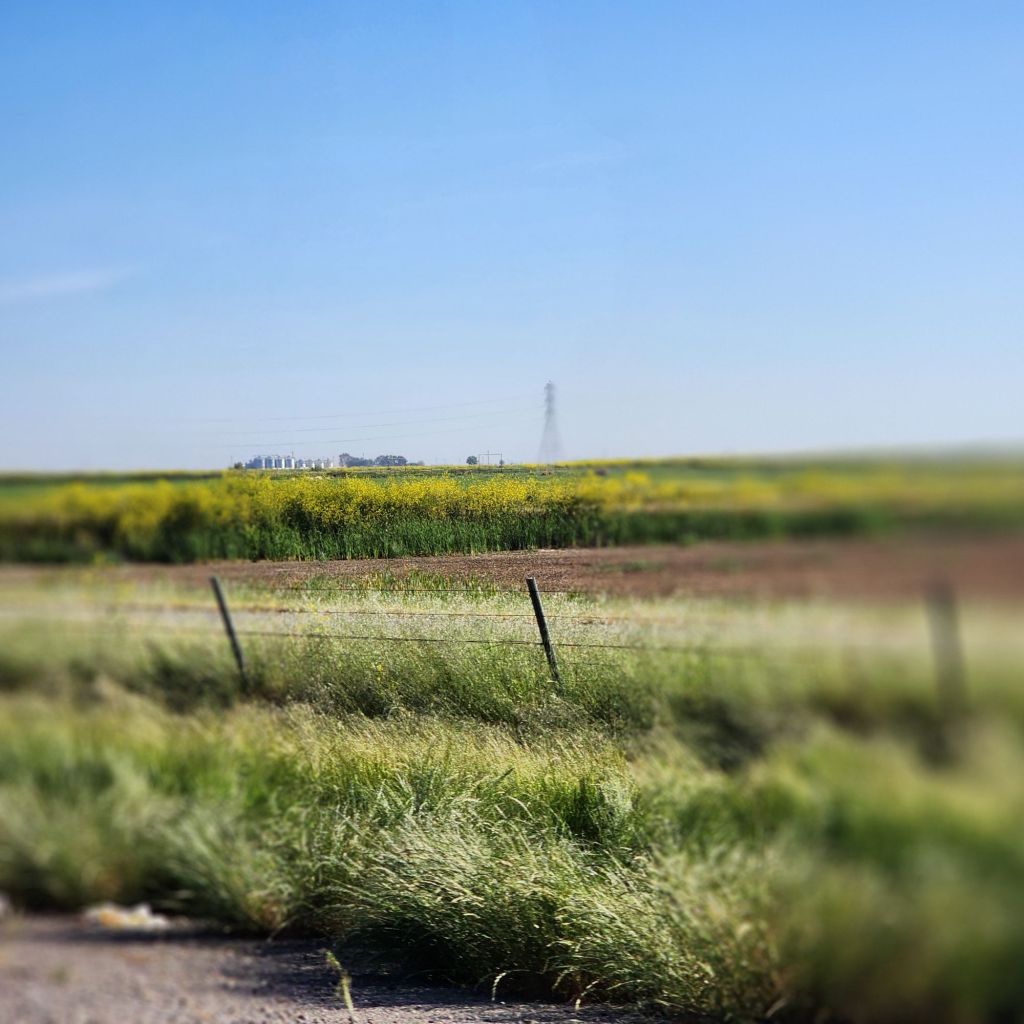
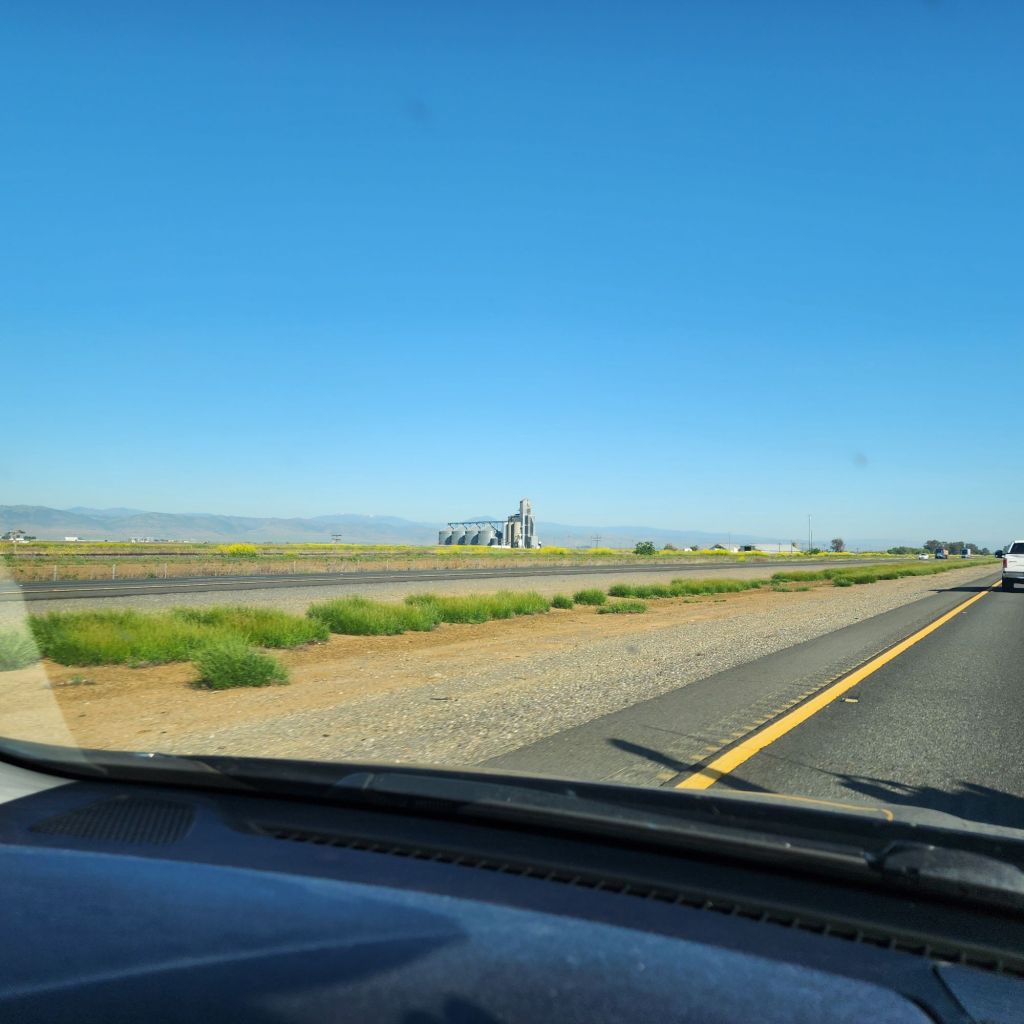
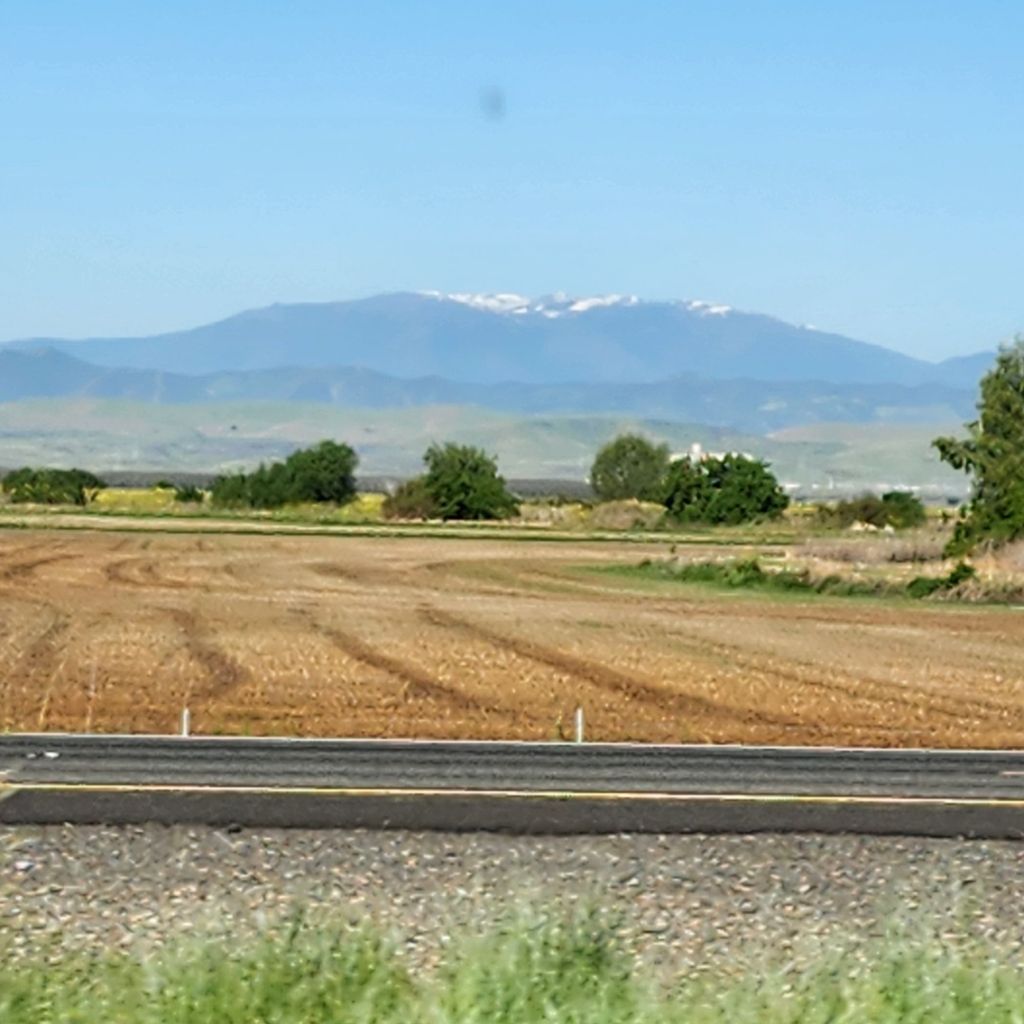
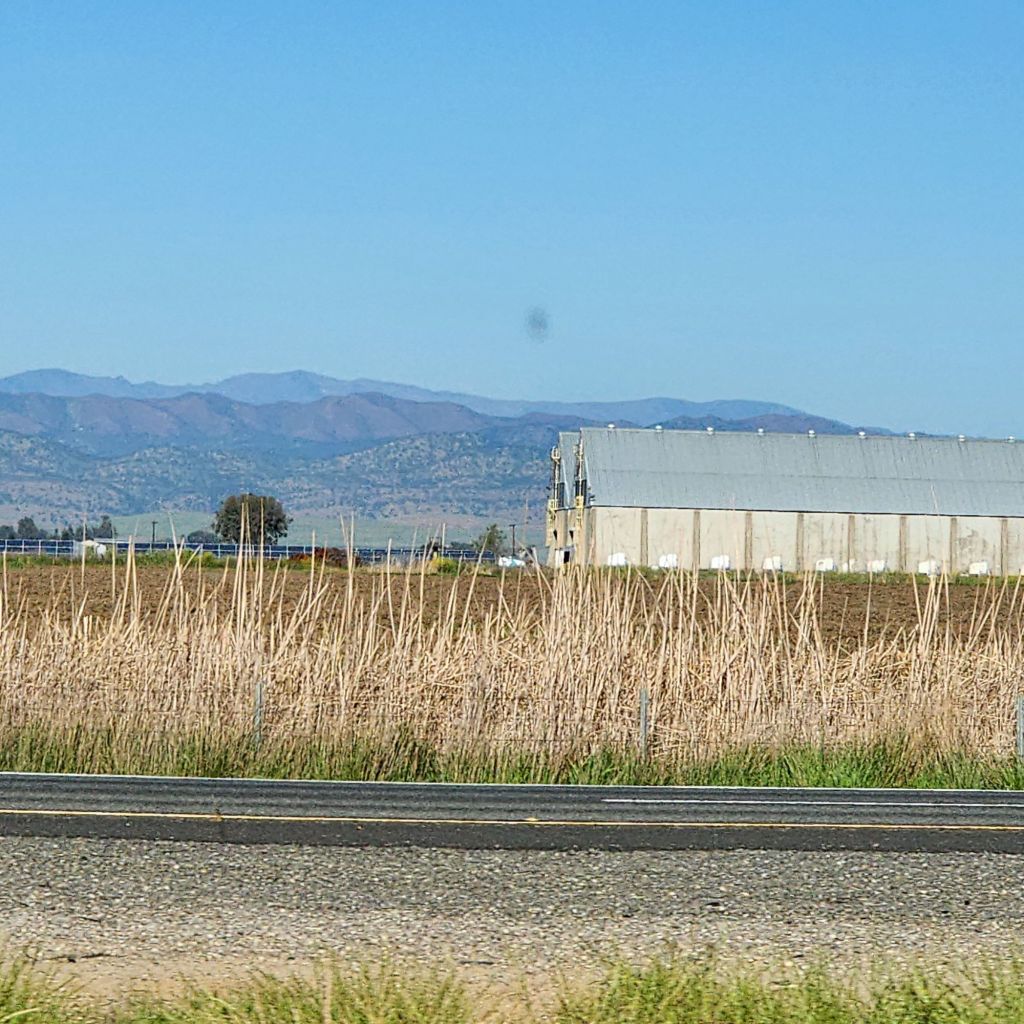
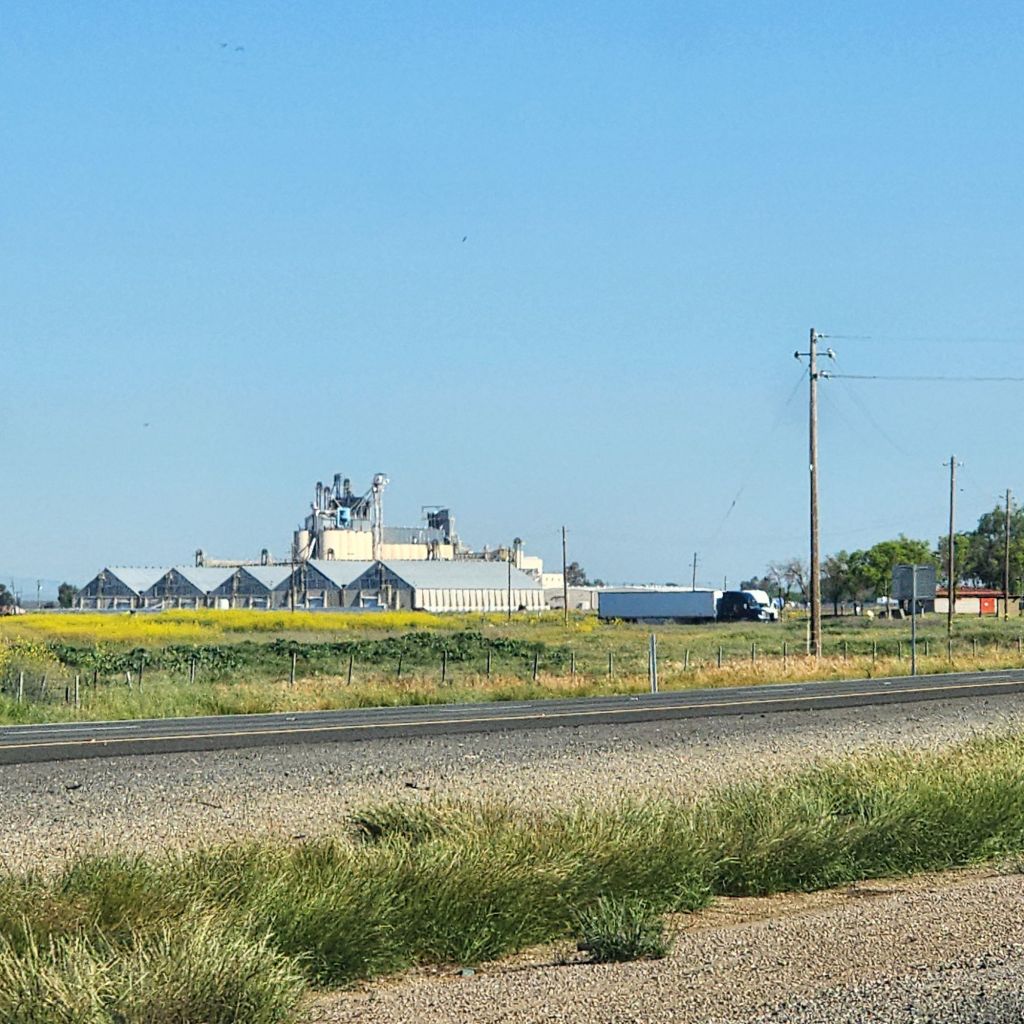
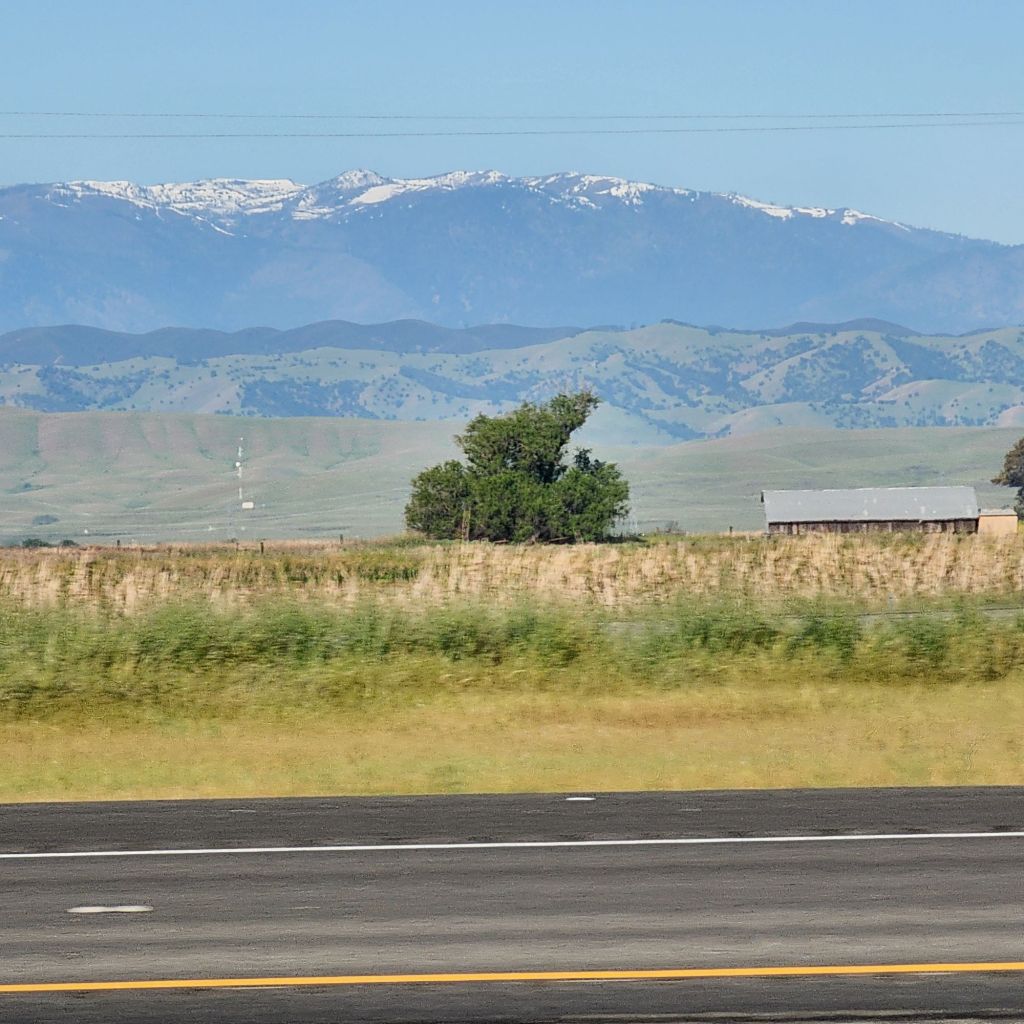
We passed through Bakersfield into the great expanse known as San Joaquin Valley. This valley began as part of the Pacific ocean. Then as the coastal mountains began to form, the outlets to the sea closed. Two million years ago an ice age brought glaciers across the valley, turning the valley into a freshwater lake. These lakes would eventually shrink, leaving behind the very fertile valley which is now a major agricultural breadbasket for the country. For the rest of the day we passed field after field in a never-ending patchwork of farms.
Our custom at Easter is to attend the Catholic Easter Tritium Service which is a single service that occurs over three days – Holy Thursday, Good Friday, and The Easter Vigil on the evening of Holy Saturday. It is quite fascinating to experience. Holy Thursday is recognized as the night Jesus established the priesthood and introduced the Eucharistic tradition of the Mass. This service begins as a typical Catholic Mass but includes a ceremonial washing of the feet as a memorial of Christ washing the apostle’s feet. However, after the communion service, the Mass ending does not occur. Instead, just like when Jesus left the upper room before completing the Passover meal, The priest removes the blessed Eucharist and a procession of the priest and people to an alternate place of repose is conducted, representative of the transition to the Garden of Gethsemane where Jesus was betrayed.
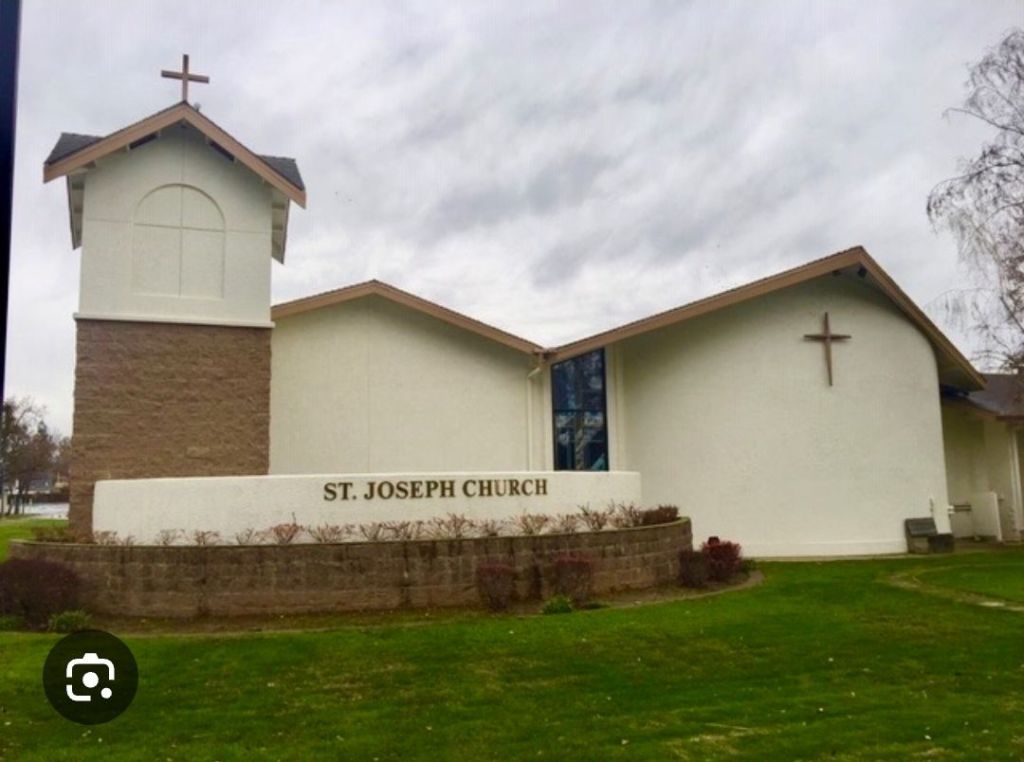
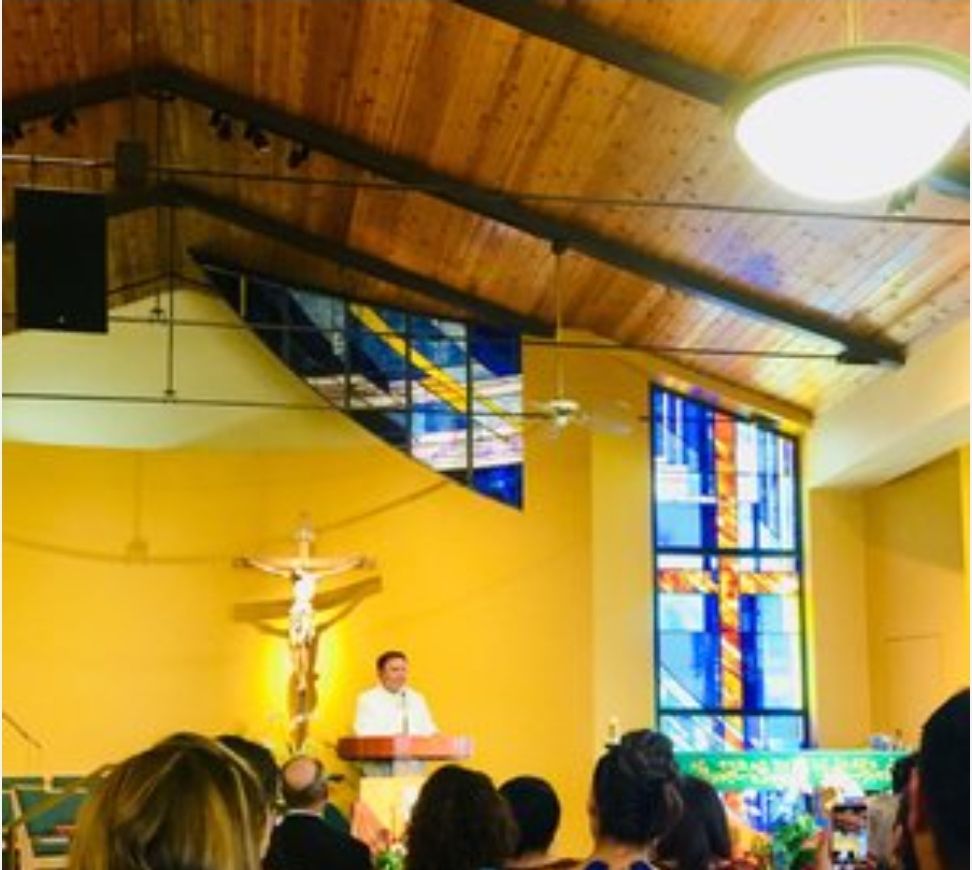
On this trip, we experienced the true catholic (universal) nature of the Catholic church in that we attended the Tritium over three days in three different churches. This first day we stopped in Elk Grove south of Sacramento to attend the Tritium Day 1 Mass of the Lord’s Supper at Saint Joseph’s Parish. The Mass was bilingual due to the large Latin-American population in this area and the church was full.
After the service and procession, we spent a few minutes in adoration and then continued our trip in order to get north of Sacramento before stopping for the night in Williams CA.
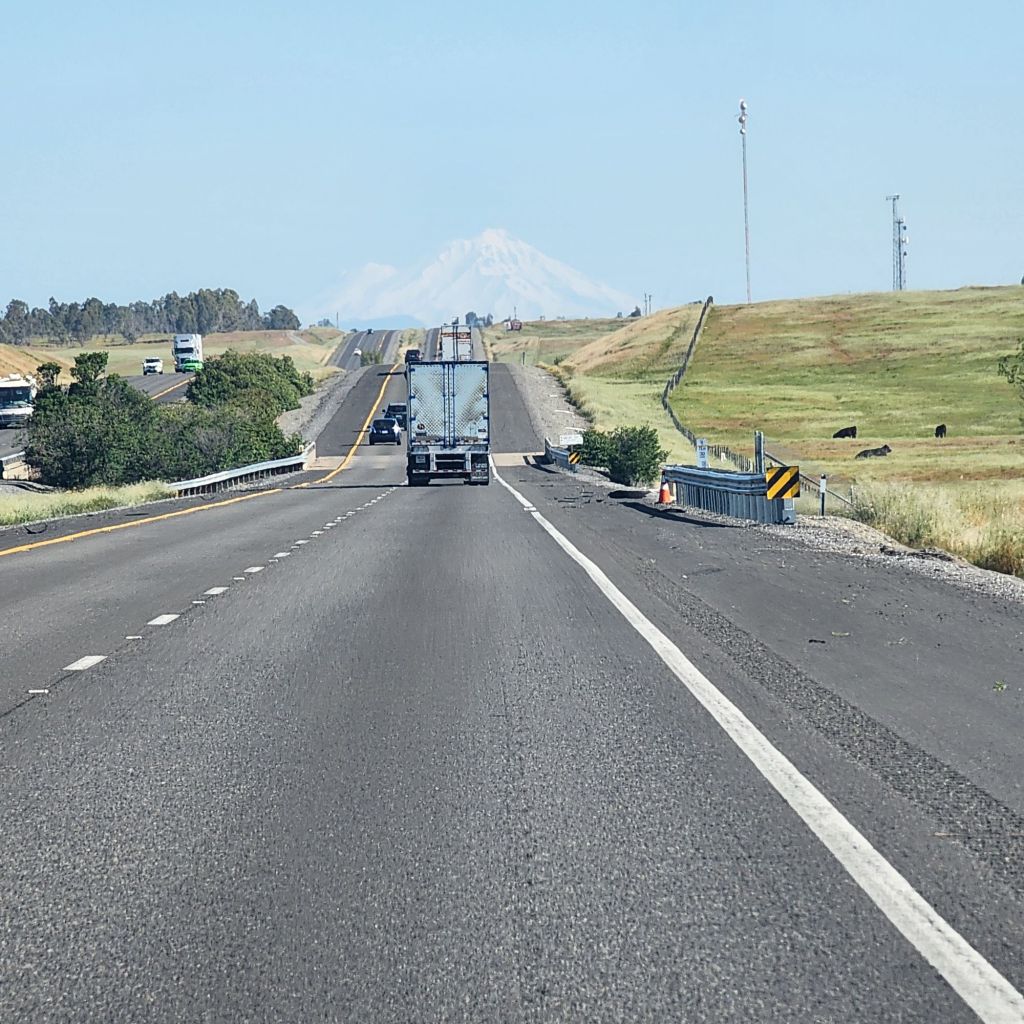
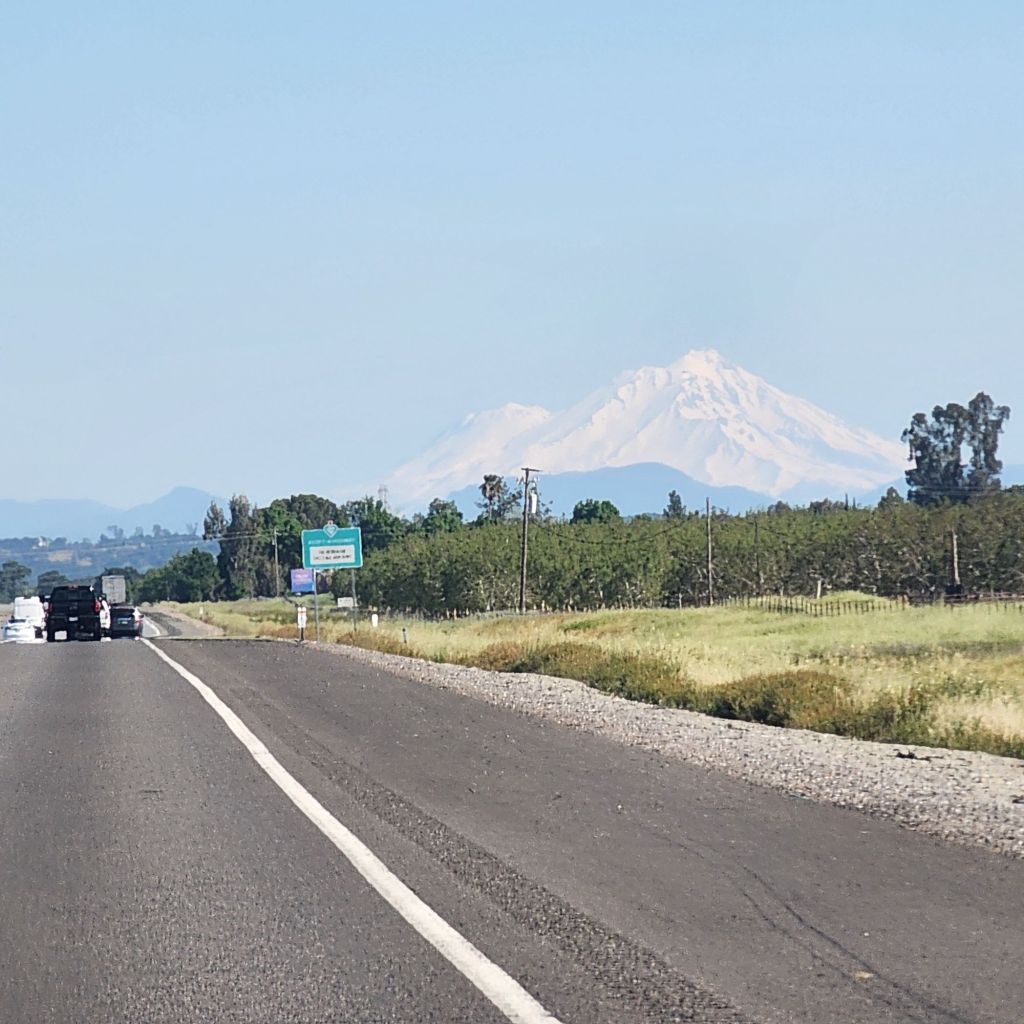
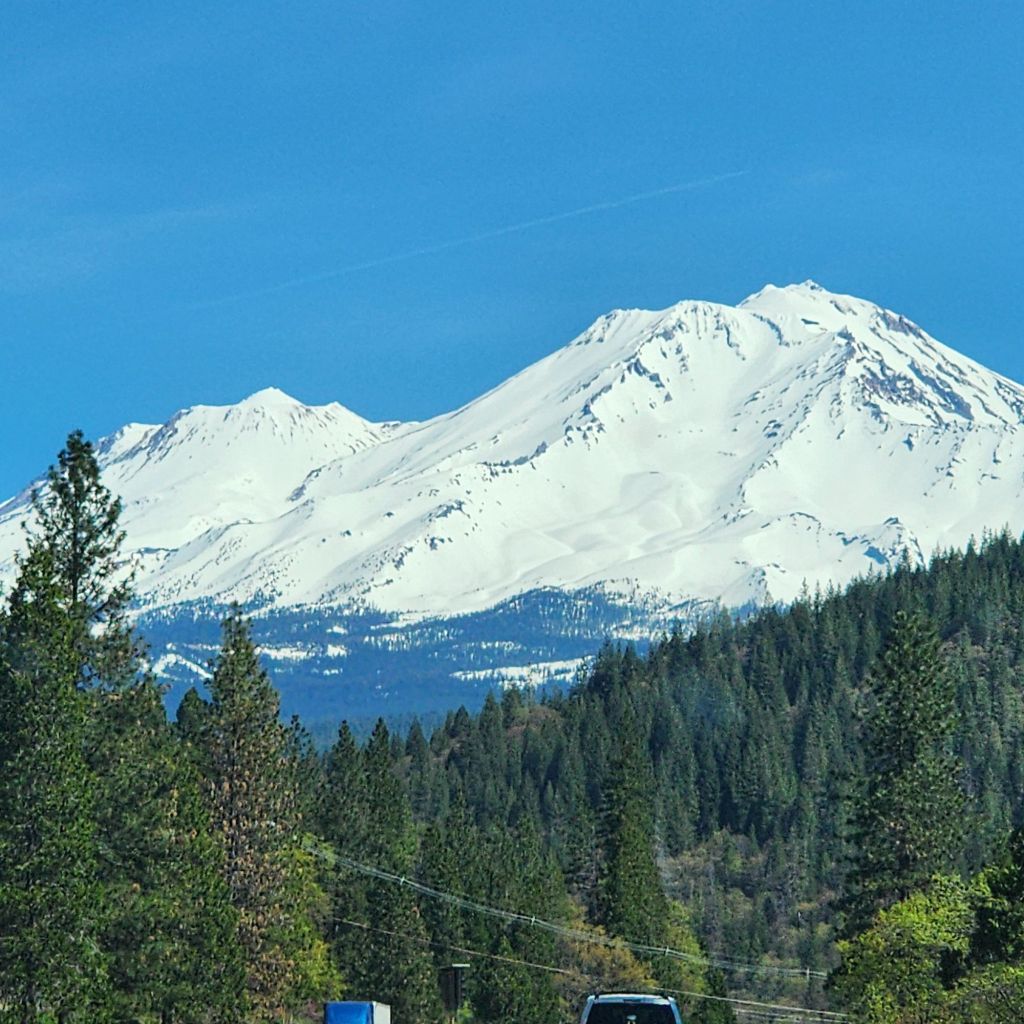
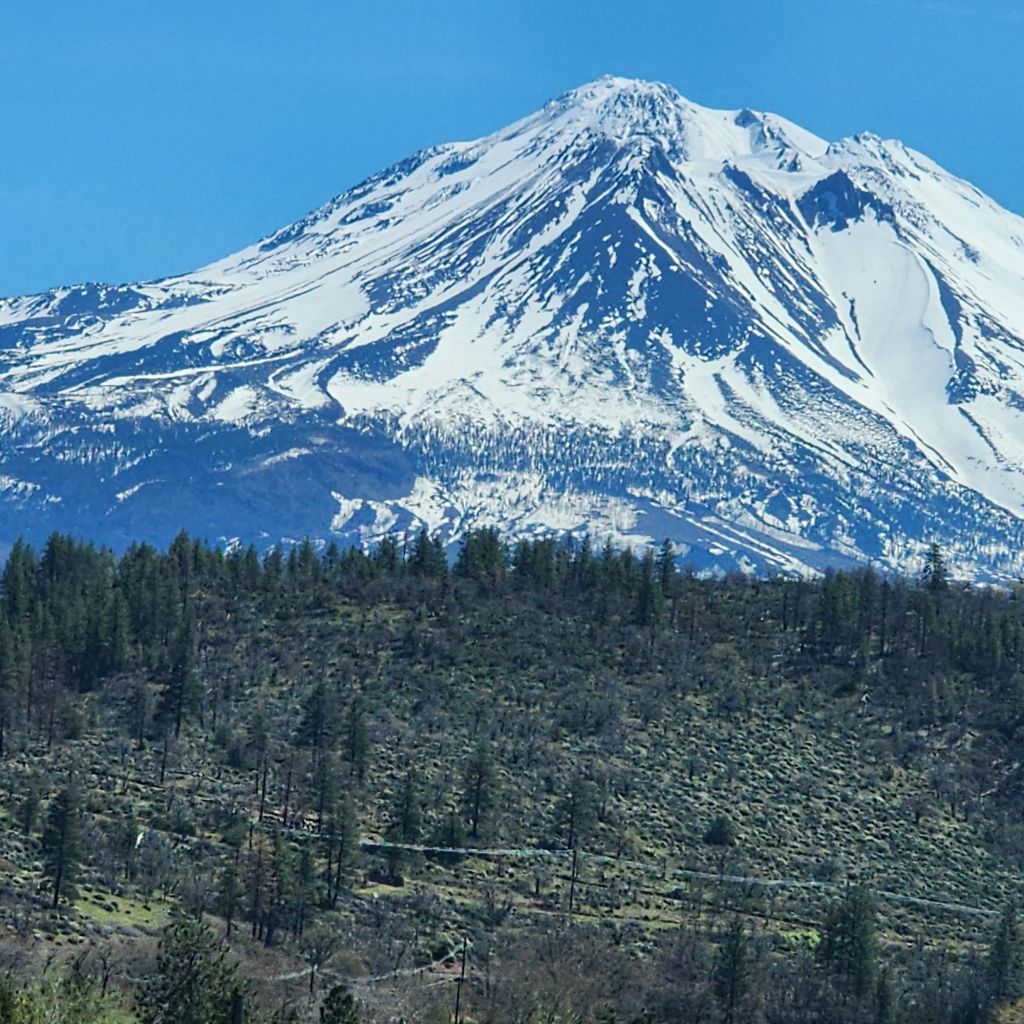
On Good Friday we continued our trip through Northern California into Oregon. THe landscape of Northern California stands in stark contrast to the central and south of the state. The fertile valley eventually gave way to rolling hills and mountains. We bagan seeing Mount Shasta 100 miles away which was phenomenal.
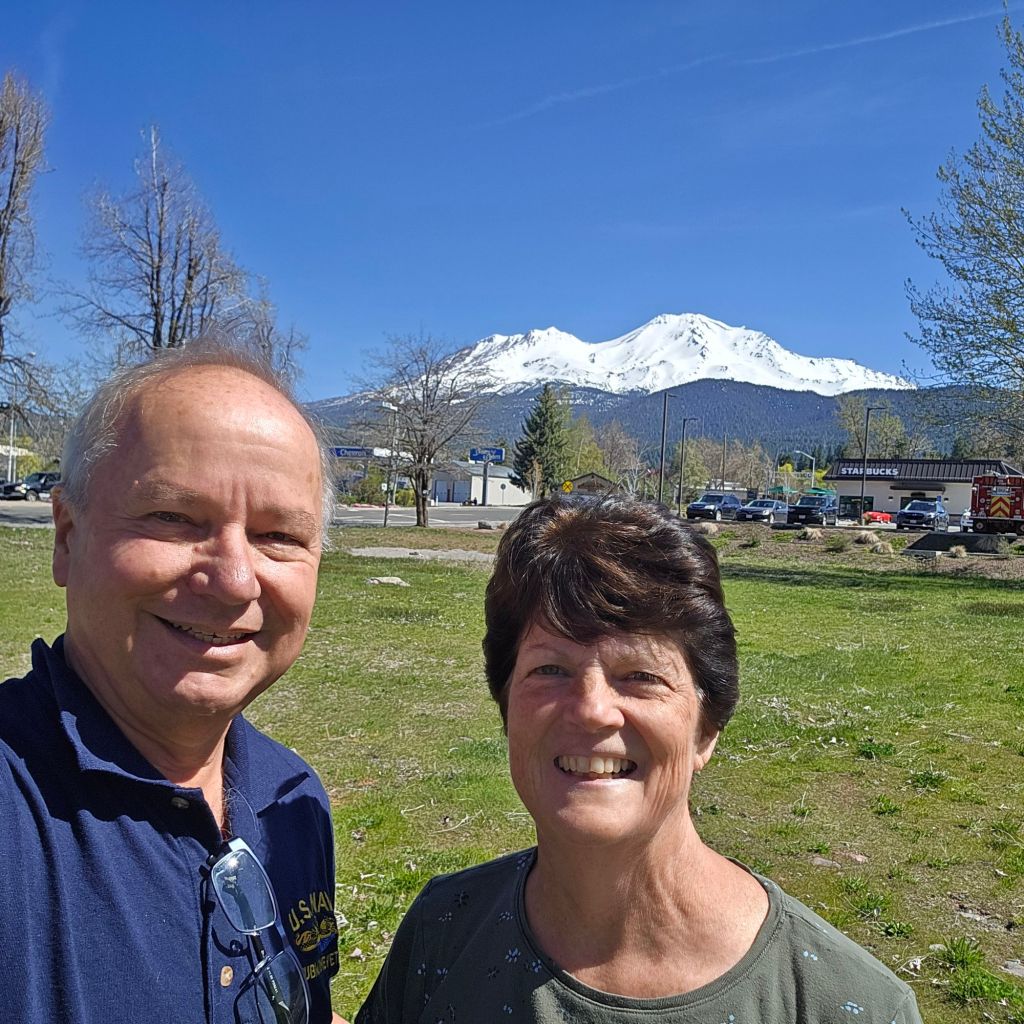
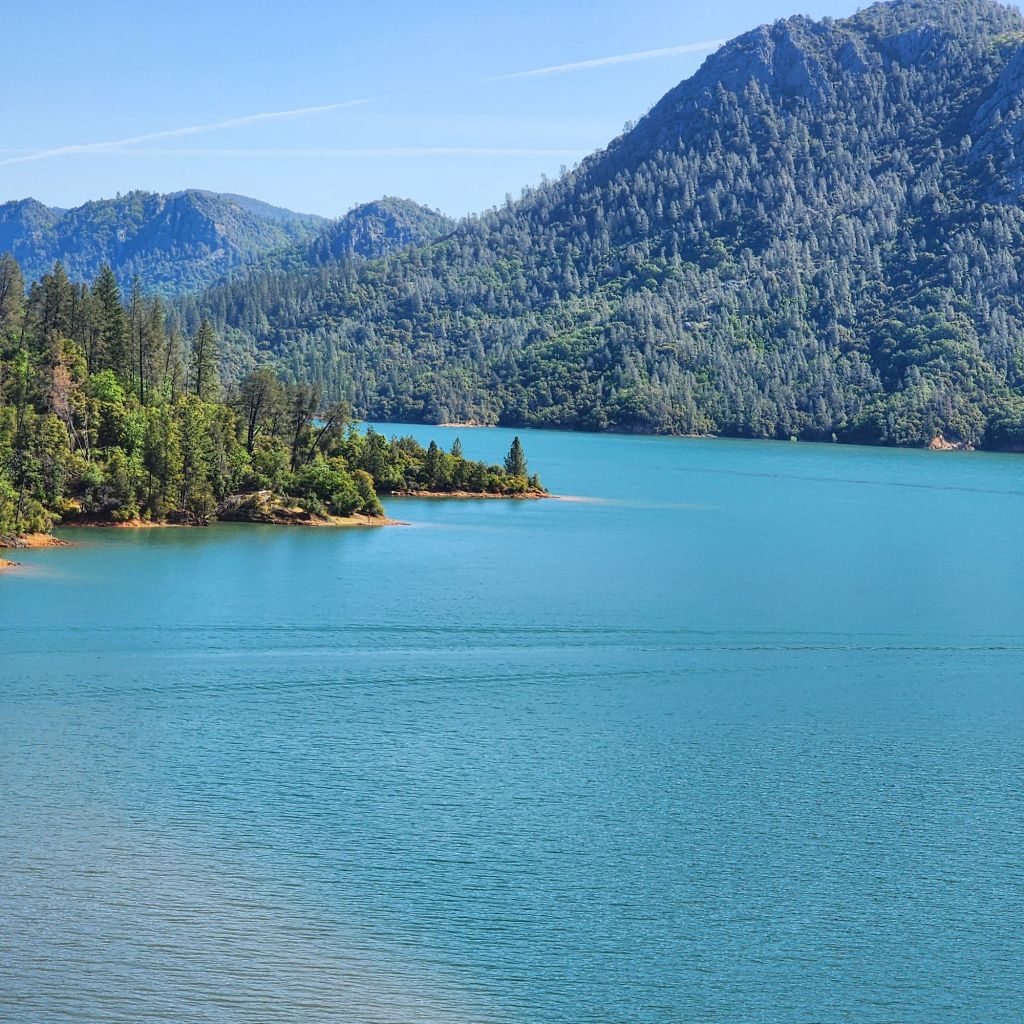
We passed very close to Mount Shasta, the southern most of a string of dormant volcanic mountains running from California north through Oregon and Washington into Canada. We continued along the coastline of Shasta Lake which was quite large at the base of the mountain.
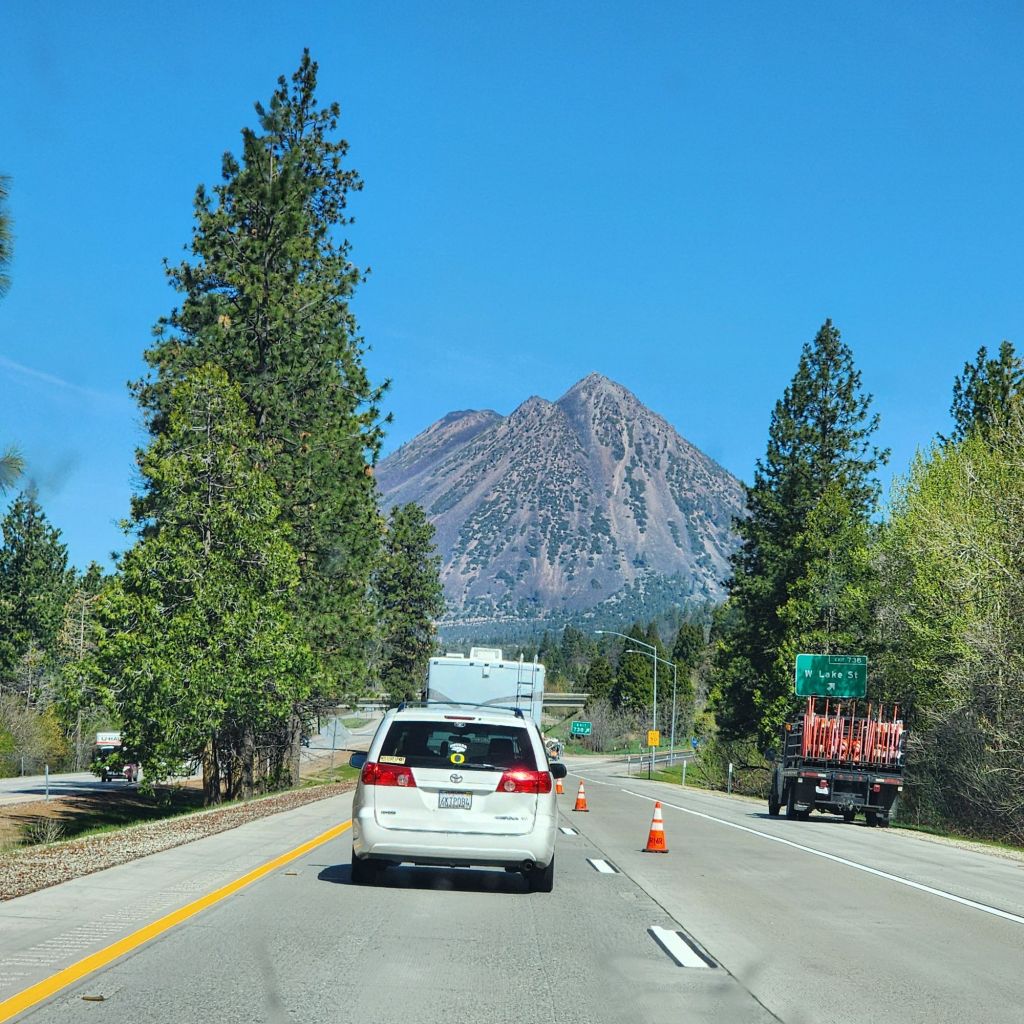
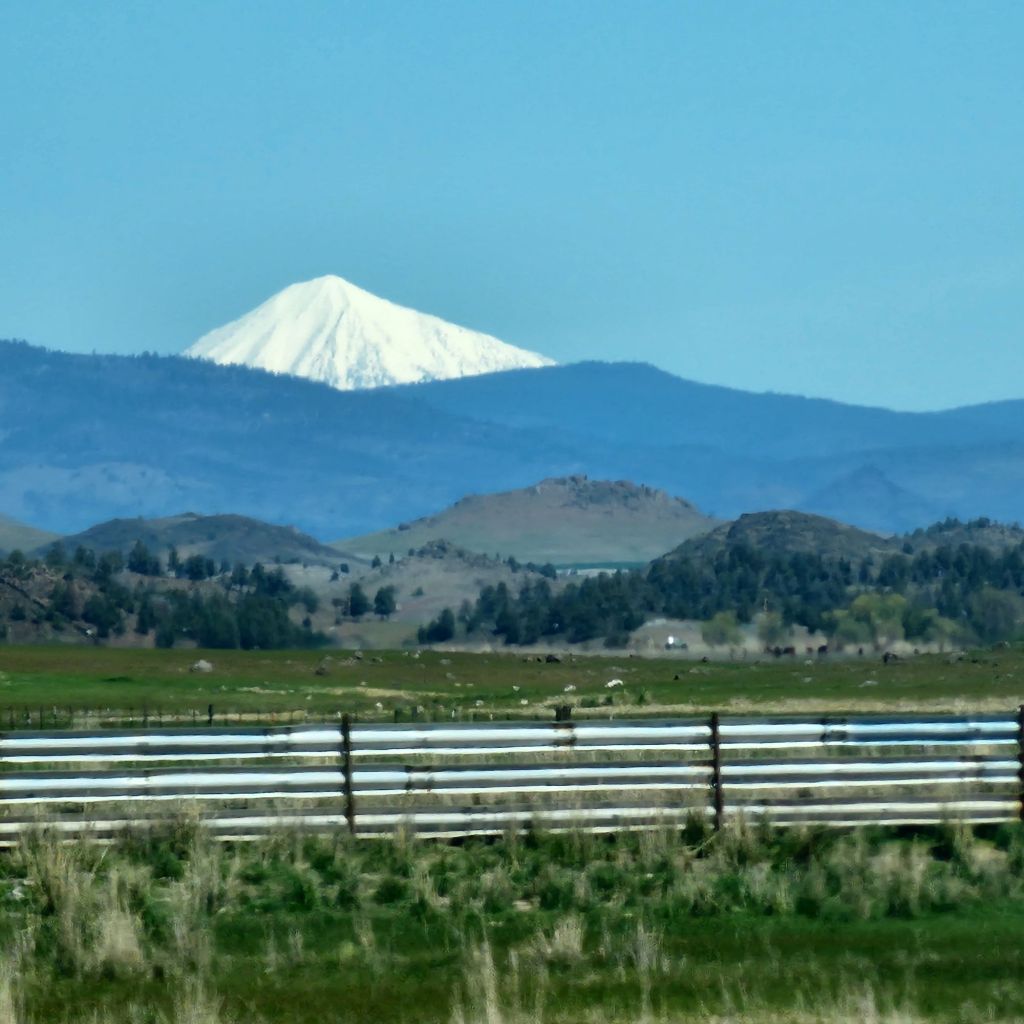
Right after passing Mount Shasta we began to see Mount McLoughlin peaking up over the mountain Range.
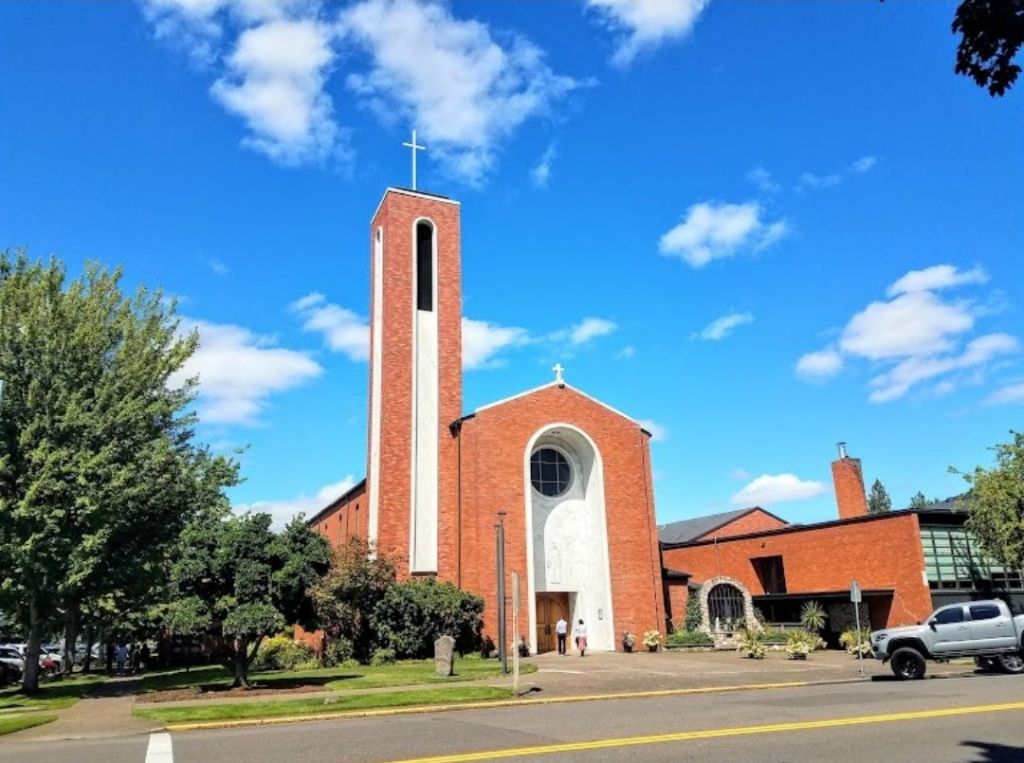
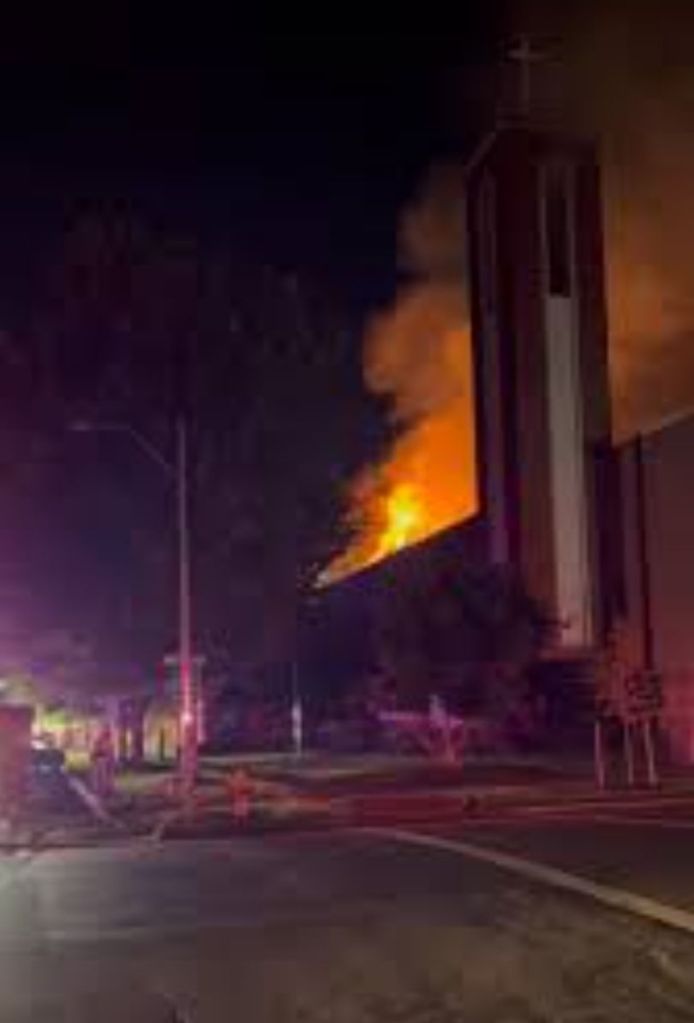
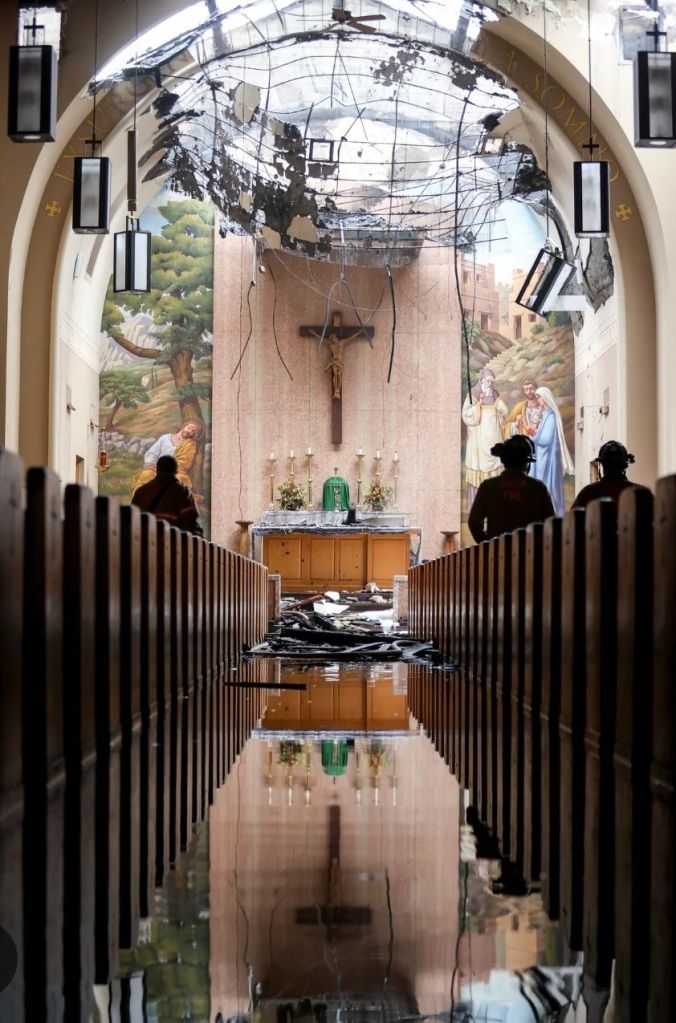
We arrived in Salem in time to get to the second day of the Tritium at Saint Joseph’s Parish in downtown Salem. This is a beautiful church that unfortunately suffered a major fire in 2023 due to arson. The arsonist was caught and sentenced and the church is being restored. As a result, the service was held in the gymnasium, but it had been converted into the main church facility in an extraordinary fashion. Good Friday is the day commemorating Christ’s passion and death. As a result, it is the only day in the year that a Catholic Mass is not celebrated. Instead, the Tritium service continues with the reading of the Passion of our Lord from the Gospel, veneration of the Cross on which our Lord sacrificed himself for our sins, and then a communion service which had been consecrated the day before. This service has no formal beginning or end since it is the middle of the the three parts of the Tritium. The priest enters in silence and prostrates in front of the altar. The sense of silence reflects the solemnity of the day in it’s sadness. At the end, the priest exits in silence.
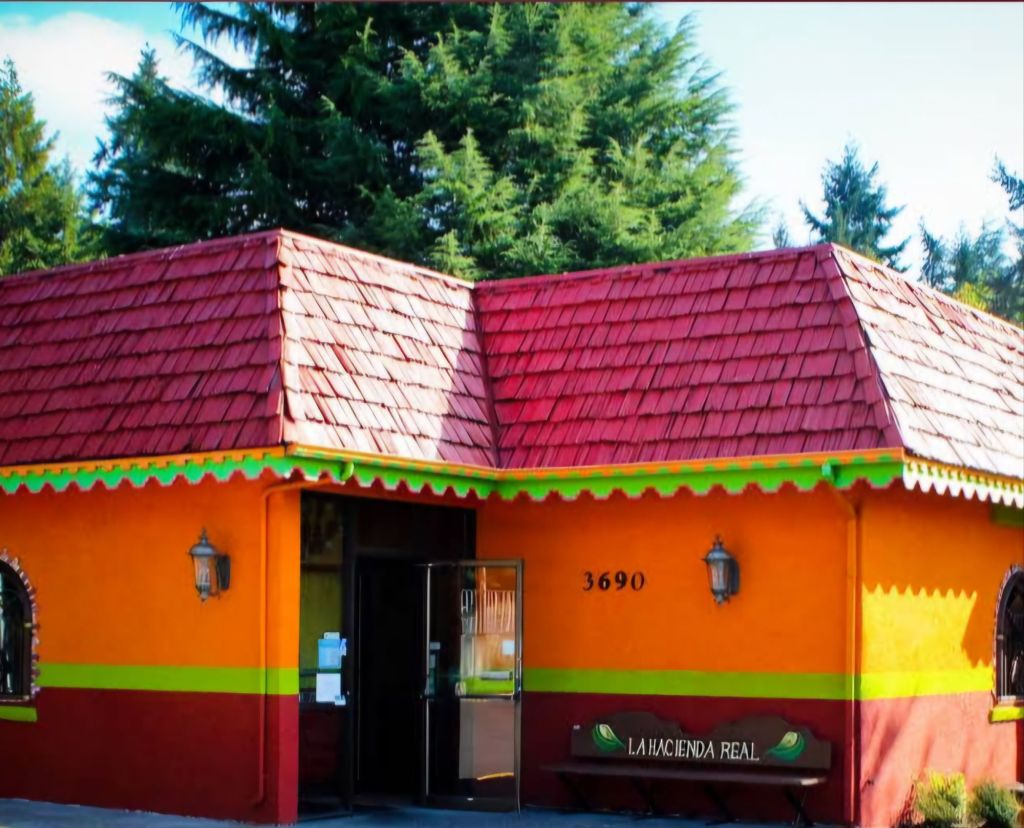
After the Good Friday service we met our daughter, Emily, for dinner at the La Hacienda Real Mexican restaurant for some good Mexican seafood. Emily recently left us to move to Oregon and it was wonderful to see her again.






























 This Adventure Called Retirement